
How to Explain Matcha Grades to Your Customers
Wakokoro TeaShare
Few questions stump a café team quite like "What's the difference between these matchas?" A customer points to the menu, sees a price gap, and wants to know why one green powder costs twice as much as another. For many baristas, this is a moment of quiet panic. But it doesn't have to be. With a little background and a few well-chosen phrases, explaining matcha grades can become one of the most satisfying parts of serving tea — a chance to share genuine craft and help customers choose what's right for them.
This guide is designed to give your team the confidence to talk about matcha clearly and accurately. No jargon, no overclaiming — just simple language that respects both the product and the person asking.
Why Matcha Grades Matter in the First Place
Matcha (finely stone-ground green tea powder) is not a single product. It exists on a spectrum of quality shaped by the leaves used, how they were grown, when they were harvested, and how they were processed. The word "grade" is a helpful shorthand, but it's worth remembering that there is no official, government-regulated grading system for matcha. Terms like "ceremonial" and "culinary" are industry conventions rather than legal categories.
This is actually useful context for your customers. It explains why the same word can mean slightly different things from one supplier to another, and why trusting your source matters so much. When you source carefully — as we do at Wakokoro Tea — the grade on the label reflects real differences in the cup.
Ceremonial vs Culinary: The Core Distinction
The simplest way to frame matcha for a customer is to divide it into two broad purposes: matcha meant to be whisked and sipped on its own, and matcha meant to be blended into other things. Here's how to describe each in plain terms.
Ceremonial Grade
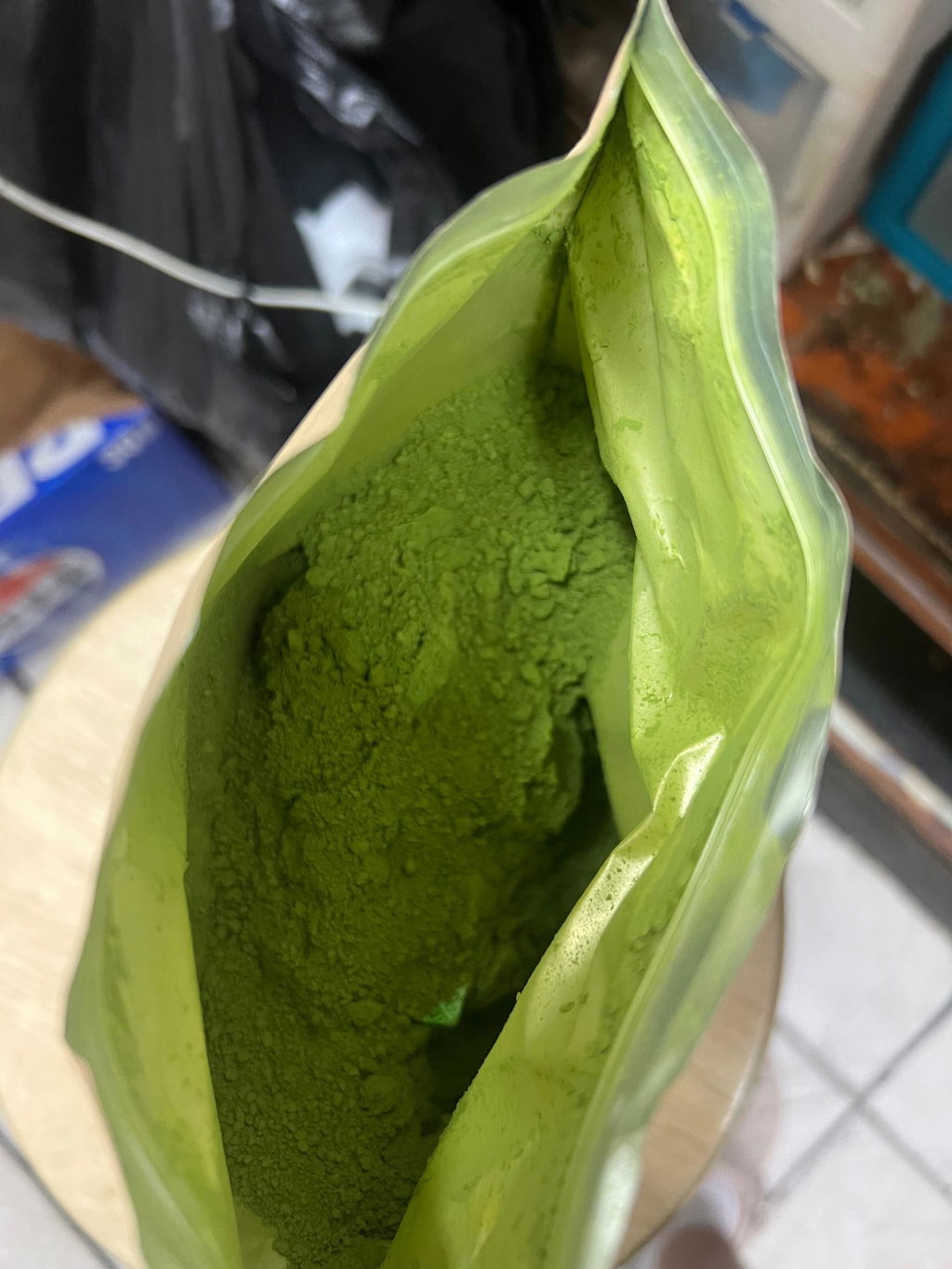
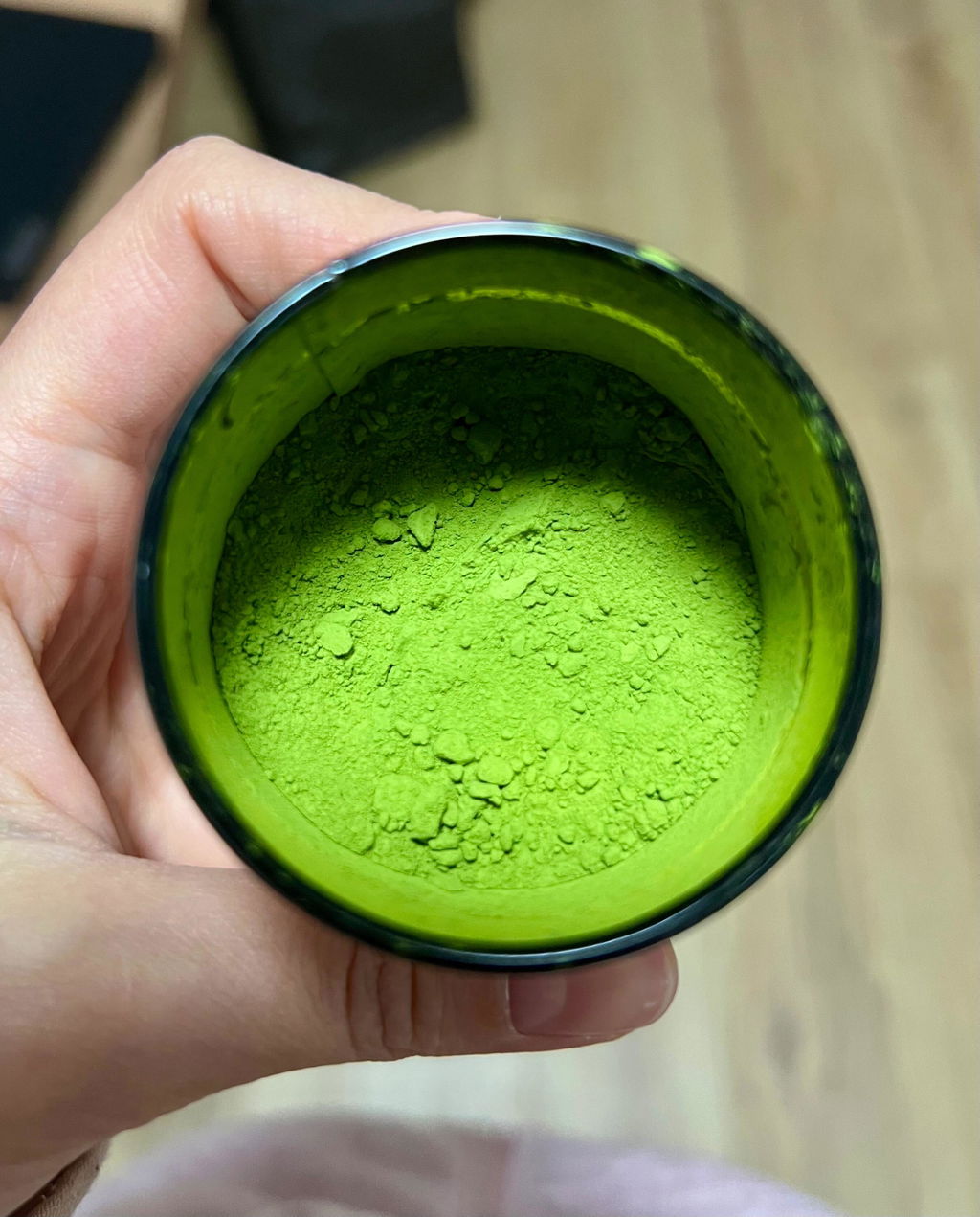
Ceremonial-grade matcha is made from the youngest, most tender leaves of the spring harvest. These leaves are shade-grown for several weeks before picking, which encourages a sweeter, smoother flavour and a vivid green colour. The result is a matcha delicate enough to enjoy simply with hot water, whisked into a frothy bowl.
A barista might say:
- "This one is smooth and naturally sweet — it's made for drinking on its own, just with water."
- "It has a vibrant green colour and a gentle, mellow taste without much bitterness."
- "If you want to taste matcha at its finest, this is the one to try straight."
Culinary Grade
Culinary-grade matcha is made to stand up to other ingredients. It often comes from slightly later harvests or more mature leaves, giving it a bolder, more robust flavour. That stronger character is a feature, not a flaw — it means the matcha flavour still shines through milk, sugar, or baking.
Helpful phrases include:
- "This one is stronger and a little more bitter, which is perfect for lattes and baking."
- "We use it in our drinks because the matcha flavour holds up beautifully against milk."
- "If you love a bold matcha latte, this is the grade behind it."
A gentle reminder for your team: "culinary" does not mean "low quality." A well-made culinary matcha is still carefully produced. The difference is purpose, not worth.
How Origin Shapes Flavour
Customers who are curious about matcha often enjoy learning where it comes from. Japan has several celebrated tea-growing regions, each with its own character, much like wine regions or coffee origins.
A Few Regions Worth Knowing
- Uji (near Kyoto): One of the oldest and most prestigious matcha regions, known for refined, well-balanced teas with deep history.
- Nishio (Aichi Prefecture): A major matcha-producing area recognised for consistent, approachable flavour.
- Kagoshima (southern Kyushu): A warmer climate region producing vivid, fresh-tasting teas, often with earlier harvests.
You don't need to recite a geography lesson at the counter. A simple line works well: "This matcha comes from Uji, one of Japan's most respected tea regions — it's known for a really balanced, refined flavour." Origin gives customers a sense of place and craftsmanship, and it makes the product feel like what it truly is: an agricultural product shaped by soil, climate, and generations of skill.
Why the Price Differs So Much
This is the question customers most often ask, and it deserves an honest, confident answer. Price in matcha reflects a chain of decisions and labour that most people never see. Here are the key factors, explained simply enough to pass along.
1. Harvest Timing
The first spring harvest (ichibancha, meaning "first-picked tea") produces the most tender, flavourful, and expensive leaves. Later harvests yield more robust leaves at a lower cost. Earlier generally means pricier.
2. Shading
Covering the tea plants from sunlight for weeks before harvest is labour-intensive and reduces yield, but it's what gives premium matcha its sweetness and colour. More careful shading usually means a higher price.
3. Leaf Selection and Processing
For top grades, stems and veins are meticulously removed, leaving only the softest leaf flesh. The finest matcha is traditionally ground slowly on granite stone mills — a process that can take an hour to produce just a small amount of powder.
4. Grade and Intended Use
Because ceremonial grades demand the youngest leaves and the most careful handling, they naturally cost more than culinary grades made for blending.
A tidy way to summarise all of this for a customer: "The price mostly comes down to how early the leaves were picked, how carefully they were grown and ground, and whether it's meant for sipping or mixing. The smoother, sweeter matchas take a lot more work to produce."
Talking About Caffeine and Wellbeing — Carefully
Customers frequently ask about caffeine or the calming reputation of matcha. Here, accuracy and restraint matter. Matcha does contain caffeine, and it's traditionally associated with a focused, steady kind of alertness. It also contains L-theanine, an amino acid that many people find contributes to a sense of calm. Some research suggests these compounds may work together, though it's best to speak generally rather than make firm promises.
Safe, honest phrasing might be:
- "Matcha is often said to give a calmer, steadier energy than coffee — a lot of our customers enjoy it for that reason."
- "It naturally contains caffeine, and many people find it feels gentler on them."
Avoid stating medical benefits as fact. A thoughtful, measured answer actually builds more trust than overselling.
Putting It All Together at the Counter
When a customer asks about your matcha, you don't need a script — just a simple structure. Try moving through three quick ideas:
- Purpose: Is it for sipping (ceremonial) or mixing (culinary)?
- Character: Smooth and sweet, or bold and robust?
- Story: Where it's from and why it's priced the way it is.
For example: "This is a ceremonial matcha from Uji — smooth, naturally sweet, and lovely on its own. It costs a bit more because it's made from the youngest spring leaves and stone-ground slowly. Our latte uses a bolder culinary grade so the flavour really comes through the milk." In three sentences, you've educated, reassured, and guided the customer toward a confident choice.
Serve Knowledge with Every Cup
The more your team understands matcha, the more your customers will trust your café — and the more they'll explore beyond their usual order. If you'd like to build your menu around matcha your staff can describe with pride, the team at Wakokoro Tea is always glad to help you find the right grades for sipping, lattes, and baking, sourced directly from Japan's finest tea gardens. Reach out whenever you're ready to taste the difference for yourself.