
First Harvest Matcha: Why It Commands a Premium
Wakokoro TeaShare
Every spring, across the tea-growing regions of Japan, farmers watch the weather with quiet anticipation. After months of dormancy through the cold winter, the tea plants awaken and push out their first tender shoots of the year. These delicate young leaves — soft, fragrant, and full of stored energy — become the foundation of the most treasured matcha of the season. This is ichibancha (first harvest tea), and understanding it is one of the most rewarding steps in appreciating Japanese green tea.
If you have ever wondered why some matcha carries a noticeably higher price than others, or why words like "first flush" and "spring harvest" appear so prominently on premium tins, the answer lies in the story of ichibancha. Let's explore what makes this harvest so special, and why it consistently commands a premium among discerning drinkers, cafe owners, and wholesale buyers alike.
What Is Ichibancha?
In Japanese tea cultivation, the growing season is divided into several harvests, or bancha cycles. The word simply refers to the order in which leaves are picked throughout the year:
- Ichibancha (first harvest) — picked in spring, typically from late April to early May
- Nibancha (second harvest) — picked in early summer, roughly June to July
- Sanbancha (third harvest) — picked in later summer
- Yonbancha (fourth harvest) — picked in autumn, less common for premium tea
Of these, ichibancha is the most prized. The very first shoots of the year benefit from a long, slow winter during which the tea plant stores nutrients in its roots. When spring arrives and growth resumes, all of that accumulated energy flows into the new leaves. The result is a harvest of exceptional concentration, tenderness, and flavor that later pickings simply cannot match.
Why Timing Is Everything
The precise timing of the first harvest is a matter of both tradition and skill. Farmers do not pick by the calendar alone — they read the plants, the temperature, and the pace of new growth. Harvest a few days too early and the leaves may lack fullness; wait too long and the tender character begins to fade as the leaves mature and toughen.
The role of the spring climate
Spring in Japan offers ideal conditions for tea. Cool mornings, gradually warming days, and gentle rainfall encourage steady, unhurried growth. This slow development is key. Leaves that grow slowly tend to accumulate more of the compounds associated with sweetness and depth, while retaining a soft, supple texture. In contrast, the summer harvests grow more quickly under intense heat, producing leaves that are often more astringent and less refined.
A once-a-year window
Because ichibancha can only be picked during a short window each spring, supply is naturally limited. A tea garden yields only so many young shoots in that first flush, and once they are gone, growers must wait a full year for the next opportunity. This scarcity is a genuine reflection of nature's calendar rather than artificial exclusivity — one of the honest reasons behind the premium.
The Cultivation Behind Premium Matcha
Matcha is not simply green tea ground into powder. The finest matcha begins with tencha (the shade-grown leaf that is later stone-milled into matcha), and its cultivation involves an extra layer of care that further explains the value of first harvest material.
Shading the plants
In the weeks leading up to harvest, tea plants destined for matcha are covered with shading structures that block much of the direct sunlight. This traditional practice, known as ooishita saibai (covered cultivation), slows photosynthesis and encourages the leaves to develop a deeper green color and a rounder, more mellow flavor profile. Shading is labor-intensive and requires careful monitoring, and when applied to already-precious ichibancha leaves, it elevates the final matcha even further.
Hand-selection and processing
The highest grades of first harvest matcha often involve meticulous sorting to remove stems and veins, leaving only the tenderest leaf flesh. This tencha is then stone-milled slowly — often just tens of grams per hour — to preserve aroma and produce an ultra-fine powder. Each of these steps adds time, expertise, and cost, but they are what transform a good leaf into an exceptional cup.
What First Harvest Means for Flavor
For most people, the true justification for the premium becomes clear the moment they taste it. First harvest matcha offers a distinctive sensory experience that reflects everything happening in the field.
Umami and natural sweetness
One of the most celebrated qualities of ichibancha is its umami (a savory depth of flavor) and gentle natural sweetness. These characteristics are often associated with amino acids such as L-theanine, which are typically more abundant in slow-grown, shaded spring leaves. Many people find that high-quality first harvest matcha tastes smooth and rounded, with far less bitterness than later harvests.
Color and aroma
First harvest matcha is prized for its vivid, jewel-like green color — a visual signal of freshness and careful shading. The aroma tends to be fresh and slightly sweet, sometimes described as reminiscent of spring greenery. When whisked, premium ichibancha produces a fine, creamy foam that speaks to the quality of the milling.
A smoother, more balanced cup
Because the young spring leaves carry less of the compounds that create harshness, the overall experience is gentler on the palate. This balance makes first harvest matcha especially rewarding when enjoyed usucha (thin, whisked matcha) style, where there is nowhere for imperfections to hide.
Why It Matters for Cafe Owners and Buyers
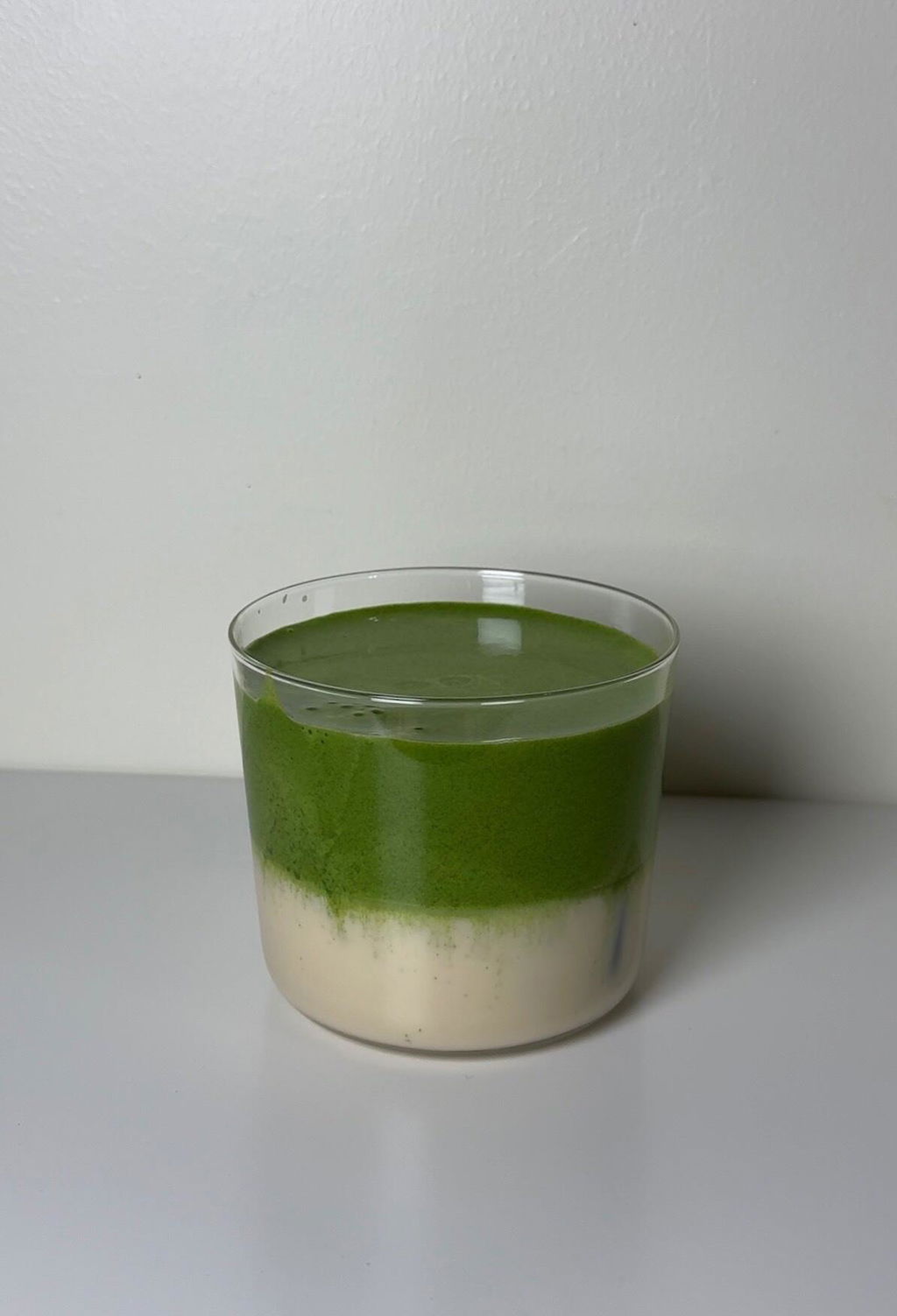
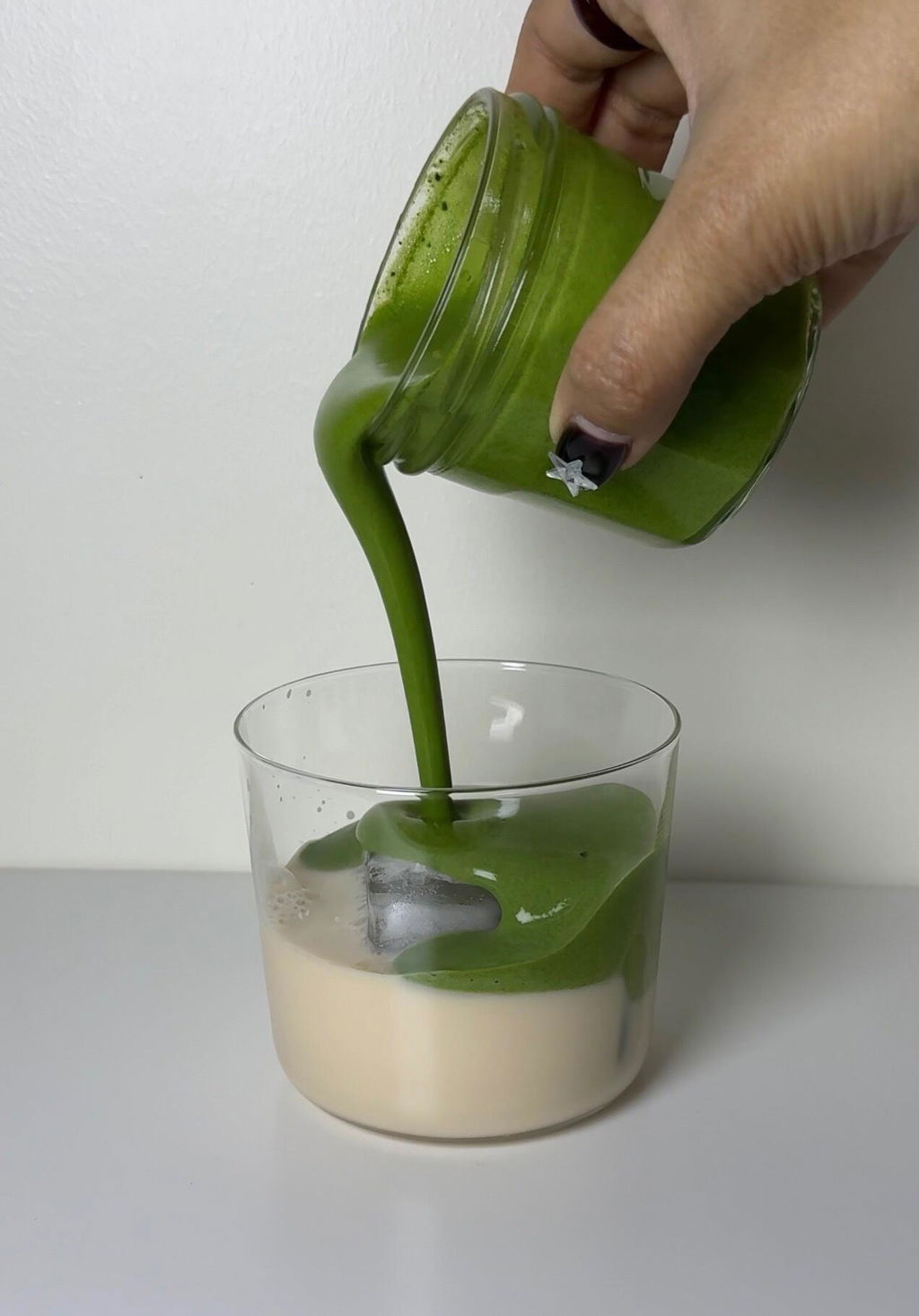
For those sourcing matcha professionally, understanding the harvest is essential to making confident decisions. First harvest grades are ideal for ceremonial preparation and premium menu offerings, where flavor clarity and visual appeal directly shape the customer experience. Later harvests, meanwhile, have their own place — they are often more robust and well-suited to lattes, baking, and culinary applications where the matcha is combined with milk or other ingredients.
Knowing the difference allows buyers to match the right grade to the right use, control costs intelligently, and communicate value honestly to their own customers. A cafe that can explain why its ceremonial matcha comes from the spring first harvest offers something meaningful: a story rooted in seasonality and craftsmanship.
Appreciating the Value Behind the Price
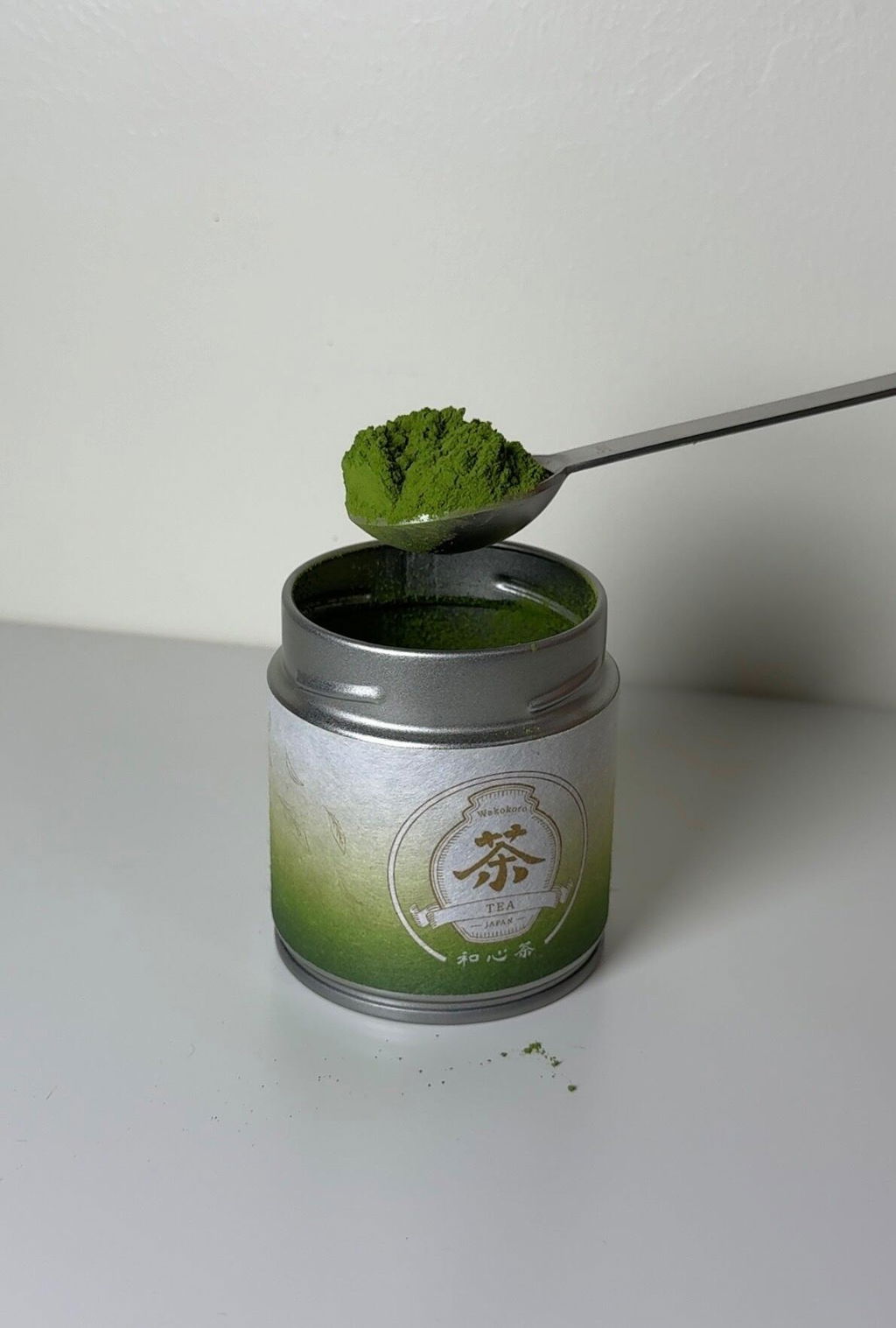
When you consider everything that goes into a tin of first harvest matcha — the year-long wait, the narrow picking window, the intensive shading, the careful hand-sorting, and the slow stone-milling — the premium begins to feel less like a markup and more like a reflection of genuine value. You are, in a sense, tasting an entire season captured at its peak.
This is the essence of what makes Japanese tea culture so rich: an unwavering commitment to doing things properly, in harmony with nature's rhythm, in pursuit of quality that can be tasted rather than merely claimed.
At Wakokoro Tea, we take great care to source first harvest matcha that honors this tradition, working closely with dedicated growers who pour their expertise into every spring picking. If you would like to experience the depth, sweetness, and vivid color of true ichibancha — or discuss which grade best suits your cafe or wholesale needs — we warmly invite you to reach out to our team and let us guide you to the perfect match.