
Why Matcha Quality Matters for Cafe Drinks
Wakokoro TeaShare
Walk into any busy cafe and you will likely find matcha somewhere on the menu — a vivid green latte, a frothy iced drink, perhaps a dusting over a pastry. But anyone who has made matcha drinks professionally knows a quiet truth: two powders that look nearly identical in the tin can behave completely differently in the cup. One blooms into a smooth, lasting green with a sweet, grassy depth. The other turns dull, separates into gritty clumps, and leaves a flat, bitter aftertaste the moment it touches milk.
For a cafe, that difference is not academic. It affects consistency, waste, customer loyalty, and ultimately your reputation. Understanding why matcha quality matters — and specifically how flavor, color, and solubility respond to the demands of cafe service — is one of the most valuable things a buyer or owner can learn. Let's unpack what actually happens when matcha meets milk, ice, and steam.
What Makes Matcha Different From Other Teas
Before we talk performance, it helps to understand what matcha (finely stone-ground green tea leaves) actually is. Unlike loose-leaf tea, which is steeped and strained, matcha is the whole leaf suspended in liquid. You are drinking the leaf itself. That means every characteristic of the leaf — its sweetness or bitterness, its color, its texture — ends up directly in the cup with nothing filtered out.
Quality matcha begins in the field. The tea plants are shaded (a process called ooishita saibai, or covered cultivation) for several weeks before harvest. Shading slows the plant's growth and is traditionally associated with a richer concentration of amino acids, which many people find gives high-grade matcha its signature savory sweetness, often described as umami (a deep, savory taste). The leaves are then carefully steamed, dried, de-veined into a form called tencha, and finally stone-ground into powder.
Every step influences how the final powder performs. Lower-grade matcha is often made from later harvests, less careful shading, or coarser grinding — and those shortcuts reveal themselves most clearly once the powder is put to work in a cafe setting.
Flavor Stability in Milk: The Real Test
The matcha latte is the backbone of most cafe matcha menus, and it is also the most demanding application. Milk is not a neutral background. Its fats, proteins, and natural sweetness interact with the compounds in matcha, and a lower-quality powder simply cannot hold its own.
Why cheaper matcha tastes bitter in milk
Matcha contains catechins, compounds traditionally associated with the plant's natural bitterness and astringency. In a well-crafted matcha, those catechins are balanced by amino acids and natural sweetness, creating a rounded flavor. In lower grades — often from leaves grown with less shading — bitterness dominates. When you add milk, that bitterness does not disappear; it competes with the dairy and frequently wins, producing a sharp, vegetal edge that baristas end up masking with extra sweetener.
This is why some cafes mistakenly believe matcha "needs" lots of sugar or syrup. In reality, a high-grade matcha carries enough natural sweetness and body to shine through milk with only a light touch of sweetener — or none at all. That restraint lets the true character of the tea come forward.
Flavor that lasts from first sip to last
Flavor stability also matters over time. A quality matcha latte should taste consistent from the top of the cup to the bottom, and should hold up even as the drink cools or an iced version sits on a table. Lesser powders tend to "fall apart" — the flavor flattens, separation begins, and the drink develops a stale, hay-like note. For a cafe serving dozens of drinks an hour, that inconsistency is a liability.
Color: The Promise Your Customer Sees First
Customers often decide whether they will enjoy a matcha drink before they taste it. Color is the first signal, and it is one of the most reliable visual indicators of quality.
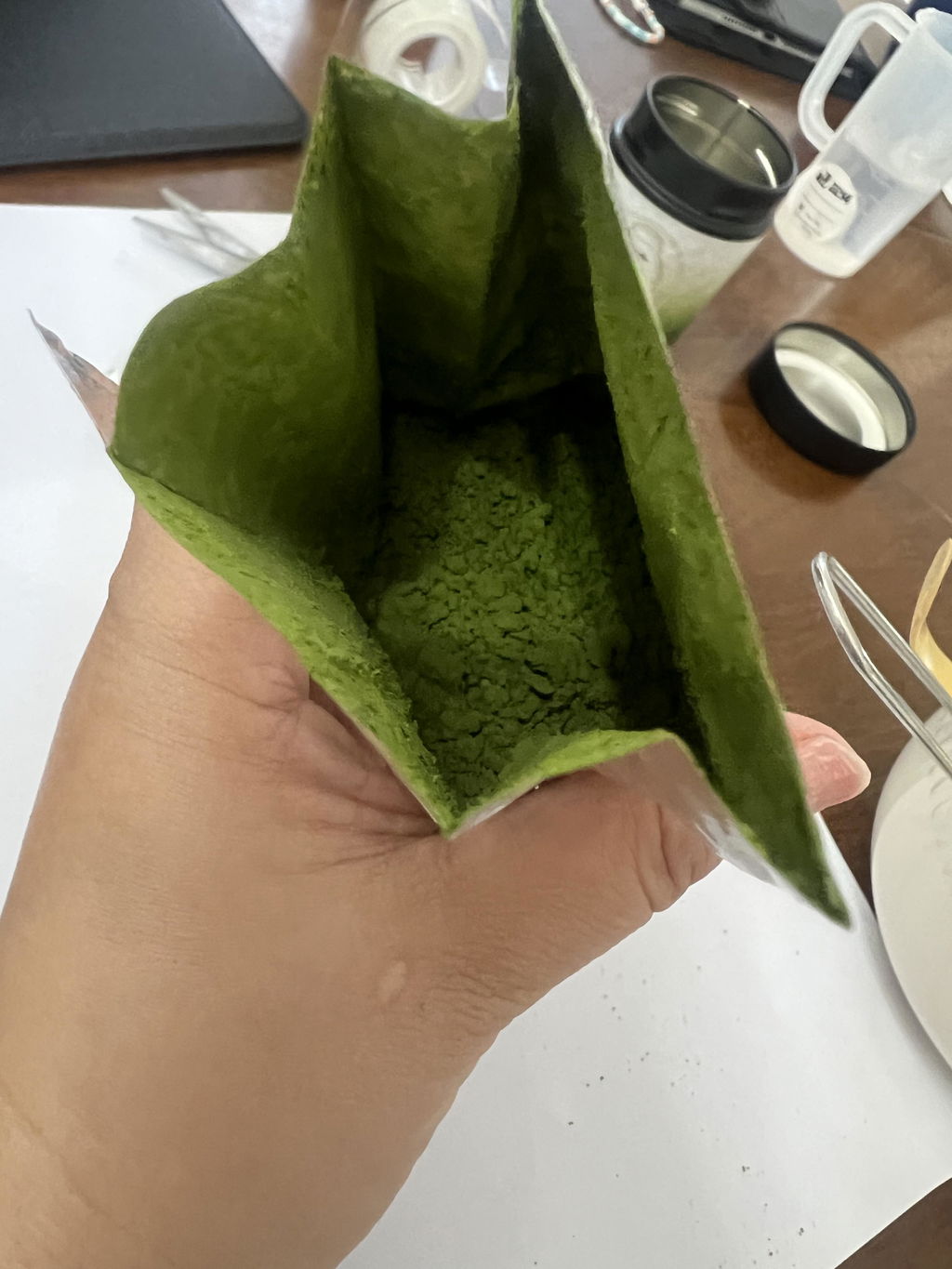
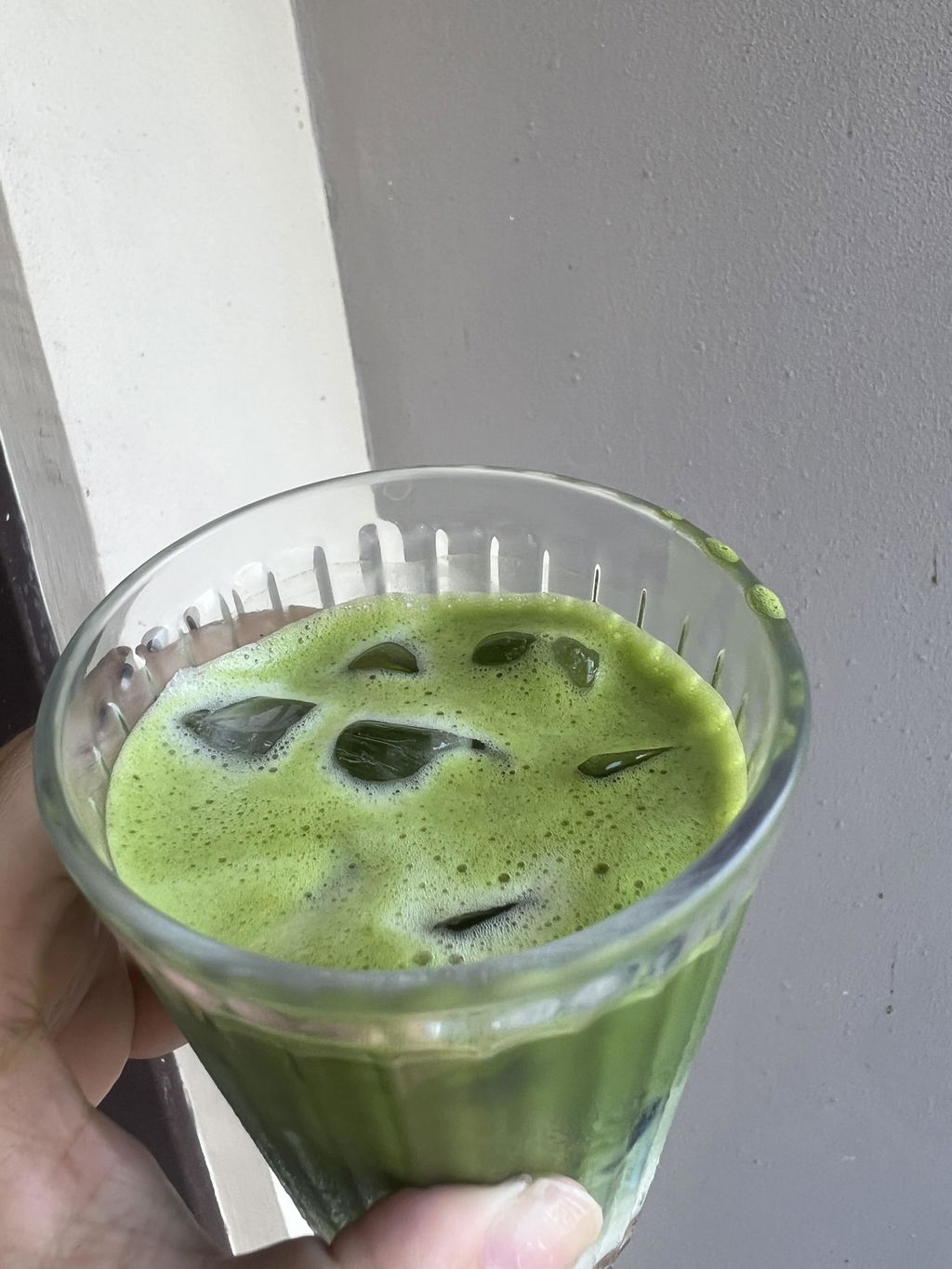
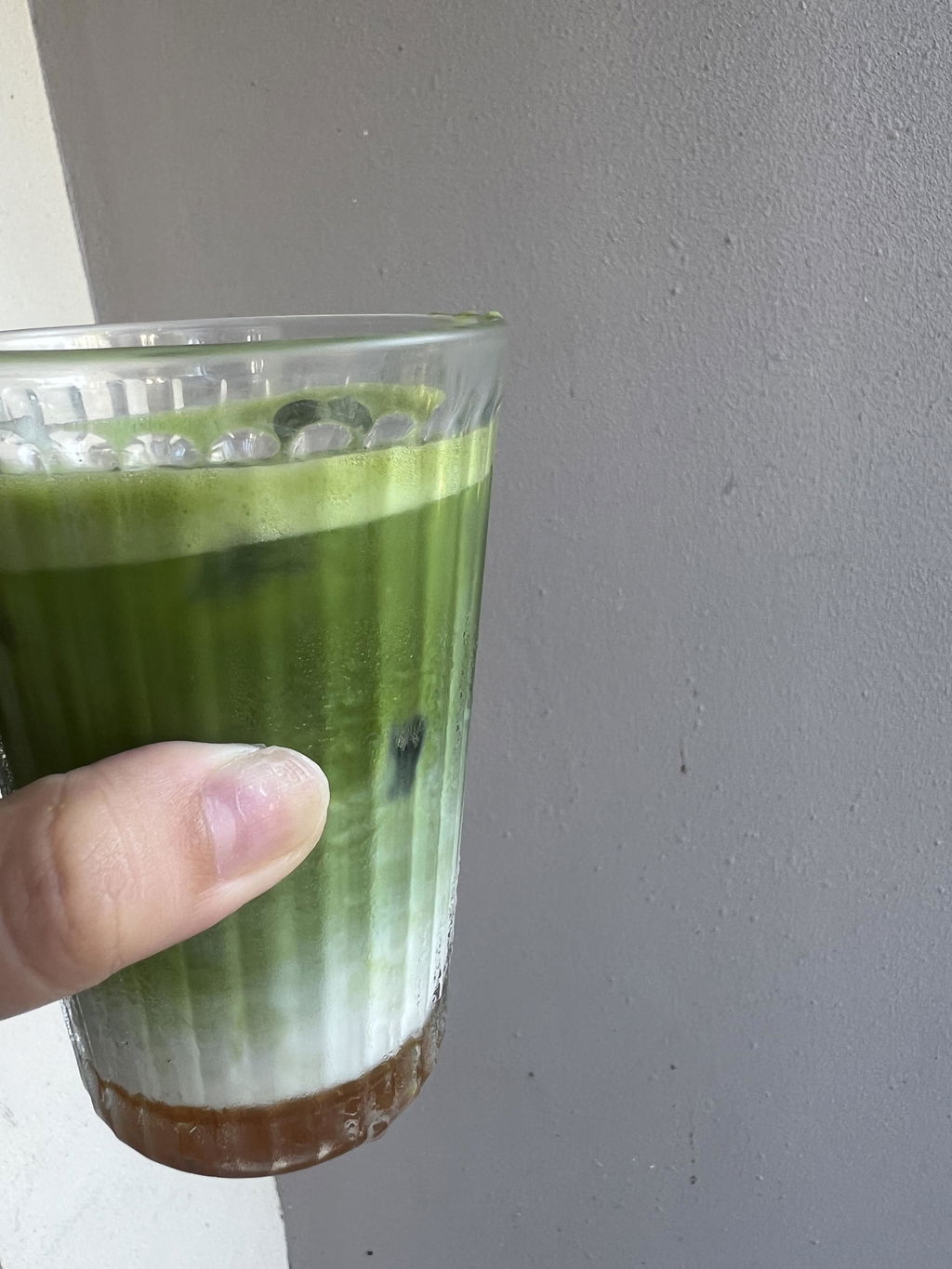
High-grade matcha has a vivid, almost luminous jade green, a direct result of careful shading that boosts chlorophyll in the leaf. Lower grades skew yellowish, olive, or dull brown — a sign of more mature leaves, oxidation, or improper storage. In a glass, that difference is dramatic.
- In a latte: A vibrant matcha produces that sought-after soft green when combined with milk. A dull powder turns a muddy, unappetizing khaki that no amount of presentation can rescue.
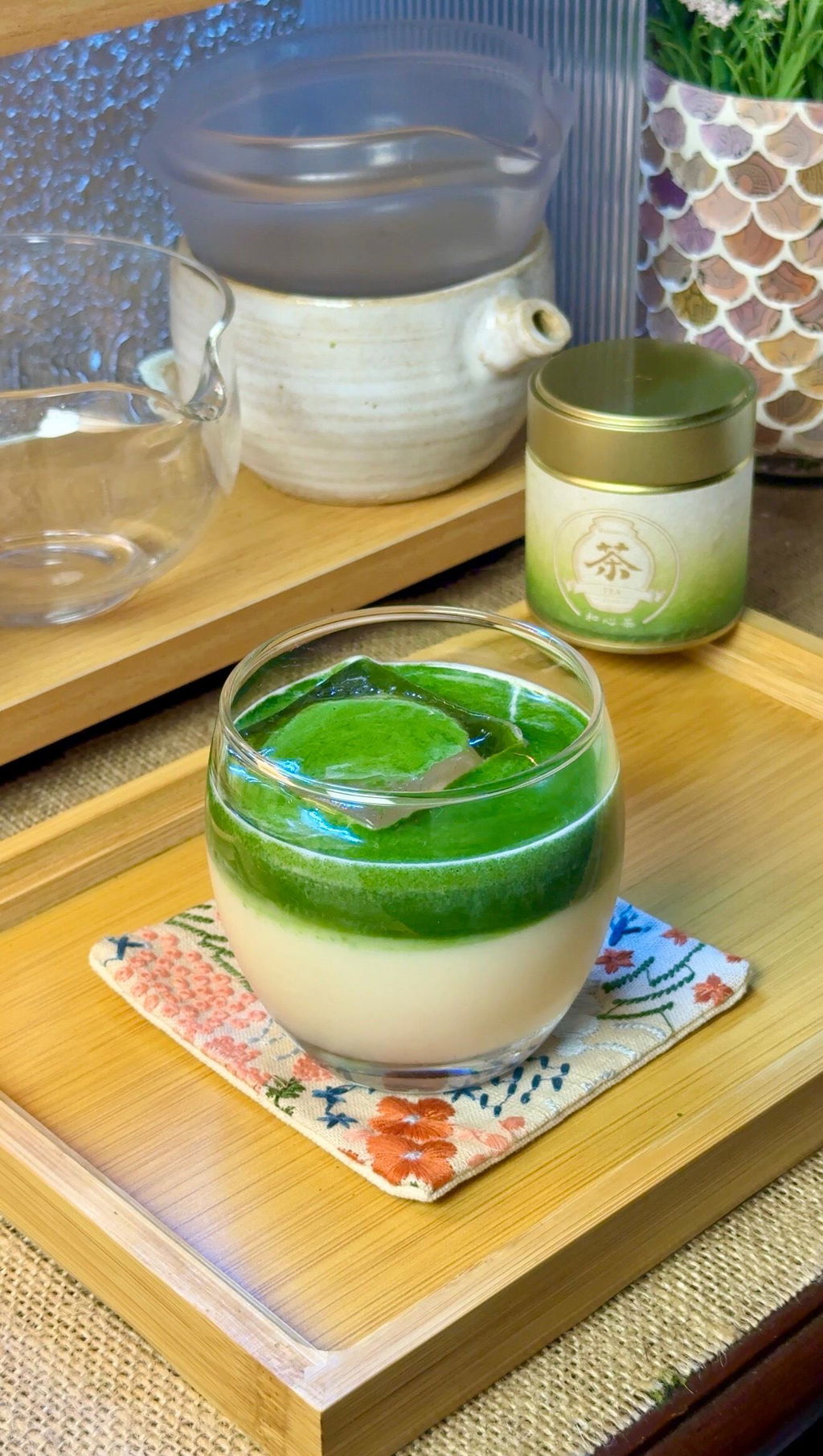
- In iced drinks: Layered iced matcha lattes, where green meets white milk, live or die by color contrast. Only a bright, true-green powder delivers that striking visual appeal.
- Over time: Quality matcha holds its color longer in the cup, while inferior powder can gray and separate quickly.
In the age of social media, where customers photograph their drinks before tasting them, color is not vanity — it is marketing. A beautiful green cup sells the next one.
Solubility: Why Smoothness Isn't Luck
Nothing frustrates a barista more than matcha that clumps. Those stubborn little lumps are not simply a mixing problem; they are frequently a quality problem.
The role of grind and particle size
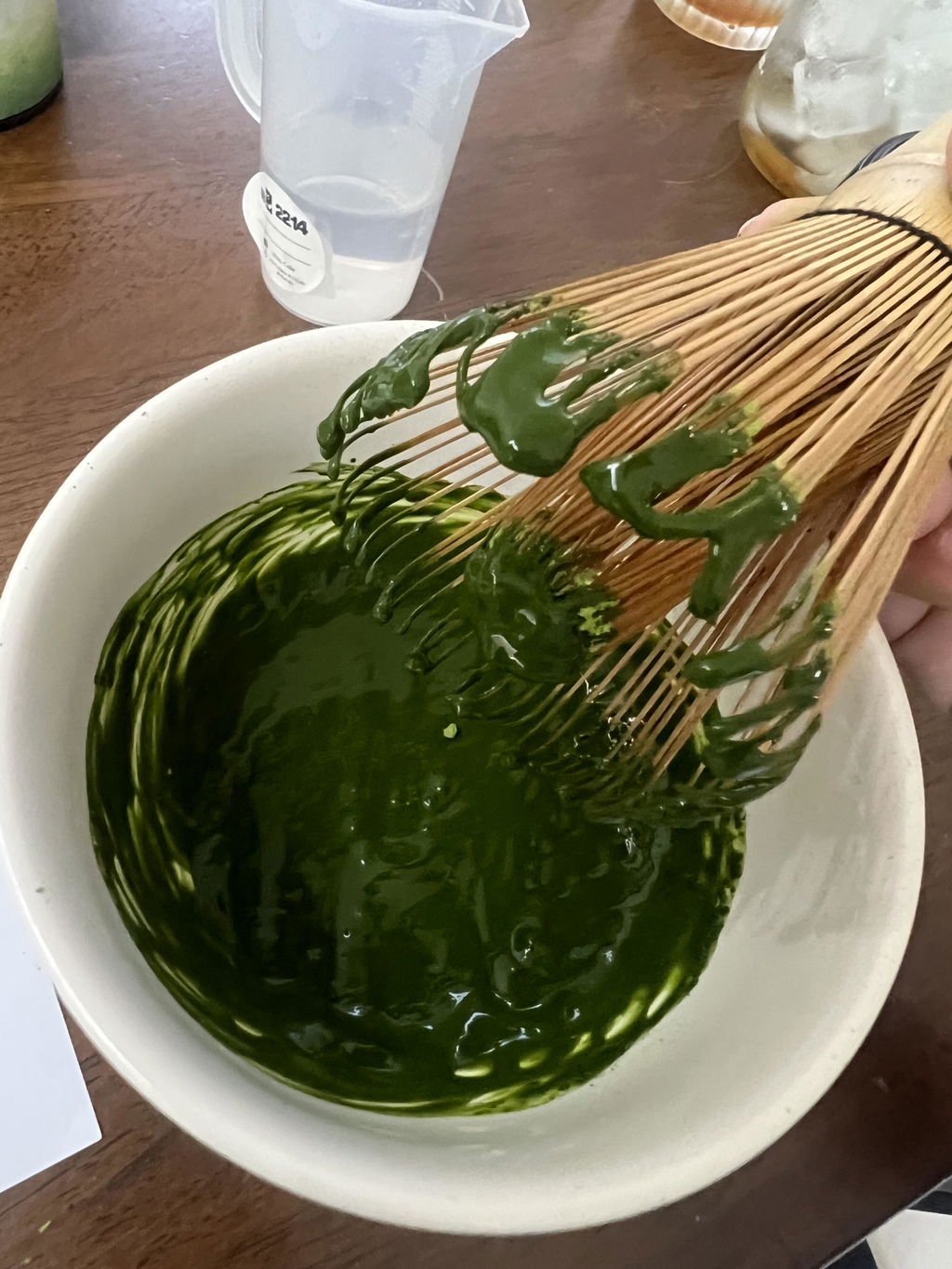
Authentic matcha is stone-ground slowly, often producing particles only a few microns across. This fine, uniform texture is what allows the powder to suspend smoothly in liquid. Cheaper powders ground by faster mechanical methods tend to have larger, irregular particles that resist blending, settle quickly, and leave grit at the bottom of the cup.
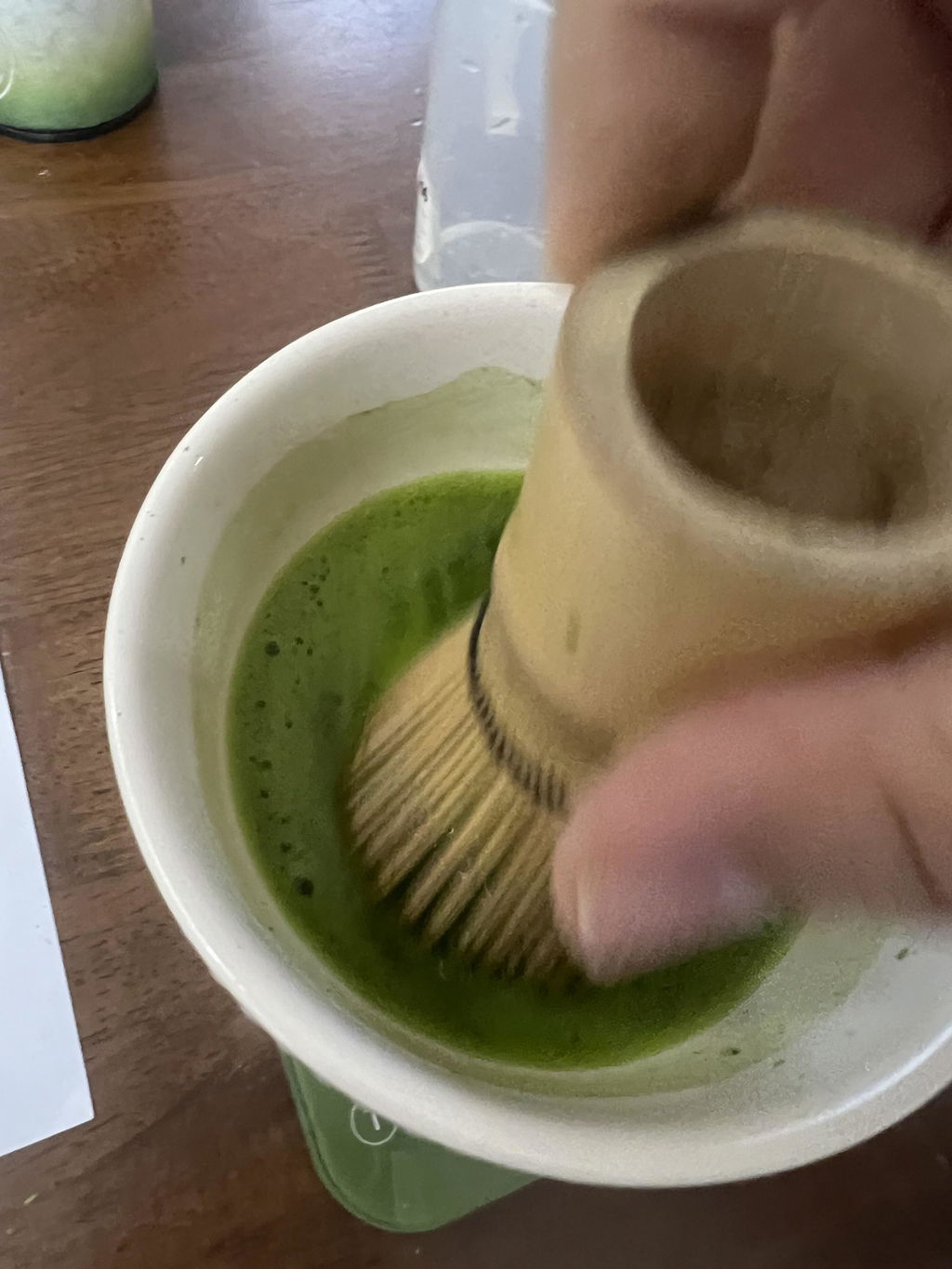
For a cafe, solubility translates directly into speed and consistency. A powder that whisks or blends cleanly in seconds keeps your service moving and your drinks uniform. One that fights you wastes time, generates waste, and produces an inconsistent product from one barista to the next.
Suspension in cold drinks
Cold water and ice make solubility even more challenging, which is why iced matcha is such a revealing test. A quality matcha can be shaken or blended into cold milk or water and stay suspended beautifully. Lower grades sink and separate almost immediately, forcing frequent re-stirring and disappointing the customer halfway through their drink.
Choosing the Right Matcha for Your Cafe
Understanding these performance factors makes sourcing far more confident. Here are practical considerations when evaluating matcha for your menu:
- Match the grade to the use. Ceremonial-style grades are prized for drinking straight, but a well-made culinary or latte grade is often engineered specifically to stand up to milk and ice. The "highest" grade is not always the right grade for a latte.
- Test it in your actual drinks. Always sample matcha the way you will serve it — in your milk, at your temperatures, with your equipment. A powder that excels whisked with water may behave differently in a steamed latte.
- Prioritize consistency. A reliable supplier delivers the same color, flavor, and solubility batch after batch, so your menu stays dependable.
- Mind the freshness and storage. Matcha is delicate and loses color and flavor with exposure to light, heat, and air. Proper packaging and turnover matter enormously.
Quality Is an Investment, Not an Expense
It can be tempting to view matcha purely as a cost line, choosing the cheapest option that technically works. But in practice, higher-quality matcha often proves more economical. Because its flavor is concentrated and balanced, you may use less per drink and rely on less sweetener to mask imperfections. Fewer clumps mean less waste. And most importantly, a genuinely delicious, beautiful matcha drink is one customers come back for — and talk about.
Matcha is the product of centuries of Japanese agricultural craft, refined by generations of growers who understood that every stage, from shading to grinding, shapes the final cup. Honoring that craft in your cafe is not only a mark of respect for the tradition; it is simply good business.
If you are building or refining a matcha menu and want powders chosen specifically for how they perform in real cafe conditions, the team at Wakokoro Tea would be glad to help you find the right match. Reach out to us for samples and sourcing guidance, and let's bring a truly authentic cup of Japanese matcha to your customers.