
Why Matcha Availability Changes Through the Year
Wakokoro TeaShare
For those new to sourcing Japanese tea, one of the most surprising discoveries is that matcha is not made evenly throughout the year. Unlike many commodities that flow continuously from producer to buyer, matcha follows the slow, deliberate rhythm of a single agricultural season. The leaves that become your finest ceremonial-grade matcha are picked during just a few precious weeks in spring — and everything that happens afterward, from careful storage to timed release, shapes what is available to you and when.
Understanding this cycle is more than academic curiosity. For cafe owners and wholesale buyers, it is the key to consistent quality, reliable stock, and thoughtful menu planning. In this article, we explore why matcha availability shifts through the year, how the aging of tencha (the leaf that is ground into matcha) affects flavor, and how to plan your purchasing around this natural calendar.
The Single Spring Harvest at the Heart of Matcha
The story of matcha begins in the tea fields of regions such as Uji in Kyoto, Nishio in Aichi, and Yame in Fukuoka. Here, the highest-quality matcha comes almost entirely from the ichibancha (first flush), the very first harvest of the year, typically gathered from late April through May depending on the region and the weather.
This first flush is prized for good reason. Over the cold winter months, the tea plants rest and store nutrients in their roots. When spring arrives and new shoots emerge, these young leaves are unusually rich in the compounds that give matcha its character — its sweetness, its smooth depth, and the savory quality known as umami. Later harvests in summer and autumn tend to produce leaves with more bitterness and less nuance, which is why they are more often used for everyday green teas rather than premium matcha.
The Role of Shading
What makes matcha leaves distinct from ordinary green tea is the shading process. In the weeks leading up to harvest, the tea bushes are covered to block a significant portion of sunlight. This practice, known as ooishita saibai (covered cultivation), encourages the plant to produce more chlorophyll and amino acids while reducing the compounds responsible for bitterness.
The result is the deep green color and mellow flavor that matcha lovers cherish. However, shading is labor-intensive and time-sensitive, and it can only be done effectively during the spring growing period. This further concentrates matcha production into a narrow window each year, reinforcing why the calendar matters so much.
From Leaf to Tencha: The Foundation of Matcha
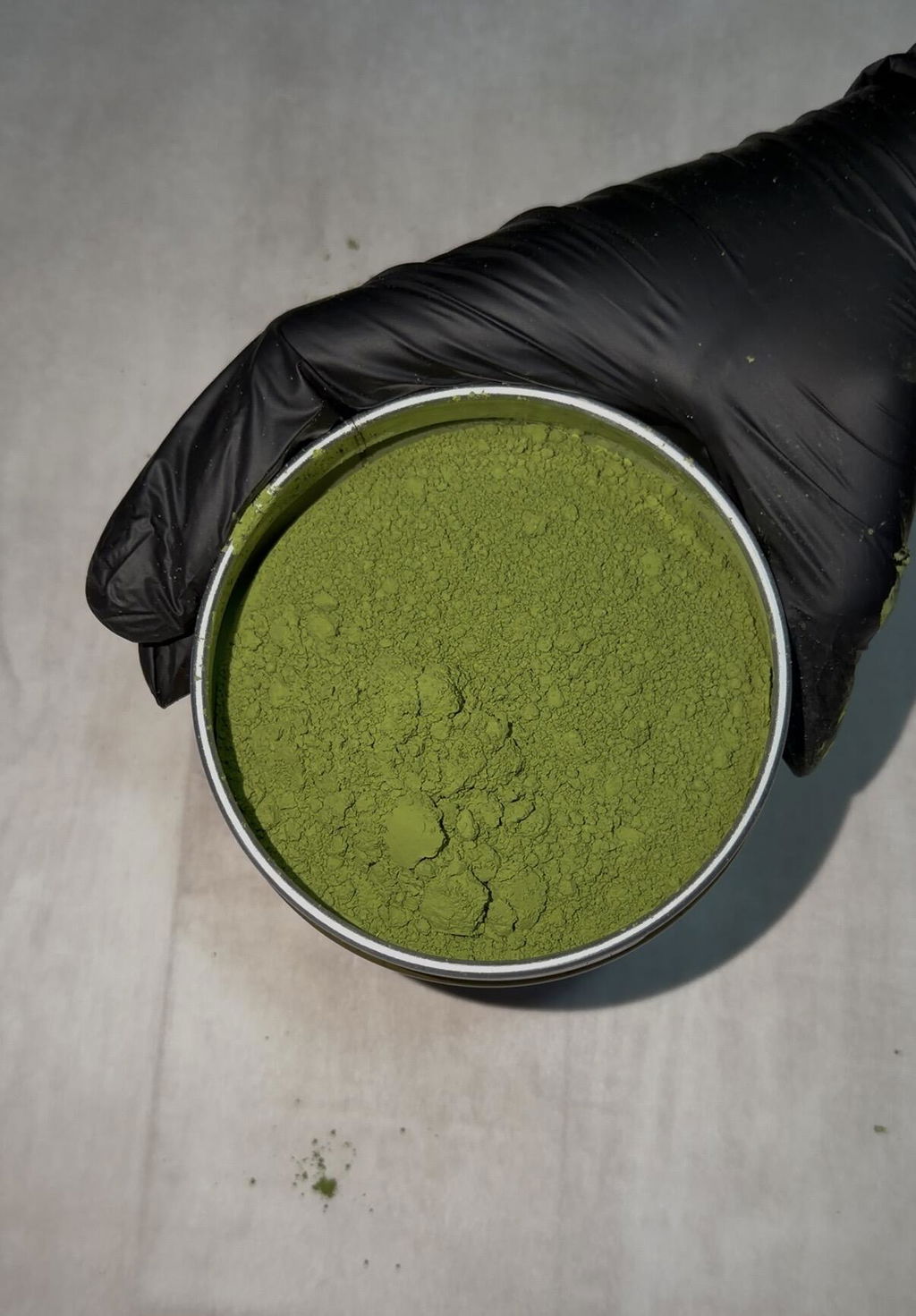
Once the shaded leaves are picked, they are quickly steamed to halt oxidation, then dried without rolling. Unlike sencha, which is rolled into needle-like shapes, matcha leaves are dried flat and their stems and veins are carefully removed. This refined, dried leaf is called tencha, and it is the raw material that will eventually be stone-ground into matcha powder.
Here is a crucial point that many buyers overlook: matcha is generally not ground all at once after harvest. Instead, tencha is stored and ground gradually throughout the year, often in small batches, to preserve freshness. Ground matcha powder is delicate and begins to lose its vibrancy relatively quickly once exposed to air, light, and heat. Tencha, by contrast, keeps far better in its leaf form. This is why producers hold tencha in careful storage and grind it closer to the time of sale.
Why Tencha Is Aged Before Grinding
One of the most fascinating aspects of matcha production is the intentional aging of tencha. Fresh tencha, straight after harvest, can taste surprisingly sharp and grassy. Many producers believe the leaf benefits from a period of rest — often several months — during which the flavors settle, deepen, and harmonize.
This traditional aging period is sometimes referred to in connection with kuchikiri, a term historically associated with the ceremonial "opening" of the tea jar in autumn, when tea aged since the spring harvest is finally enjoyed. While practices vary between producers today, the underlying principle remains: many people find that tencha aged for a few months delivers a rounder, more balanced cup than tea ground immediately after picking.
What This Means for Flavor Through the Year
Because of this aging, the character of matcha can subtly shift depending on when in the year it is ground and sold:
- Late spring to early summer: The freshest new-season matcha begins to appear, often described as bright and lively.
- Autumn: Tea that has rested since spring is traditionally associated with a mellow, well-rounded profile — a season many connoisseurs particularly enjoy.
- Winter to early spring: Stocks from the previous harvest continue to be ground and sold, with well-stored tencha retaining much of its quality until the next season begins.
Release Timing and Seasonal Availability
Given the single harvest and the practice of gradual grinding, matcha availability naturally ebbs and flows across the year. Understanding these patterns helps buyers avoid frustration and plan with confidence.
The New-Season Release
Each year, the arrival of freshly processed matcha from the spring harvest is a genuine highlight. Demand for new-season matcha can be high, and premium grades in particular may sell out. Buyers who wish to secure specific cultivars or top-tier ceremonial grades often benefit from expressing interest early rather than waiting until stock is confirmed.
The Pre-Harvest Window
The period just before the new harvest — roughly early spring — is when stocks from the previous year are at their most limited. If a particular grade has proven popular, it may become scarce during this window. For cafes that rely on a consistent house blend, this is an important consideration.
How Buyers Should Plan Around the Matcha Calendar
For cafe owners and wholesale buyers, working with the seasonal rhythm of matcha rather than against it is the surest path to reliability. Here are some practical approaches:
- Forecast your annual needs. Estimate how much matcha your business consumes across a full year, allowing for seasonal spikes such as summer iced-matcha demand or holiday menus.
- Communicate early with your supplier. Sharing your projected volumes ahead of the harvest helps ensure that the grades you depend on are reserved for you.
- Order in sensible quantities. Because ground matcha is best enjoyed fresh, avoid over-buying powder that may sit unused. Ordering in measured intervals keeps your product vibrant.
- Store thoughtfully. Keep matcha sealed, away from light, heat, moisture, and strong odors. Cool storage helps preserve color and aroma between deliveries.
- Anticipate the pre-harvest gap. If you have a signature grade, plan for the late-winter and early-spring window when older stock may run low before new-season tea arrives.
A Note on Consistency
Because each harvest is shaped by that year's weather, soil, and growing conditions, no two seasons are ever perfectly identical. Skilled producers blend tencha carefully to maintain consistency in their signature grades, but subtle year-to-year variation is part of what makes matcha a living agricultural product rather than an industrial one. For many buyers, this connection to the land and the season is precisely what makes Japanese tea so rewarding to work with.
Embracing the Rhythm of the Season
Matcha is a product of patience — of a single spring harvest, of tencha rested and ripened, and of leaves ground with care throughout the year. Rather than being a limitation, this seasonal rhythm is a reflection of the craftsmanship and heritage behind every bowl. When buyers understand and respect this cycle, they are better equipped to source the finest matcha and to share its story with their own customers.
If you would like guidance on timing your matcha orders or choosing grades that suit your menu, the team at Wakokoro Tea is always glad to help. We work closely with trusted growers to bring authentic, seasonally considered matcha to cafes and buyers around the world — and we would be delighted to help you plan your sourcing around the natural calendar of the harvest. Reach out to us to begin the conversation whenever you are ready.