
What to Look for When Buying Matcha Online: A Buyer's Guide
Wakokoro TeaShare
Buying matcha online presents a peculiar challenge. Unlike a leaf tea you can inspect and steep, matcha is a fine powder whose quality reveals itself in subtleties — a shade of green, a whisper of sweetness, the smoothness of the grind against your tongue. When you cannot open the tin, hold it to the light, or whisk a bowl before committing, you are left to interpret words, images, and a handful of technical details on a product page. The good news is that authentic, high-grade matcha leaves a trail of reliable clues. Once you know what to look for, you can shop with the same confidence you would bring to a tea shop in Uji or Kagoshima.
Whether you are a curious home drinker, a café owner refining your menu, or a wholesale buyer sourcing at volume, this guide will walk you through the signals that matter most — and the red flags that should give you pause.
Start With Color: The First and Clearest Signal
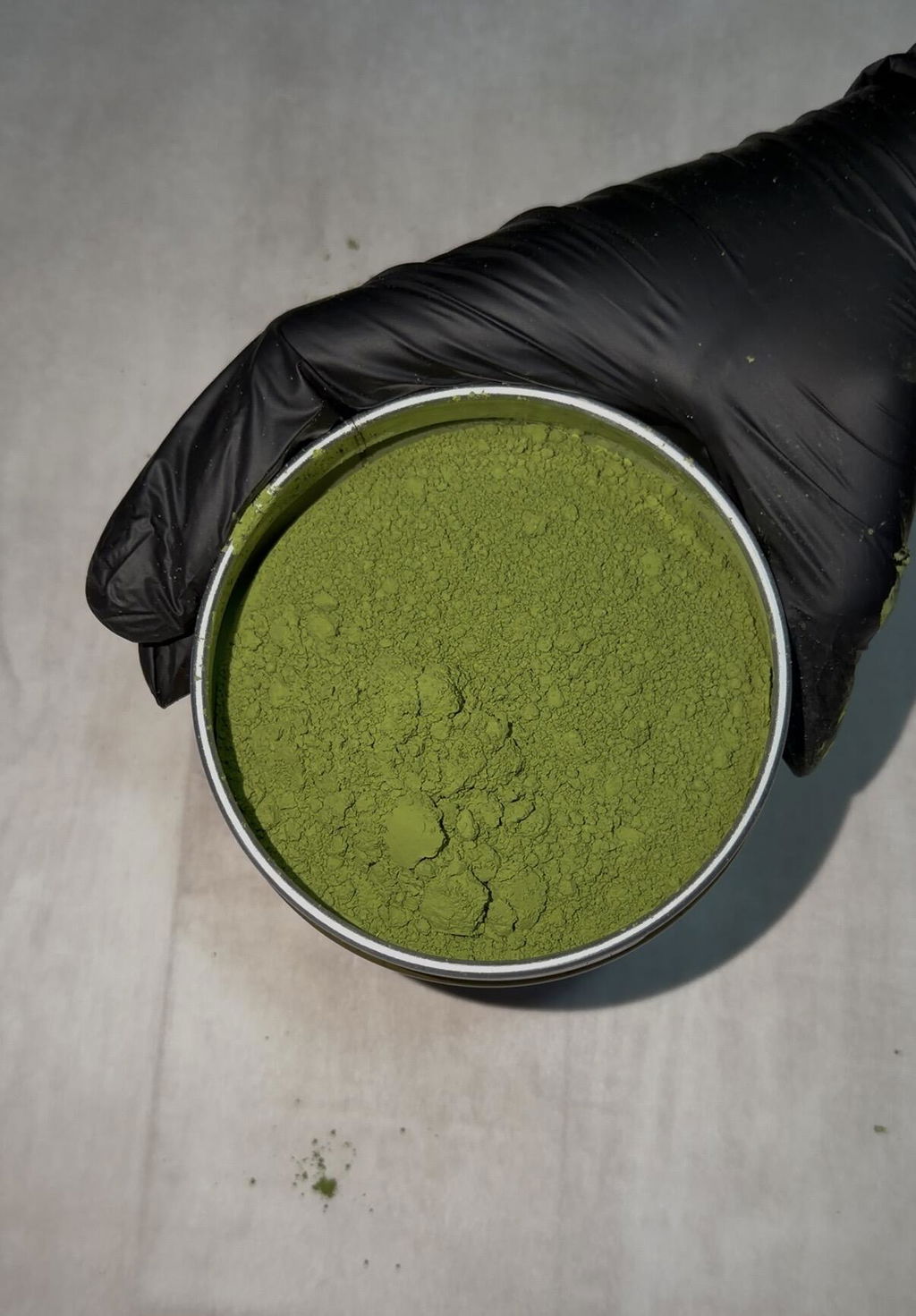
Color is the most immediate indicator of matcha quality, and it is one of the few things a good product photograph can convey honestly. High-grade matcha displays a vivid, almost luminous jade green — sometimes described as electric or spring-leaf green. This vibrancy comes from chlorophyll, which develops abundantly when the tea plants (Camellia sinensis) are shaded for several weeks before harvest. This shading process, known as ooishita saibai (covered cultivation), reduces sunlight and encourages the leaves to produce more chlorophyll and amino acids.
By contrast, lower-quality or older matcha tends toward dull, yellowish, or brownish-green tones. A khaki or olive hue often signals matcha made from later harvests, more mature leaves, or powder that has oxidized with age. When browsing online, look at the powder itself in product images rather than the color of the packaging or the whisked drink, which lighting can easily distort.
A Note on Ceremonial vs. Culinary Color
Not all matcha is meant to be brilliantly green. Culinary-grade matcha, intended for lattes, baking, and blending, is naturally more robust and slightly less vivid because it withstands milk, sugar, and heat. This is perfectly appropriate for its purpose. The key is context: expect ceremonial-grade matcha, meant to be whisked with water and enjoyed on its own, to show that prized bright green. Judge each grade against its intended use rather than a single universal standard.
Origin: Where Your Matcha Comes From
Japanese matcha is deeply tied to place, much as wine is tied to region. Reputable sellers are transparent about origin — often down to the prefecture, and sometimes the specific farm or cooperative. Vague labels such as "product of Asia" or an unnamed "premium matcha" should raise your suspicions, as authentic Japanese matcha carries a strong sense of provenance.
Several regions are especially celebrated for matcha:
- Uji (Kyoto) — Widely regarded as the historic heartland of matcha, Uji is traditionally associated with refined, elegant flavor and centuries of tea-making heritage.
- Nishio (Aichi) — A region with a long-standing reputation for matcha production and a rich, full-bodied character.
- Kagoshima — In the warm south, Kagoshima has become known for innovative cultivation and vibrant, approachable teas.
- Yame (Fukuoka) — Prized for high-grade teas with notable depth and sweetness.
Origin alone does not guarantee excellence, and skilled producers work across many regions. But transparency about where and by whom the tea is grown reflects a seller who respects both the craft and the customer. It also allows you to build preferences over time, learning which regional profiles suit your palate or your café's signature drinks.
Harvest Date and Freshness
Matcha is far more perishable than many people expect. Because it is a fine powder with a vast surface area, it loses its aromatic complexity and vibrant color relatively quickly once exposed to air, light, and heat. This is why harvest date and freshness deserve close attention when buying online.
First Harvest Matters
The finest matcha typically comes from ichibancha (the first flush, harvested in spring). These young, tender leaves yield the sweetest, most nuanced matcha, with less of the astringency found in later harvests. Sellers offering first-harvest matcha will usually say so clearly. Later harvests, known as nibancha and beyond, produce more robust and often more bitter powders that are better suited to culinary uses.
Look for Dates, Not Just Claims
A trustworthy seller provides either a harvest date, a milling date, or a clear best-by window. Matcha is generally at its best within several months to a year of milling, and ideally consumed within a few weeks of opening. If a listing gives no indication of freshness, or if the same batch has apparently been sitting available for a very long time, treat that as a warning sign. Fresh matcha is worth seeking out; stale matcha, however prestigious its origin, will disappoint.
Grind Size and Texture
The texture of matcha is a hallmark of craftsmanship. Traditionally, the highest grades are milled slowly on granite stone mills (ishiusu), a painstaking process that produces an extraordinarily fine, silky powder — often compared to talcum or the finest flour. This delicate particle size is part of what allows ceremonial matcha to whisk into a smooth, frothy bowl without clumping or grittiness.
When shopping online, you obviously cannot feel the powder, so look for descriptive cues. Sellers proud of their milling will often mention stone-ground production and describe the texture. In photographs, high-quality matcha appears smooth and uniform, almost like a solid block of color, rather than visibly grainy or speckled. Coarse, sandy matcha not only feels unpleasant but also tends to settle quickly and taste flat, because the leaf's flavor is not fully released.
Red Flags to Avoid
Once you understand what quality looks like, the warning signs become easier to spot. Keep an eye out for the following:
- Dull or brownish color. As discussed, yellow-brown tones often indicate age, oxidation, or lower-grade leaf.
- No stated origin. Genuine Japanese matcha comes from an identifiable place. Ambiguity here is a meaningful red flag.
- No harvest or milling date. Freshness is essential, and reputable sellers are transparent about it.
- Suspiciously low prices. Authentic, shade-grown, stone-milled matcha is labor-intensive to produce. Prices far below the market norm usually signal diluted, low-grade, or non-Japanese powder.
- Added ingredients in "pure" matcha. Ceremonial matcha should contain nothing but ground tea leaves. Sugar, milk powder, or flavorings belong only in clearly labeled blends.
- Excessive health promises. While matcha is traditionally associated with focus and calm — qualities some research suggests may relate to its L-theanine and caffeine content — sellers who make dramatic, definitive medical claims are prioritizing marketing over honesty.
- Poor packaging. Because matcha degrades in light and air, quality producers use opaque, airtight tins or sealed pouches. Clear containers or flimsy packaging suggest little regard for preservation.
Matching Grade to Purpose
Finally, remember that the "best" matcha is the one suited to how you will use it. For a café owner building a menu of matcha lattes, a high-quality culinary or premium grade that holds its flavor against milk may be more sensible — and more economical — than a delicate ceremonial powder. For quiet moments of whisking and sipping, or for offering guests a traditional bowl, a first-harvest ceremonial grade rewards the extra investment. Many people find that keeping two grades on hand, one for everyday drinks and one for special occasions, is the most satisfying approach.
Buying matcha online is ultimately an act of trust — but it need not be a leap in the dark. By reading for color, origin, harvest freshness, and grind, and by staying alert to the red flags above, you can source matcha that genuinely reflects the care of the farmers and millers behind it.
If you would like to taste the difference that transparency and craftsmanship make, we warmly invite you to browse the carefully selected matcha at Wakokoro Tea, where every tin carries the story of its origin and the dedication of the growers who made it. We are always happy to help you find the grade that fits your cup — or your café.