
What Makes Uji Matcha Special?
Wakokoro TeaShare
Few place names carry as much weight in the world of Japanese tea as Uji. Nestled just south of Kyoto, this modest riverside region has, for more than eight centuries, been synonymous with matcha of the highest order. When tea connoisseurs, chefs, and café owners speak of the "gold standard" for powdered green tea, they are almost always measuring against Uji. But what exactly elevates this small corner of Japan above so many other tea-growing areas? The answer lies in a remarkable convergence of history, geography, and human dedication — a story worth understanding for anyone who wishes to truly appreciate what they are drinking.
The Historical Roots of Uji Tea
To understand Uji's status, we must travel back to the late 12th century. The Buddhist monk Eisai is traditionally credited with bringing tea seeds and the practice of powdered tea preparation from China to Japan. These early seeds found their way to fertile ground, and by the Kamakura and Muromachi periods, cultivation in the Kyoto area — Uji chief among them — was flourishing.
What set Uji apart was its early patronage by Japan's ruling elite. The powerful Ashikaga shoguns established prestigious tea gardens here, and Uji tea became the drink of nobility, temples, and the imperial court. This close relationship with high culture meant that Uji farmers were constantly pushed toward refinement and innovation, developing techniques that would define quality matcha for generations.
The Birthplace of Shading Techniques
Perhaps Uji's most enduring contribution to tea craft is the development of ooishita saibai (covered cultivation) — the practice of shading tea plants for several weeks before harvest. By blocking direct sunlight, growers encourage the leaves to produce more chlorophyll and develop a sweeter, less astringent character. This shading is essential to producing tencha (the leaf that is later ground into matcha) and remains one of the defining steps in creating truly fine matcha today. Uji is widely regarded as the region where these methods were perfected and codified.
A Landscape Built for Tea
Great tea begins with great terroir, and Uji is blessed with growing conditions that seem almost purpose-made for cultivating tencha. Several natural factors work in harmony here.
Rivers and Mist
Uji sits at the meeting point of hills and river valleys, where the Uji River and its tributaries create a landscape of gentle slopes and abundant water. This topography produces something invaluable to tea plants: regular morning mist. The soft, filtered light and humidity created by these mists is often said to protect the delicate young leaves from harsh sun and temperature swings, encouraging the slow, even growth that concentrates flavor and aroma.
Soil and Drainage
The region's soil is a significant part of the equation. Uji's tea gardens benefit from well-drained, mineral-rich earth deposited over centuries by the surrounding rivers and hills. Good drainage prevents waterlogging, while the mineral content is traditionally associated with the depth and complexity of flavor that Uji matcha is known for. Combined with careful, often generations-old soil management, this foundation gives the leaves a distinctive character that is difficult to replicate elsewhere.
A Gentle Microclimate
Uji enjoys a temperate microclimate with warm days, cooler nights, and moderate rainfall. This diurnal temperature variation is thought to slow the growth of the leaves just enough to build layers of sweetness and umami — the savory, brothy quality that many people find so captivating in high-grade matcha. The absence of extreme weather also allows farmers to plan their shading and harvest with precision, an advantage in a craft where timing is everything.
The Craftsmanship Behind Uji Matcha
Nature provides the raw potential, but it is human skill that transforms Uji's leaves into world-class matcha. The region is home to families and companies that have refined their methods across many generations, and this accumulated knowledge is a form of cultural heritage in itself.
From Leaf to Tencha
After the shaded leaves are harvested — traditionally the first spring flush yields the finest quality — they are steamed to halt oxidation, then carefully dried without the rolling process used for many other green teas. This produces tencha, a flat, crumbly leaf. Skilled producers then remove the stems and veins, leaving only the purest leaf flesh to be ground.
Stone-Milling
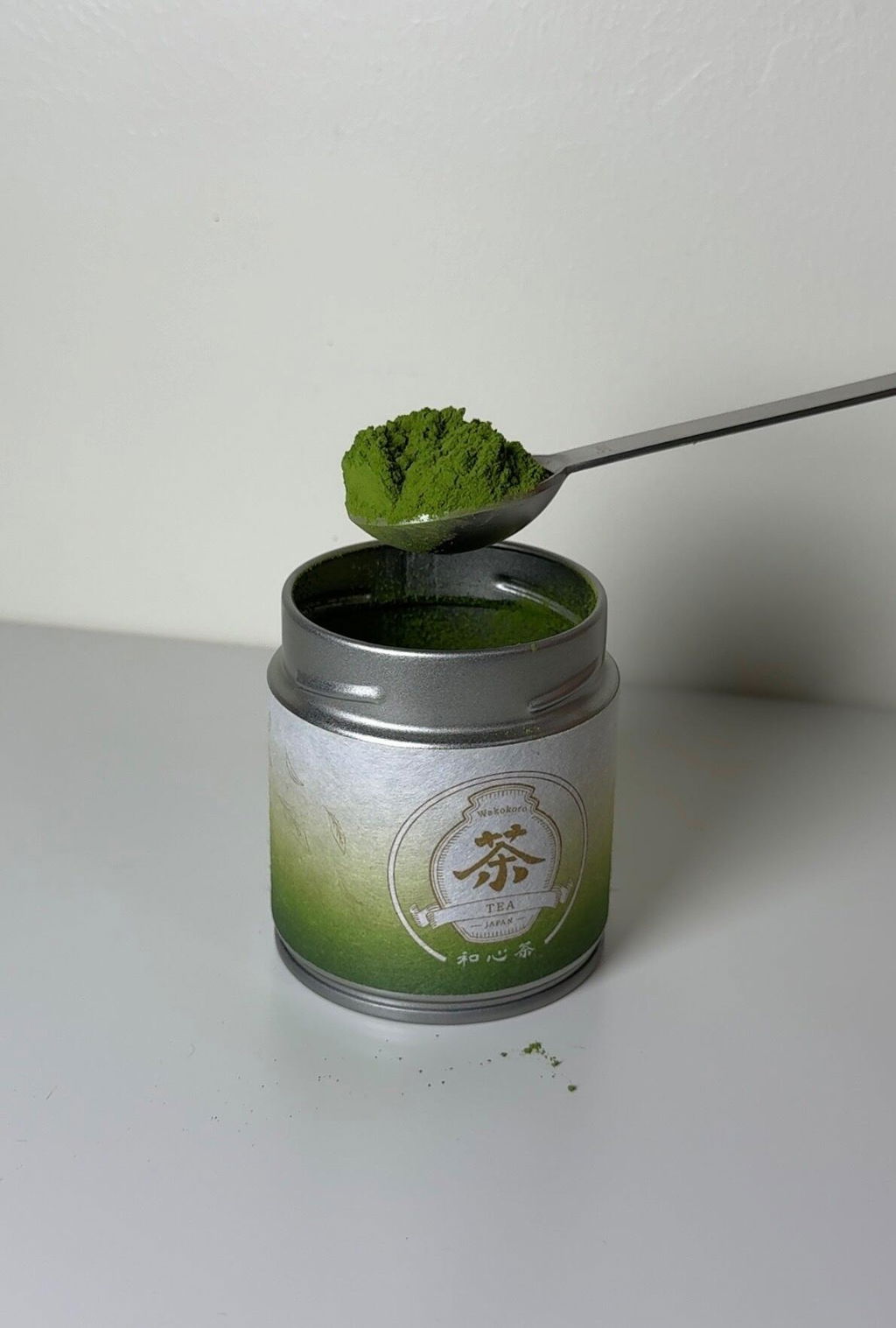
The final step is among the most iconic: grinding tencha into matcha using traditional granite stone mills. These mills turn extraordinarily slowly — often producing only around 30 to 40 grams of matcha per hour — to avoid generating heat that would degrade the tea's color, aroma, and flavor. The result is an impossibly fine powder with a vivid green hue and a silky texture. This patience and refusal to cut corners is a hallmark of the Uji approach.
Why Uji Remains the Benchmark
With matcha now produced in several Japanese regions — and increasingly imitated abroad — one might ask whether Uji's reputation is simply the weight of history. In practice, several factors keep it at the forefront.
- Consistency of quality: Centuries of expertise mean Uji producers reliably deliver matcha with the vibrant color, fine grind, and balanced flavor that define the category.
- Depth of flavor: Uji matcha is often described as having a full, layered umami with natural sweetness and minimal bitterness — a profile many consider the ideal.
- Cultural authority: Uji's deep ties to the Japanese tea ceremony (chanoyu) mean its teas are held to exacting ceremonial standards.
- Protected reputation: Efforts to define and safeguard what qualifies as authentic Uji tea help preserve its integrity in a crowded global market.
It is worth noting that the term "Uji matcha" today can encompass tea grown in the broader Uji-influenced growing area across parts of Kyoto and neighboring prefectures, all processed according to Uji's exacting traditions. This reflects both the region's limited land and the enduring authority of its methods.
Appreciating Uji Matcha Today
For the modern drinker, the appeal of Uji matcha extends beyond heritage. Its balanced character makes it wonderfully versatile. Ceremonial-grade Uji matcha, whisked simply with hot water, rewards slow and mindful preparation — a moment of calm that tea drinkers have valued for centuries. Culinary and latte grades, meanwhile, bring depth and vivid color to lattes, desserts, and baking without turning bitter.
For café owners and wholesale buyers in particular, sourcing genuine Uji matcha is a way to offer customers something with a verifiable story and dependable quality. In a market where the word "matcha" is applied to a huge range of products, the provenance and craftsmanship behind Uji tea provide a meaningful point of difference — and a reason for guests to return.
Understanding what makes Uji special also helps you taste more attentively. The next time you prepare a bowl, notice the brilliance of the color, the smoothness of the texture on the palate, and the way the sweetness lingers after the initial umami. These qualities are the direct result of everything we have explored: the mist, the soil, the shading, and the patient hands at the stone mill.
At Wakokoro Tea, we take great care to bring the heritage and craftsmanship of Japan's finest tea regions directly to your cup. If you would like to experience the depth and clarity of authentic Uji matcha for yourself — or source it with confidence for your café or business — we would be delighted to guide you through our carefully selected offerings. Reach out to our team, and let us help you find a tea worthy of Uji's remarkable legacy.