Understanding Hojicha: Japan's Roasted Green Tea
Wakokoro TeaShare
Among the many treasures of the Japanese tea world, hojicha (ほうじ茶, roasted green tea) holds a special and somewhat unexpected place. While much of Japan's tea culture celebrates the vivid green color and grassy freshness of teas like sencha and gyokuro, hojicha stands apart with its warm amber liquor, comforting aroma, and mellow, toasty flavor. It is the tea you might find simmering in a family kitchen after dinner, served to children and elders alike, or increasingly, poured as a velvety latte in cafés from London to Melbourne. For a tea that began as a clever way to use humble leaves, hojicha has traveled remarkably far.
In this guide, we'll explore what makes hojicha unique: the roasting process that gives it character, its naturally gentler caffeine content, its distinctive flavor notes, and the reasons it is finding new admirers around the globe.
What Is Hojicha?
Hojicha is a type of Japanese green tea that has been roasted over high heat, transforming both its appearance and its taste. The word itself comes from hoji (to roast) and cha (tea). Unlike most Japanese green teas, which are steamed shortly after harvest to preserve their green color and fresh vegetal notes, hojicha undergoes an additional roasting step that changes everything about the leaf.
What may surprise newcomers is that hojicha is not made from a separate plant or a special cultivar. It is created from the same Camellia sinensis leaves used for other green teas. More often than not, hojicha is produced from later harvests, larger leaves, and stems—materials that might otherwise be considered less refined. The roasting process elevates these humble components into something deeply satisfying, which is part of hojicha's quiet charm: it embodies the Japanese sensibility of mottainai (a respect for not letting anything go to waste).
A Tea Born From Resourcefulness
Hojicha as we know it is believed to have emerged in Kyoto in the 1920s, when tea merchants sought a way to make use of leftover leaves and stems. By roasting them, they discovered a tea that was not only economical but also possessed a wonderful aroma and an approachable, soothing taste. What started as thrift became tradition, and today hojicha is beloved throughout Japan for its everyday warmth and versatility.
The Roasting Process: Where the Magic Happens
The heart of hojicha lies in its roasting. After the tea leaves have been harvested, steamed, and dried in the usual manner of green tea production, selected leaves and stems are roasted at high temperatures—typically somewhere between 150°C and 200°C. This can be done in a rotating porcelain drum or specialized roasting equipment, and it requires considerable skill and attention.
During roasting, several remarkable changes take place:
- Color transformation: The bright green leaves darken to a rich reddish-brown, and the brewed tea takes on a clear amber or golden-brown hue rather than the green of unroasted tea.
- Aroma development: Heat triggers what are known as Maillard reactions—the same chemistry responsible for the appealing smell of toasted bread or roasted coffee—producing hojicha's signature nutty, caramel-like fragrance.
- Flavor mellowing: The grassy, astringent, and bitter qualities of green tea soften significantly, replaced by smooth, roasty, and slightly sweet notes.
The degree of roasting varies from producer to producer, and this is where craftsmanship truly shines. A lighter roast preserves more of the tea's original green character while adding gentle warmth, whereas a deeper roast yields bolder, smokier, more chocolatey tones. An experienced roaster reads the leaves by sight, smell, and sound, knowing exactly when to stop so the tea reaches its ideal balance without becoming bitter or scorched.
Naturally Lower in Caffeine
One of hojicha's most celebrated qualities is that it is generally considered to be lower in caffeine than many other green teas. There are two main reasons often cited for this.
First, hojicha is frequently made from more mature leaves and stems harvested later in the season, and these parts of the plant tend to contain less caffeine than the young, tender buds prized for premium teas. Second, the high heat of the roasting process is traditionally associated with reducing the caffeine content of the finished tea.
Because of this gentler profile, many people find hojicha to be a comfortable choice for the evening, or for moments when they'd prefer something soothing rather than stimulating. In Japan, it is commonly served to children and to those who are sensitive to caffeine, and it is a familiar presence at the dinner table. That said, hojicha does still contain some caffeine, so individual sensitivity is always worth keeping in mind.
The Flavor Profile of Hojicha
If you are accustomed to the bright, grassy intensity of sencha, your first cup of hojicha may feel like a delightful surprise. Its character is warm rather than fresh, comforting rather than invigorating.
Common flavor notes include:
- Toasty and nutty: Reminiscent of roasted grains, chestnuts, or lightly toasted bread.
- Caramel and sweetness: A natural, gentle sweetness without any added sugar.
- Woody and earthy: Subtle notes that give the tea depth and roundness.
- Smooth and low in astringency: Hojicha is remarkably free of the bitterness some associate with green tea, making it exceptionally easy to drink.
This smooth, forgiving nature also makes hojicha wonderfully simple to brew. Unlike gyokuro, which demands precise low temperatures, hojicha welcomes near-boiling water—around 90°C to 100°C—and a short steep of roughly 30 seconds to a minute. Because it resists bitterness, it is quite hard to over-brew, which makes it a reassuring choice for those new to Japanese tea.
Serving Hojicha Hot and Cold
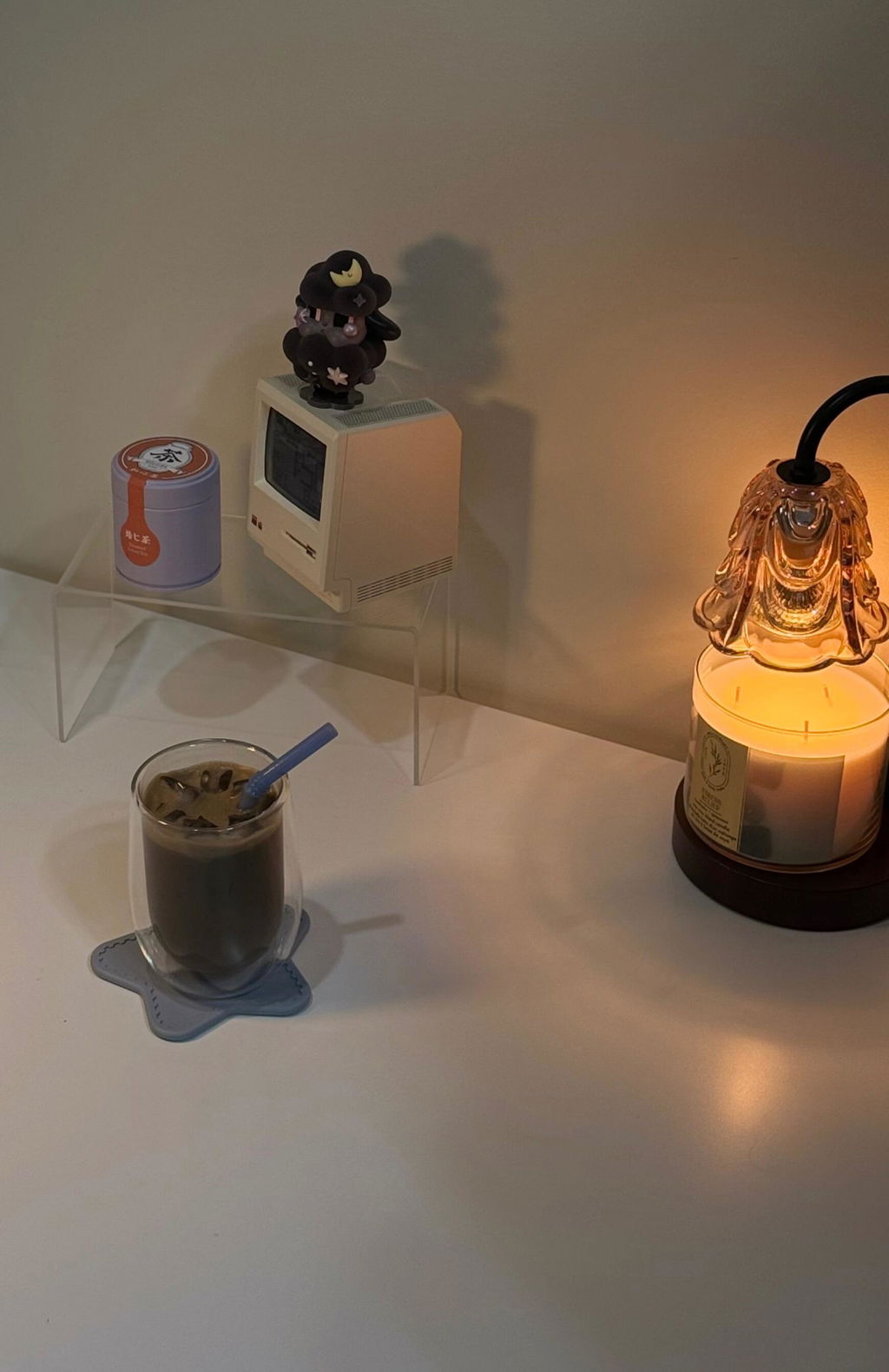
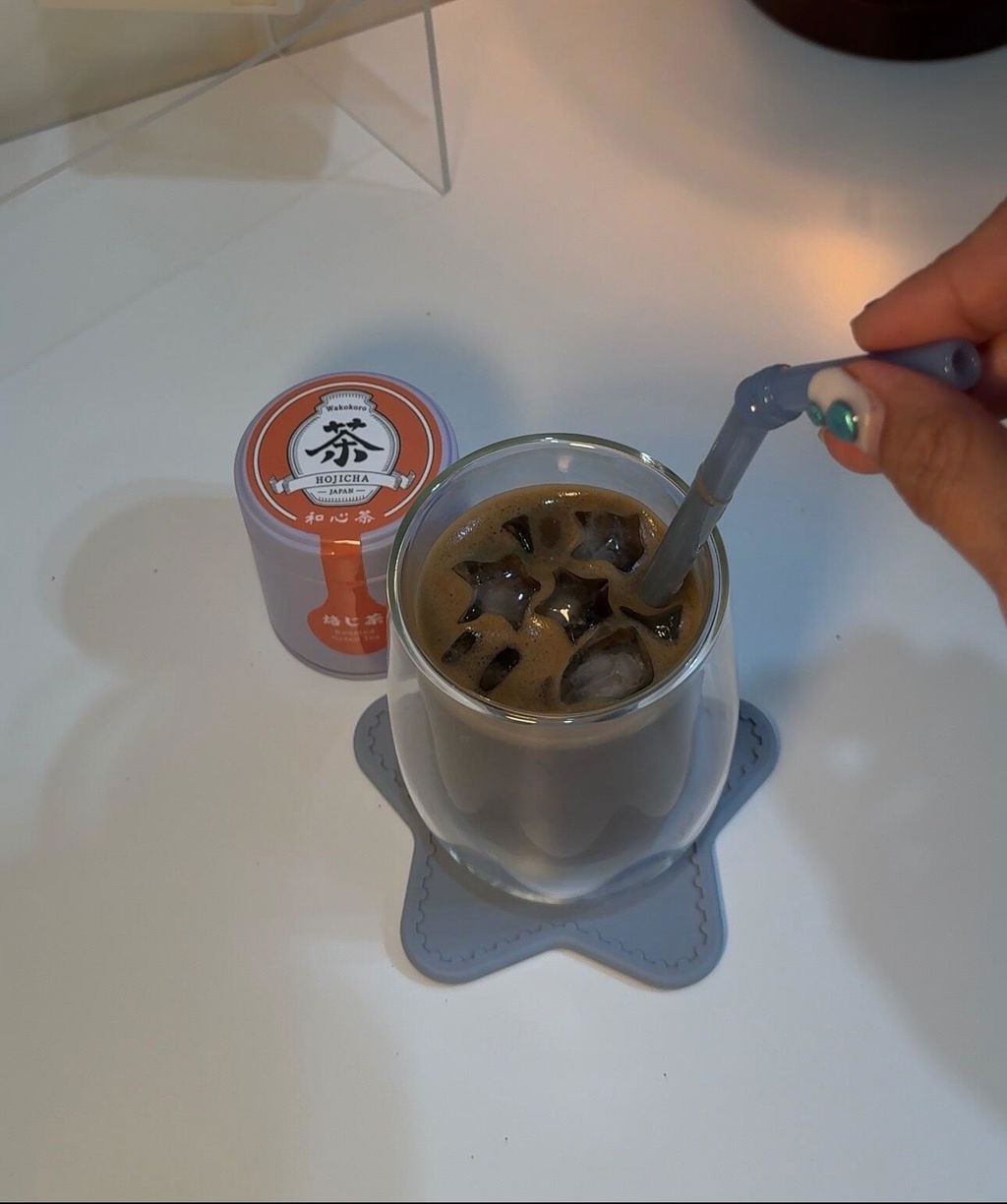
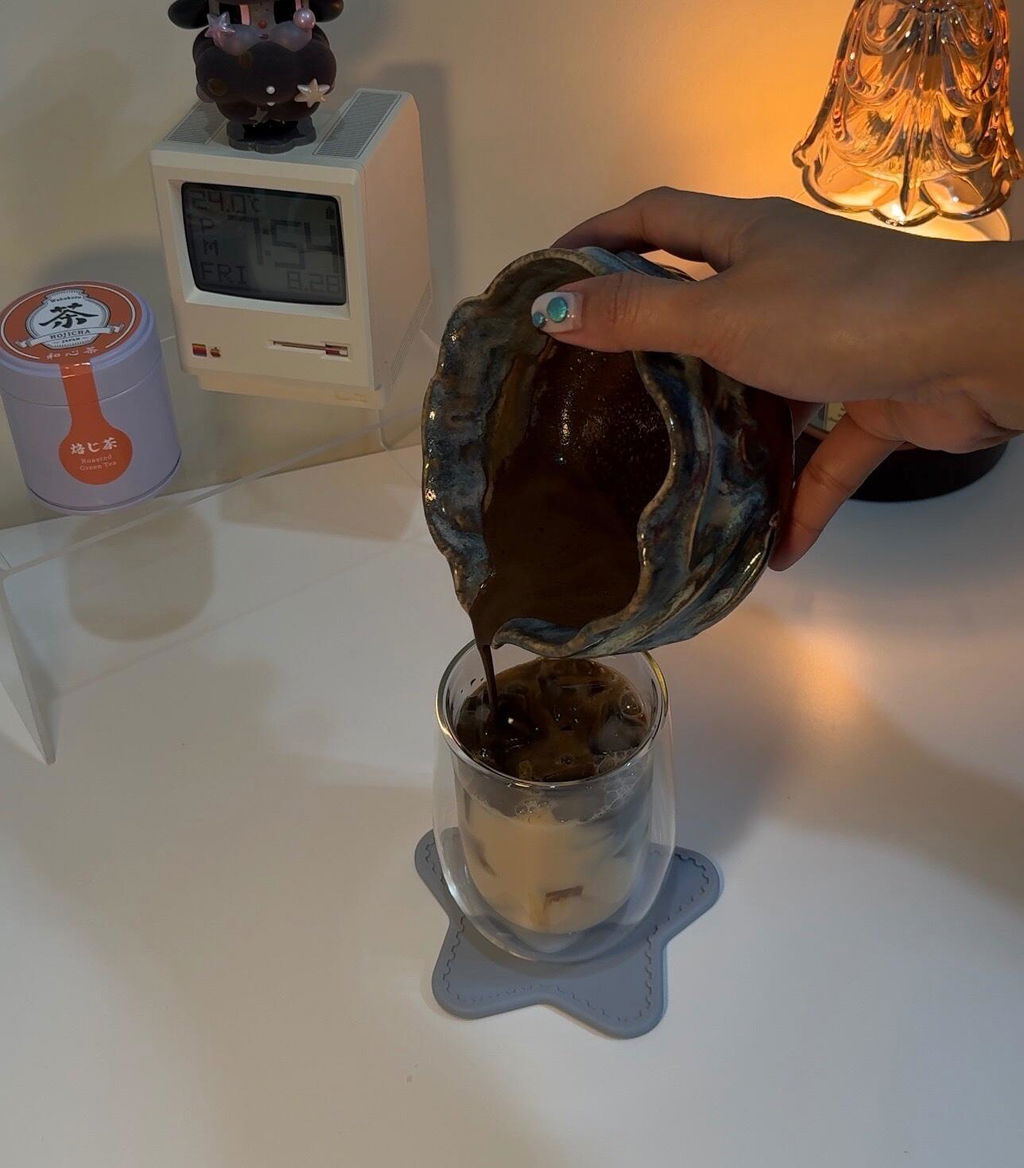
Hojicha is endlessly adaptable. Served hot, it is the perfect companion to a meal or a quiet moment of rest. Brewed strong and chilled over ice, it becomes a refreshing summer drink. And when whisked or steeped into steamed milk, hojicha creates a comforting latte whose roasted notes pair beautifully with dairy and plant-based milks alike. In the culinary world, powdered hojicha has become a favorite for ice creams, custards, and baked goods, lending a sophisticated toasty depth.
Why Hojicha Is Gaining International Popularity
For decades, hojicha remained something of a quiet everyday staple within Japan, overshadowed abroad by the vivid appeal of matcha. In recent years, however, it has stepped confidently into the international spotlight. Several factors help explain this rise.
- Approachable flavor: Its smooth, roasty sweetness feels familiar to those who enjoy coffee or roasted beverages, making it an easy entry point into Japanese tea.
- Gentler caffeine profile: As more people seek soothing alternatives for the afternoon and evening, hojicha's reputation as a mellow, comforting tea has broadened its appeal.
- Café creativity: The hojicha latte has become a signature offering in specialty cafés, giving customers a warming, distinctive alternative to matcha and coffee.
- Versatility for chefs and bakers: Its roasted character shines in desserts, syrups, and confections, opening doors in the culinary world.
- A story worth sharing: The heritage of hojicha—its Kyoto origins and its philosophy of using every part of the leaf—resonates with modern values of sustainability and mindful consumption.
For café owners and wholesale buyers, hojicha represents a genuine opportunity. It differentiates a menu, welcomes caffeine-conscious customers, and pairs naturally with the growing appetite for authentic, thoughtfully sourced Japanese ingredients. Whether offered as a simple hot pot of tea, a signature latte, or a dessert component, hojicha invites guests to slow down and savor something warm and unhurried.
A Tea Worth Knowing
Hojicha reminds us that greatness in tea does not always come from the youngest leaves or the brightest green. Sometimes it comes from patience, skill, and the transformative power of fire. In every cup, there is a quiet story of Japanese resourcefulness and craft—a humble beginning turned into an experience of genuine comfort and beauty.
If you'd like to bring the warmth of authentic roasted Japanese tea to your home, café, or shelves, the team at Wakokoro Tea would be glad to help you find a hojicha that suits your taste and your customers. Reach out to us, and let's share the toasty comfort of this remarkable tea together.