
The Role of Shade-Growing in Matcha Quality
Wakokoro TeaShare
Few agricultural practices in the world of tea are as quietly transformative as shade-growing. When you whisk a bowl of vivid green matcha and notice its deep, almost jewel-like color and that distinctive savory-sweet character, you are tasting the result of weeks of careful shading in the fields. This single step — covering the tea plants before harvest — separates true ceremonial matcha from more ordinary green teas. Understanding it is essential for anyone who wants to appreciate matcha more deeply, or to source it with confidence.
In this article, we'll walk through the tencha (the shaded, unground leaf that becomes matcha) cultivation process, explore the science and tradition behind shading, and explain why those final three to four weeks in the shade have such a profound influence on quality.
What Makes Matcha Different From Other Green Teas?
Before we reach the shading itself, it helps to understand where matcha sits within the broader family of Japanese tea. Most Japanese green teas — such as sencha (the everyday steamed green tea) — are grown in full sunlight. The leaves are harvested, steamed, rolled, and dried into the familiar needle-like shape.
Matcha begins its life differently. It starts as tencha, a leaf that is grown under shade, steamed, and then dried flat without rolling. The veins and stems are removed, leaving only the tender flesh of the leaf, which is later stone-ground into the fine powder we know as matcha. The shading stage is what gives tencha — and therefore matcha — its signature qualities.
The Tencha Cultivation Process, Step by Step
The journey from tea bush to matcha bowl is long and deliberate. While practices vary between regions and farms, the general process follows a recognizable rhythm.
1. Tending the Plants Through the Year
Tea plants destined for tencha are cultivated with particular care throughout the growing season. Farmers manage soil health, pruning, and nutrition to encourage vigorous, healthy growth. The goal is to build up the plant's reserves so that, when shading begins, the leaves can develop their full potential.
2. Applying the Shade
Roughly three to four weeks before the spring harvest, the fields are covered. Traditionally, this was done using yoshizu (woven reed screens) and rice straw layered over a framework above the bushes. Today, many farms use specialized black shading cloth, though the most revered gardens still employ traditional materials for the highest grades.
Shading is often applied in stages, gradually increasing the amount of light that is blocked. By the end of the shading period, the plants may be receiving only a small fraction of normal sunlight — sometimes less than ten percent.
3. Hand-Picking the Finest Leaves
When harvest arrives, the youngest and most tender leaves are gathered, often by hand for premium grades. The first flush of spring (ichibancha) is especially prized, as these early leaves carry the most delicate flavor and the greatest concentration of desirable compounds.
4. Steaming and Drying Into Tencha
Immediately after picking, the leaves are steamed to halt oxidation and preserve their green color. Unlike sencha, the leaves are not rolled. Instead they are dried in a way that keeps them flat and brittle. The stems and veins are then separated out, leaving pure leaf flesh — this refined material is tencha.
5. Stone-Grinding Into Matcha
Finally, the tencha is slowly ground between granite millstones. This is a famously unhurried process; a single stone mill may produce only around thirty to forty grams of matcha per hour. The slow grind helps protect the powder from heat and preserves its fine texture, aroma, and color.
Why Shading Matters: The Science and the Craft
Shading is not simply a tradition carried forward out of habit. It triggers measurable changes within the leaf that directly shape the flavor, aroma, and appearance of the finished matcha.
Boosting Chlorophyll and Deepening Color
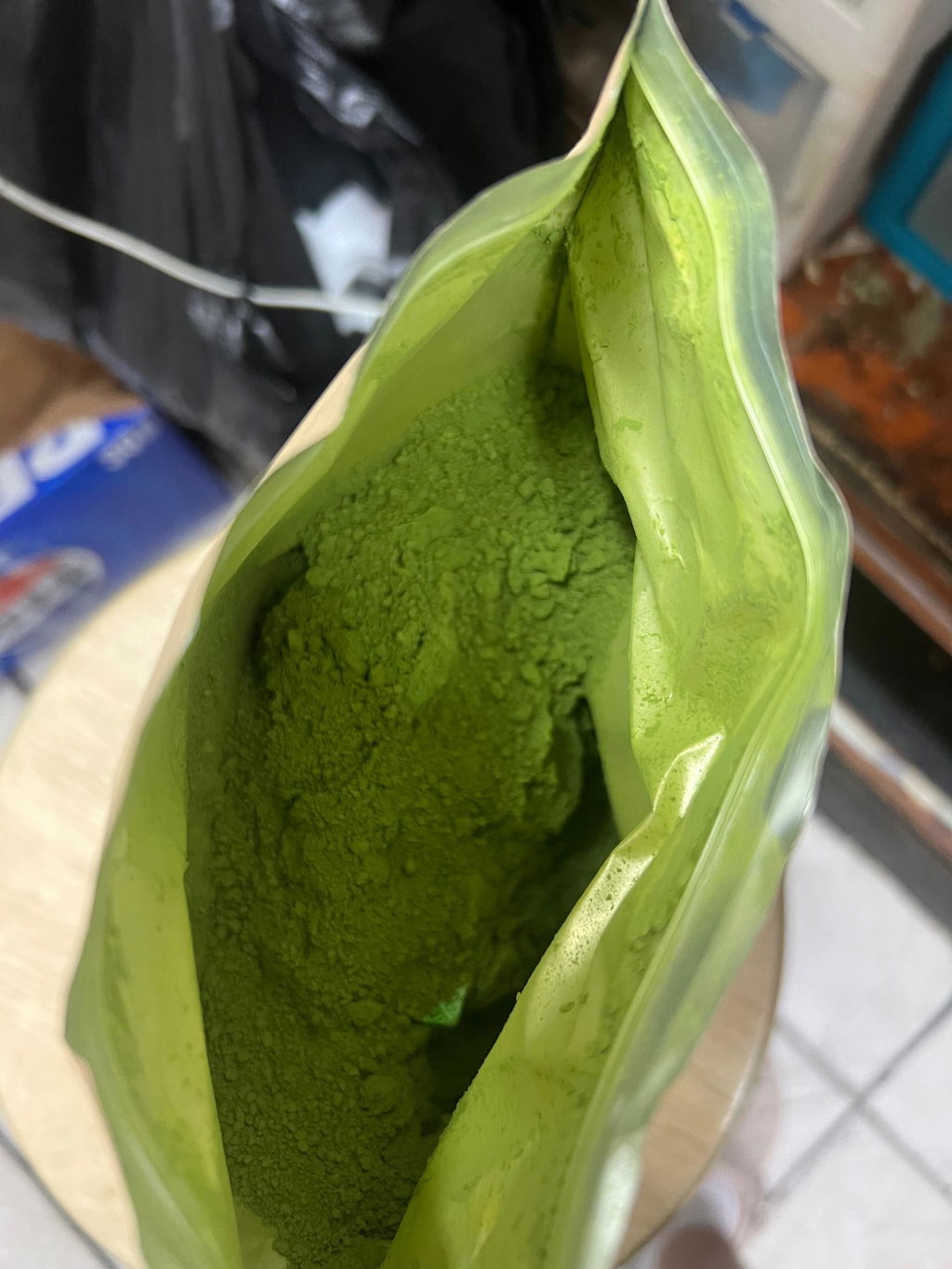
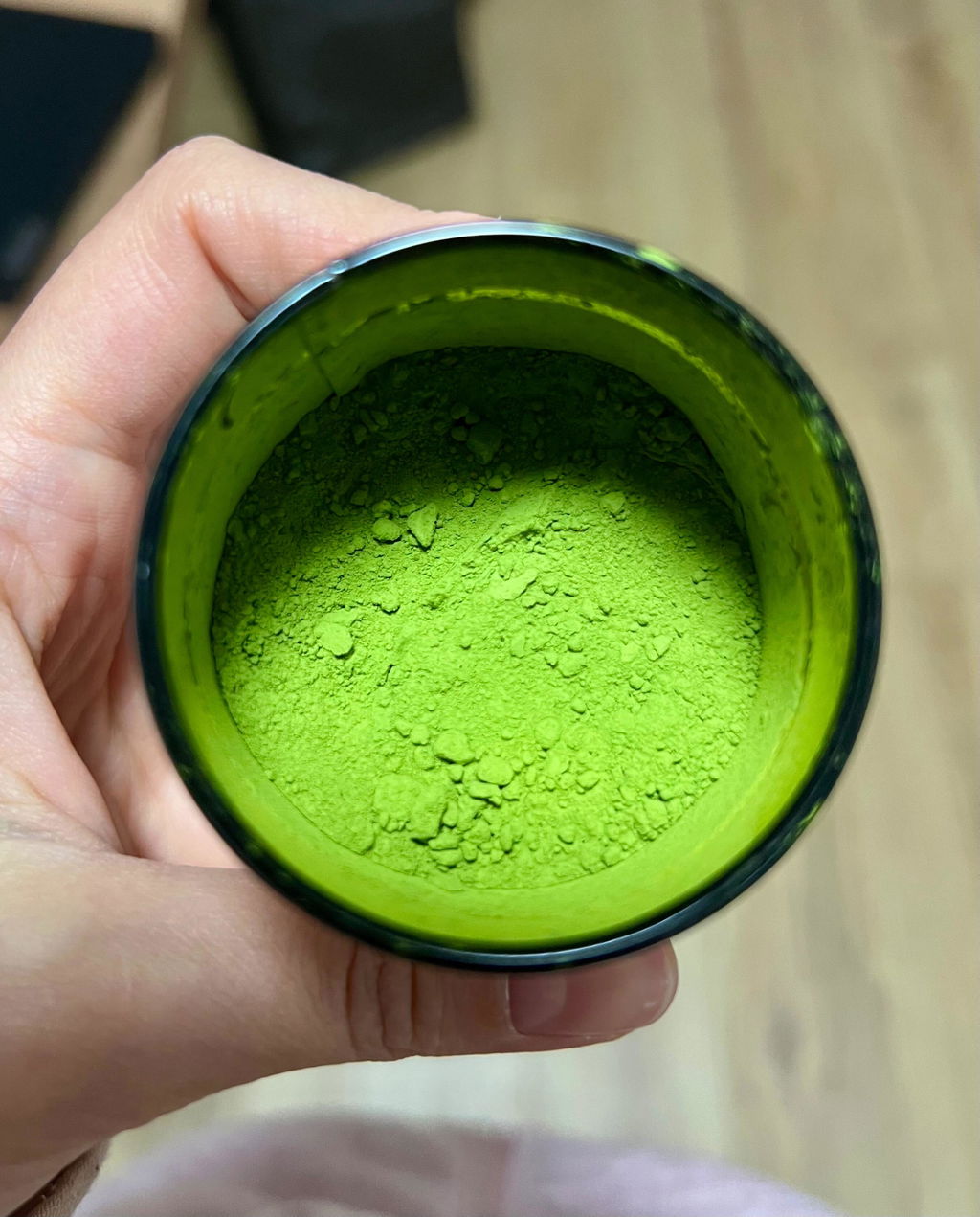
When a tea plant is deprived of full sunlight, it responds by producing more chlorophyll in an effort to capture what little light remains. This is why shade-grown leaves take on such a deep, vibrant green. That rich color carries through to the finished powder — one reason a bright, lively green is often considered a visual marker of well-made matcha.
Encouraging Umami and Sweetness
Perhaps the most important effect of shading relates to the balance of amino acids and other compounds in the leaf. In sunlight, an amino acid called L-theanine is gradually converted into catechins, the compounds associated with astringency and bitterness. By limiting sunlight, shading slows this conversion, allowing more L-theanine to remain in the leaf.
L-theanine is traditionally associated with the savory, brothy quality the Japanese call umami, as well as a natural sweetness. This is why high-quality shaded matcha tends to taste smooth and rounded rather than sharply bitter. Many people find that the finest ceremonial matcha has a lingering sweetness that lingers pleasantly on the palate.
Developing the Signature Aroma
Shading also contributes to the development of a distinctive fresh, almost marine aroma sometimes described as ooika — a covered-tea fragrance prized in top-grade matcha and gyokuro. This gentle, verdant scent is one of the quiet pleasures of preparing a bowl of quality matcha.
Why Three to Four Weeks?
The length of the shading period is a careful balancing act honed over generations. Too short, and the leaf will not develop sufficient depth of flavor or color. Too long, and the plant may suffer stress that compromises its health and the quality of the harvest.
For premium matcha, a shading period of roughly twenty to thirty days is generally regarded as the sweet spot. Within that window, the leaf accumulates the amino acids and chlorophyll that define great matcha, while the plant remains healthy enough to yield tender, flavorful leaves. Lower grades may be shaded for a shorter time, which is one of several factors that influence their lighter color and more astringent profile.
What This Means for Buyers and Cafe Owners
For those sourcing matcha — whether for a tea menu, a bakery, or retail shelves — understanding shade-growing offers a practical lens for judging quality.
- Color is a clue. A deep, vivid green generally suggests careful shading and fresh, high-quality leaf, while a dull or yellowish tone may indicate less shading or older material.
- Flavor reveals balance. Well-shaded matcha tends toward smooth umami and natural sweetness. Harsh, flat bitterness can be a sign of minimal shading or lower-grade leaf.
- Grade suits purpose. Longer-shaded ceremonial grades shine when whisked and enjoyed on their own, while slightly more robust culinary grades can stand up beautifully to milk and baking.
Knowing how shading shapes these characteristics allows you to match the right matcha to the right use, and to explain its value confidently to your own customers.
A Tradition Worth Savoring
The practice of shading tea is a reminder that great matcha is not made in a moment. It is the product of patience — a farmer watching the fields, adjusting the covers, and trusting a process refined over centuries. Those three to four weeks in the shade represent a dialogue between grower and plant, light and leaf, that ultimately arrives in your bowl as a cup of remarkable depth and color.
Each time you prepare matcha, you are taking part in the final chapter of that long story — one that began months earlier in a quiet, shaded garden.
If this glimpse into the artistry of shade-grown tea has deepened your appreciation, we would be delighted to share it with you more directly. At Wakokoro Tea, we work closely with dedicated Japanese growers to bring authentic, carefully shaded matcha to tea lovers and businesses around the world. Reach out to us to find a matcha that reflects the care and craftsmanship described here, and taste the difference that true shade-growing makes.