
How to Run a Matcha Tasting for Your Team
Wakokoro TeaShare
Behind every great cup of matcha served in a cafe is a barista who understands what they are preparing. When a customer asks why one matcha costs more than another, or why today's bowl tastes sweeter than last week's, your team should be able to answer with clarity and genuine confidence. The most effective way to build that fluency is through a structured tasting — a staff cupping session designed specifically around matcha.
A well-run tasting does more than teach flavor notes. It gives your baristas a shared language, sharpens their palates, and helps them connect the dots between grade, origin, preparation, and price. This guide will walk you through how to plan and lead a matcha tasting that leaves your team better equipped to serve and sell.
Why a Staff Tasting Matters
Matcha is unlike most products on a cafe menu. It is a finely milled green tea powder made from shade-grown leaves called tencha (the leaf material used specifically to produce matcha), and its quality spans an enormous range. A ceremonial-style matcha whisked for straight drinking is a very different product from a culinary grade blended into a latte, yet many customers do not understand the distinction.
When your team can taste these differences firsthand, several things happen:
- Baristas describe drinks accurately instead of relying on vague marketing words
- Staff can recommend the right matcha for the right application
- Customers trust your cafe as a knowledgeable source
- Waste decreases because your team understands how to prepare each grade properly
Think of a tasting as an investment in both product knowledge and customer experience. The payoff appears every time a guest leaves feeling they learned something.
Preparing for the Session
Choose Your Matcha Lineup
Select three to five matcha samples that represent a meaningful spread of quality and purpose. A balanced lineup might include:
- A premium ceremonial grade meant for whisking and drinking straight
- A mid-tier daily-drinking matcha
- A culinary or latte grade designed to stand up to milk
Tasting them side by side is far more instructive than evaluating any single matcha in isolation. Contrast is the fastest teacher. If possible, include two matcha from different regions — such as Uji in Kyoto and Kagoshima in southern Japan — so your team can begin to notice how growing area shapes character.
Gather Your Equipment
Keep the setup consistent so that the matcha itself is the only variable. You will need:
- A chawan (tea bowl) or identical cups for each sample
- A chasen (bamboo whisk) and chashaku (bamboo scoop), or measuring spoons
- A fine strainer or furui (sifter) to break up clumps
- A kettle with temperature control
- A scale that measures to 0.1 grams
- Small spoons, water for palate cleansing, and plain crackers
- Tasting sheets and pens
Standardize Your Variables
For a fair comparison, prepare every sample the same way. A reliable starting point is 2 grams of sifted matcha whisked with about 60 to 70 milliliters of water heated to roughly 70 to 80°C (158 to 176°F). Lower temperatures tend to bring out sweetness, while hotter water can emphasize bitterness and astringency. Measure everything. The goal is to isolate the differences in the matcha, not in your technique.
Structuring the Tasting
Start with the Dry Powder
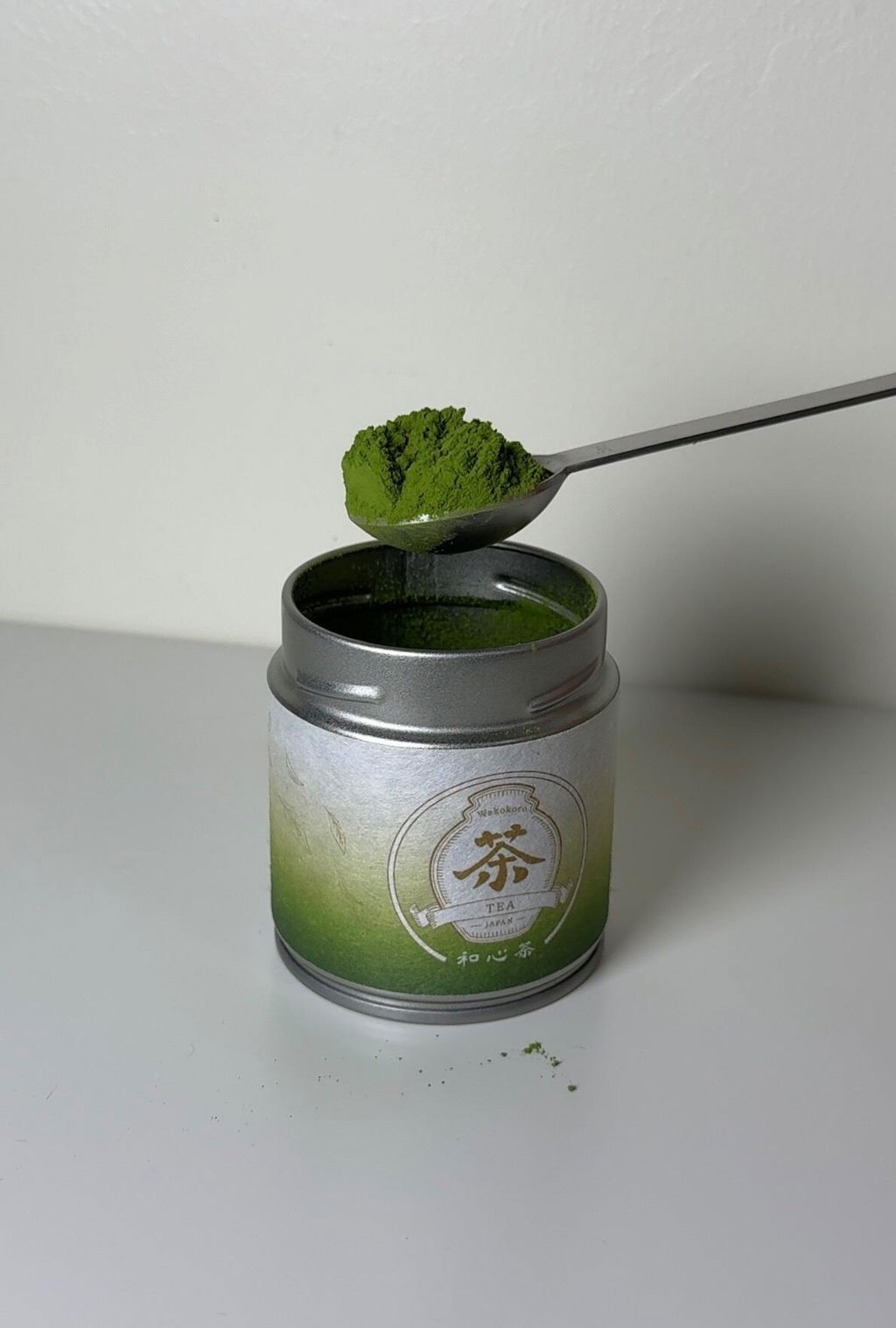
Before any water touches the matcha, have your team examine the powder itself. Encourage them to look and smell closely:
- Color: High-quality matcha is typically a vivid, deep jade green. Duller, yellowish, or olive tones often indicate lower grades or older leaf.
- Texture: Finer, silkier powder generally reflects more careful stone milling.
- Aroma: Fresh matcha often carries a sweet, grassy, almost marine fragrance. Flat or hay-like aromas can signal age or lesser quality.
Have everyone jot down first impressions. This trains the habit of reading a matcha before tasting it — a skill baristas use daily when checking product freshness.
Evaluate the Whisked Bowl
Once each sample is prepared, guide your team through a consistent evaluation sequence. Tasting in a repeatable order makes it easier to compare notes afterward.
- Appearance: Does the surface hold a fine, even foam? A smooth, lump-free crema suggests good quality and proper whisking.
- Aroma: Invite them to note the first scent rising from the bowl — vegetal, nutty, sweet, oceanic, or roasted.
- Body and texture: Is the mouthfeel thin and watery or rich and creamy? Premium matcha often feels notably smooth.
- Flavor: Here is where the grades reveal themselves most clearly.
- Finish: Does a pleasant sweetness linger, or does bitterness dominate the aftertaste?
Building a Shared Vocabulary
Matcha has its own flavor landscape, and giving your team words to describe it is one of the most valuable outcomes of the session. Introduce the concept of umami (a savory, brothy depth) early, since it defines much of what makes fine matcha special. A high-quality ceremonial matcha is often described as having pronounced umami balanced by natural sweetness and gentle astringency.
Offer a tasting vocabulary your team can pull from, such as:
- Sweet notes: fresh grass, snap peas, steamed greens, honeydew
- Savory notes: seaweed, broth, spinach, a creamy richness
- Nutty or roasted notes: chestnut, toasted grain, cocoa
- Challenging notes: sharp bitterness, drying astringency, flatness
Encourage honest language. If a culinary grade tastes bold and slightly bitter, that is not a flaw — it is exactly why it performs well in a latte where milk and sweetness round it out. Helping staff connect flavor to application is the heart of good training.
Connecting Grade to Use and Price
Once everyone has tasted through the lineup, step back and discuss what distinguishes each grade. This is the moment where abstract words like "ceremonial" and "culinary" become tangible.
Why Price Varies
Help your team understand that price reflects real differences in cultivation and processing. Finer matcha is typically made from young, first-harvest leaves shaded for several weeks, carefully deveined, and stone-milled slowly. Lower grades may use later harvests or less selective leaf. When a customer asks why a bowl of premium matcha costs more, your baristas should be able to explain the craftsmanship behind it with genuine respect for the growers.
Matching Matcha to the Menu
Close the discussion by mapping each sample to its ideal use:
- Ceremonial grade: best whisked and served straight, where its nuance shines
- Daily grade: versatile for both light drinks and casual bowls
- Culinary or latte grade: built to hold its own against milk, syrup, and ice
This framework gives your staff an instant answer when a customer is unsure what to order.
Making It Stick
A single tasting is a strong start, but repetition builds mastery. Consider these follow-up habits:
- Keep a set of tasting notes posted in the back of house for reference
- Run a brief refresher whenever a new matcha arrives
- Invite staff to taste blind occasionally to test their developing palates
- Encourage baristas to share customer questions so the team can refine their answers together
Over time, these small rituals transform a group of order-takers into confident guides who can speak about matcha with warmth and authority.
If you are planning a tasting for your own team and want matcha that clearly showcases the range from everyday to exceptional, the team at Wakokoro Tea would be glad to help you build a sampling lineup suited to your cafe. Reach out to us to source authentic Japanese matcha chosen with the same care your baristas are learning to recognize — and give your staff the tools to share it beautifully with every customer.