
How to Make Iced Matcha: Shaken, Whisked, or Cold-Brewed
Wakokoro TeaShare
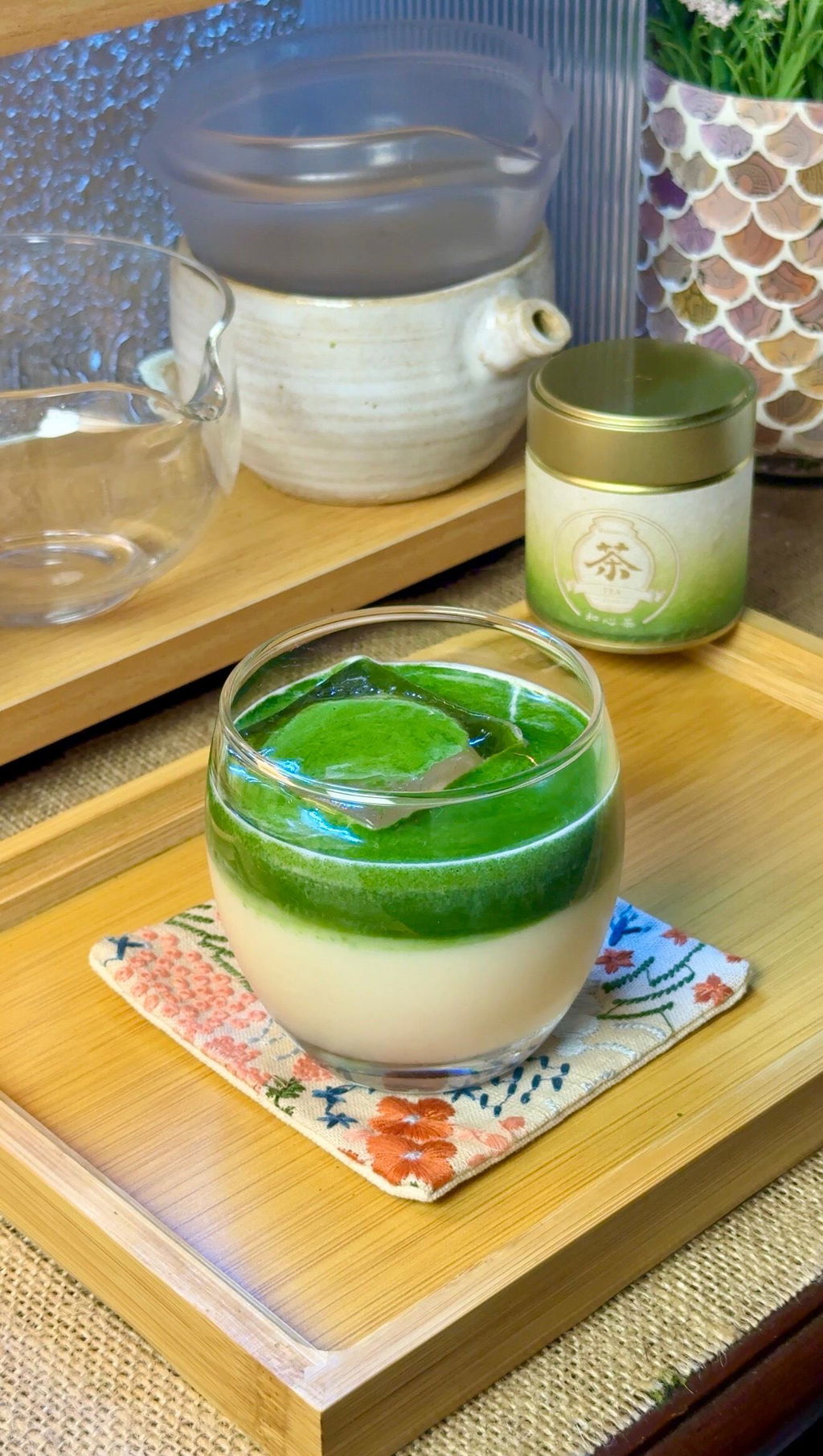
When the weather warms, few drinks feel as refreshing as a glass of iced matcha — its jade-green color catching the light, its flavor at once grassy, sweet, and faintly savory. Yet anyone who has tried to make it at home knows the frustration of clumpy powder, bitter notes, or a drink that separates into a sad layer of sediment within minutes. The truth is that iced matcha is a little more demanding than its hot counterpart. Cold water doesn't dissolve matcha as readily, and ice dilutes and mutes flavor if you aren't careful.
The good news is that there isn't just one correct approach. Three methods — shaken, whisked, and cold-brewed — each produce a genuinely different result in texture, aroma, and intensity. Understanding how they differ lets you choose the right technique for the moment, whether you're serving a crowd at a cafe or quietly making a single glass for yourself. Let's explore all three.
Start With the Right Matcha
Before method, there is material. The quality and grade of your matcha will shape the finished drink far more than any shaking or whisking technique. For iced preparations, you have a little more flexibility than you might for a traditional hot usucha (thin tea), because cold temperatures tend to soften bitterness and the addition of milk or sweetener can carry a sturdier flavor.
That said, a few principles hold true. Ceremonial-grade matcha — made from young, shade-grown leaves and stone-ground to a fine powder — delivers the cleanest sweetness and the vivid green color most people want in an iced drink. Culinary or latte-grade matcha is designed to stand up to milk and ice, offering a bolder, more robust profile at a friendlier price point for high-volume service. Neither is "better"; they simply suit different goals.
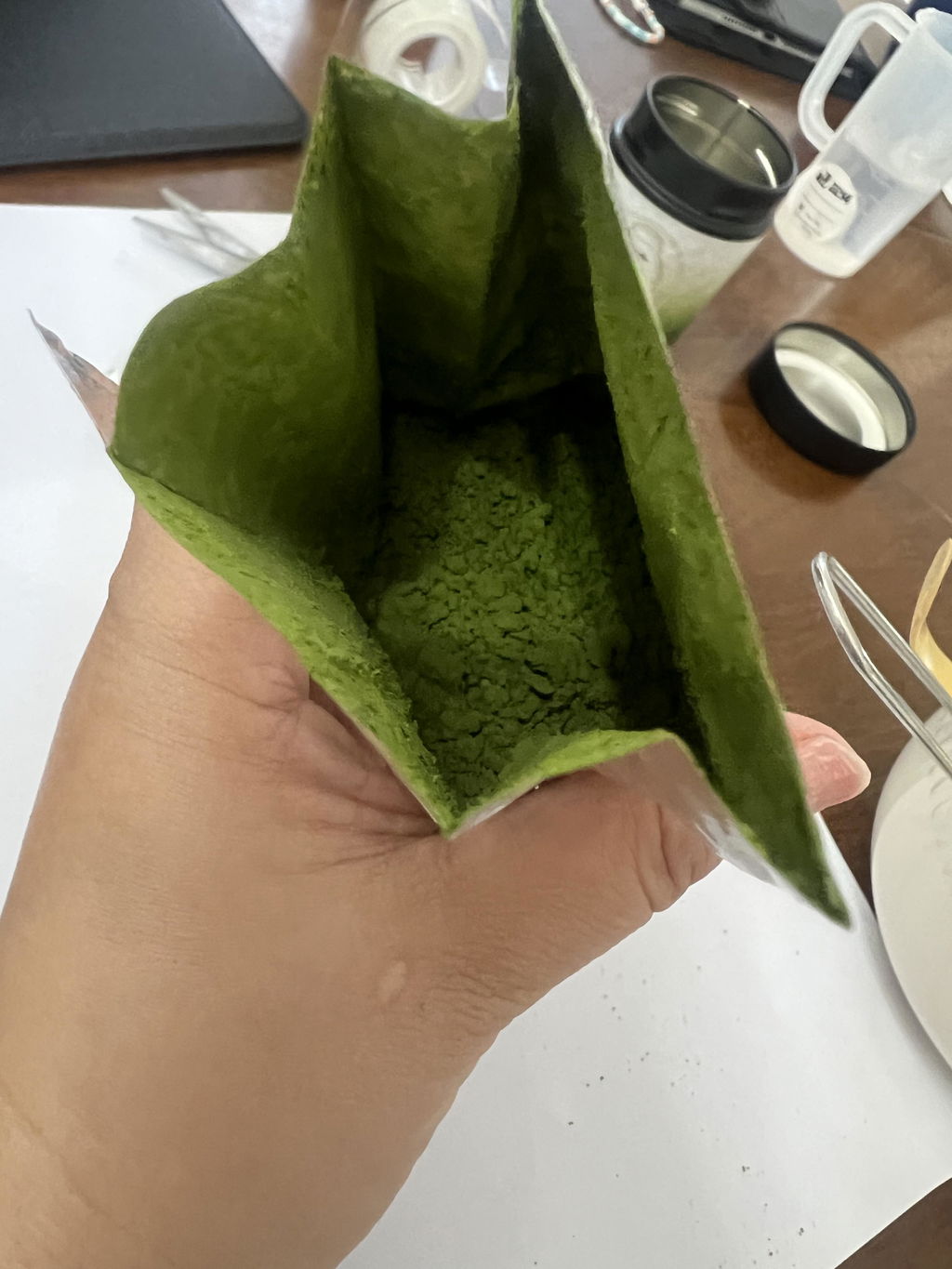
Whichever you choose, always sift your matcha before use. Matcha is prone to clumping as it sits, and even the finest powder forms tiny lumps that refuse to dissolve in cold liquid. Pressing it through a fine mesh strainer takes seconds and spares you the grainy texture that ruins so many homemade iced matchas.
Method One: Shaken Iced Matcha
The shaken method is fast, forgiving, and perfect for a single serving or a busy cafe counter. It mimics the way baristas prepare shaken espresso drinks, using a sealed container and vigorous motion to disperse the powder.
How to Make It
- Sift 2 grams of matcha (roughly one slightly heaped teaspoon) into a cocktail shaker or a jar with a tight lid.
- Add a small splash — about 30 ml — of room-temperature or cool water first, and swirl to form a smooth paste. This "blooming" step helps the powder hydrate before you introduce ice.
- Fill the shaker with ice and add 150 ml of cold water.
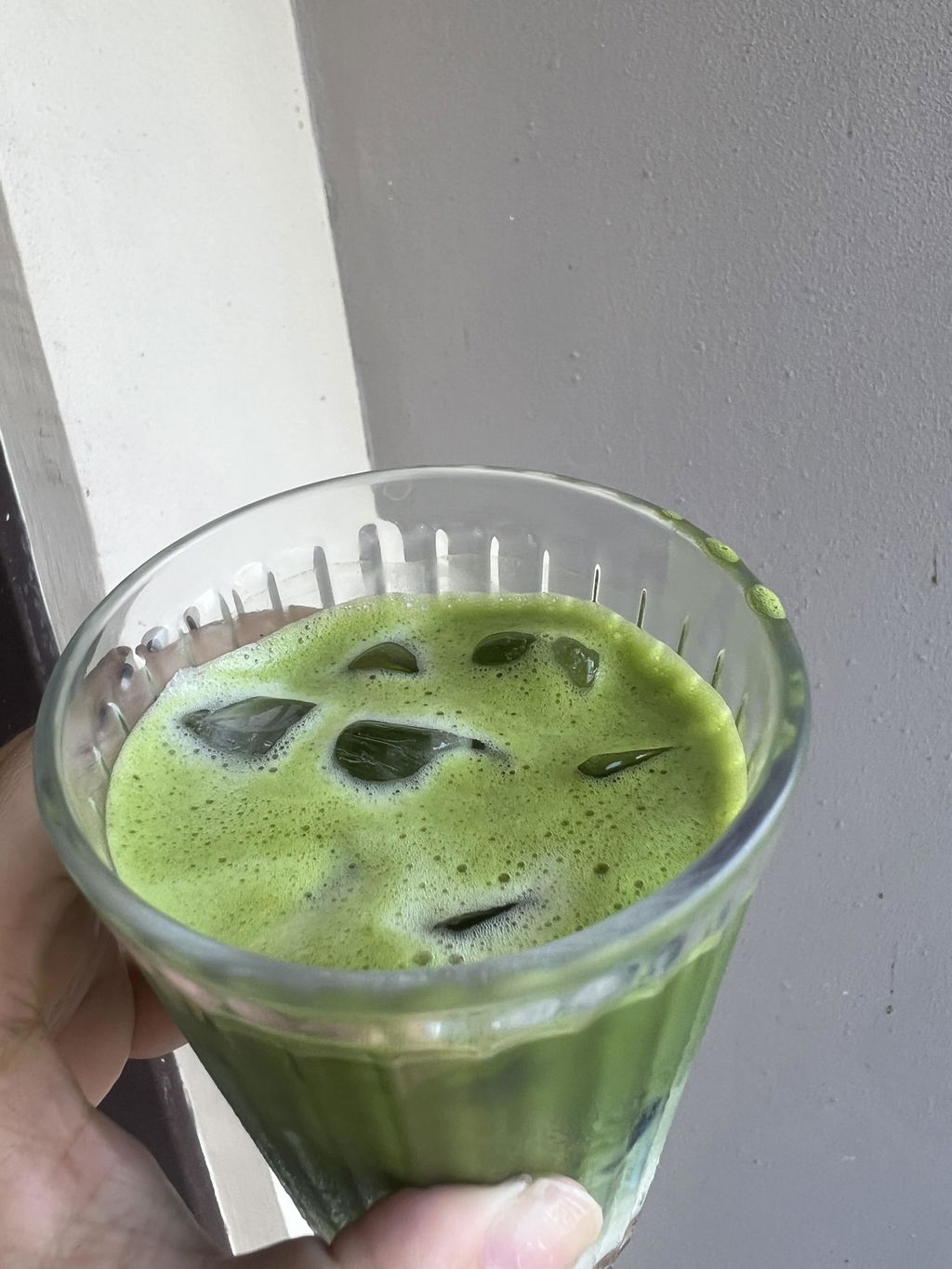
- Seal tightly and shake hard for 15 to 20 seconds, until the surface develops a fine, even foam.
- Pour everything, ice included, into your serving glass.
Texture and Flavor
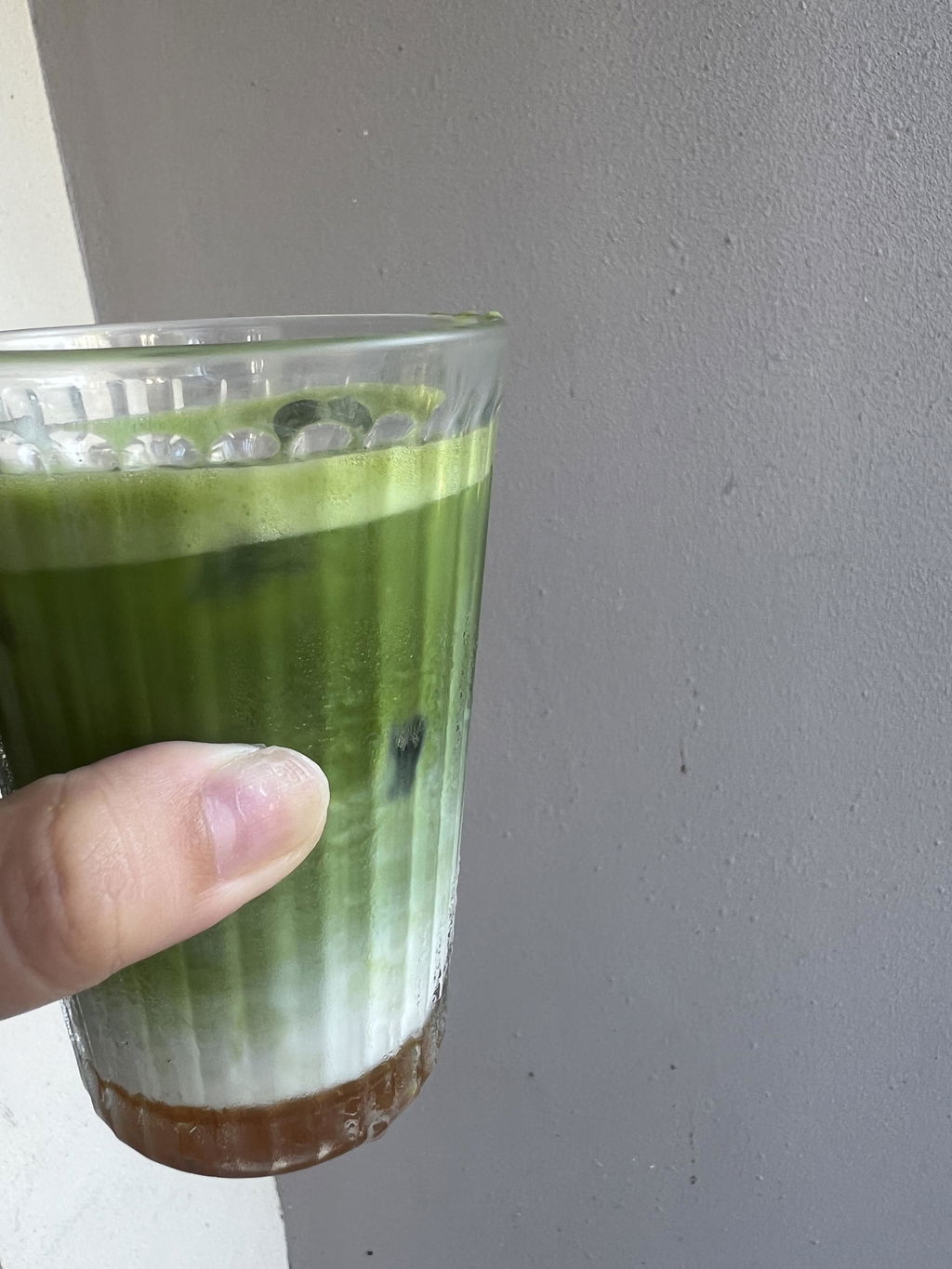
Shaking introduces air, creating a light, frothy top layer and a brisk, lively mouthfeel. The flavor is bright and immediate, with the natural astringency of matcha slightly tamed by the aeration. It's the most "awake" tasting of the three methods.
Common Mistakes
- Skipping the paste step: Adding dry powder straight to cold water and ice almost guarantees clumps that cling to the shaker walls.
- Under-shaking: A quick jostle isn't enough. The foam and full dispersion come only with committed, vigorous shaking.
- Serving too slowly: Shaken matcha is best enjoyed immediately, while the froth is intact.
Method Two: Whisked Iced Matcha
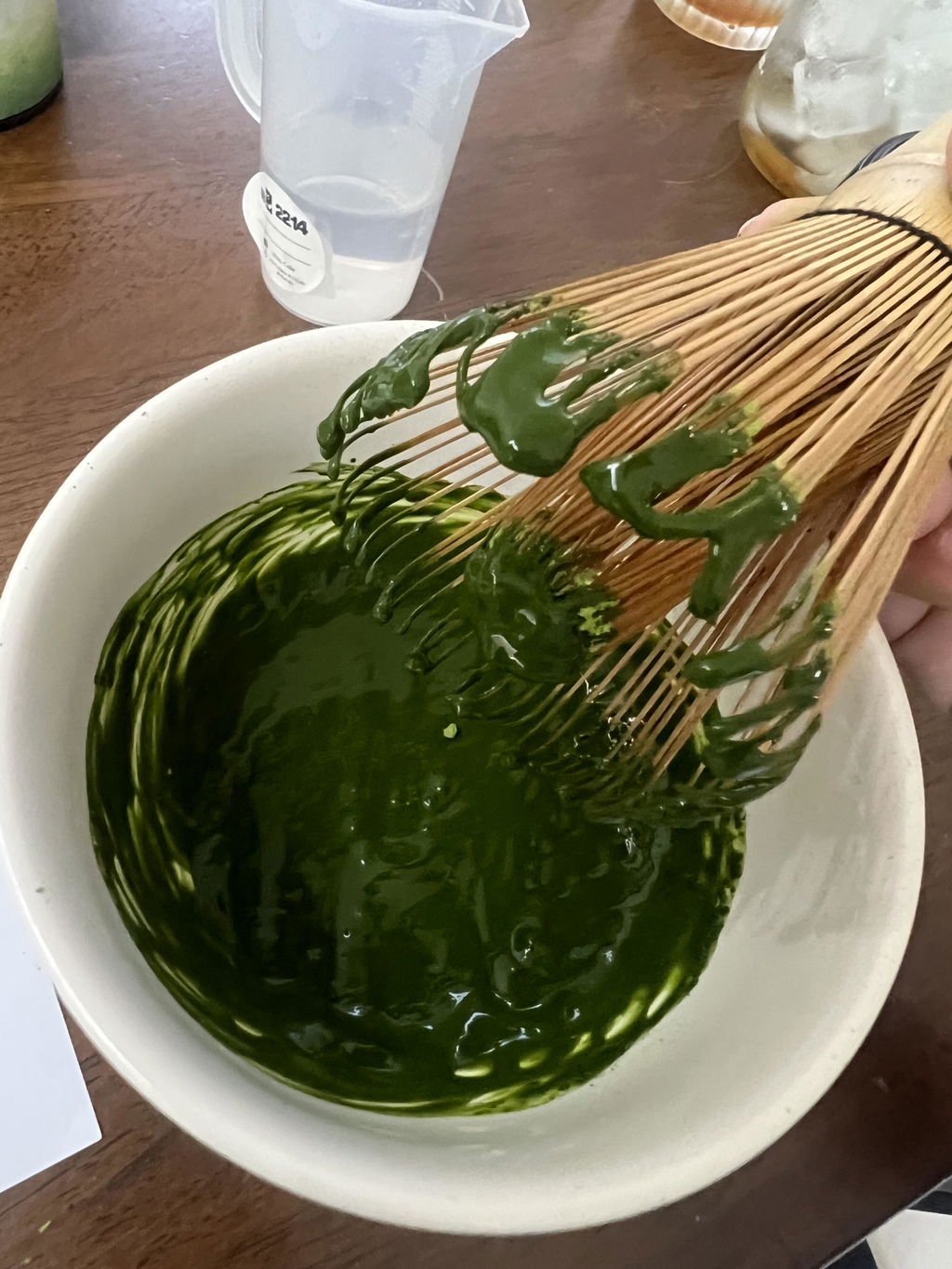
The whisked method stays closest to tradition. It uses a chasen (bamboo whisk) to prepare a concentrated matcha base, which is then poured over ice. This approach gives you the greatest control over flavor and the most authentic connection to Japanese tea practice.
How to Make It
- Sift 2 grams of matcha into a chawan (tea bowl) or any wide, shallow vessel.
- Add about 60 ml of cool or lukewarm water — not hot, as heat can dull the color and encourage bitterness in an iced drink.
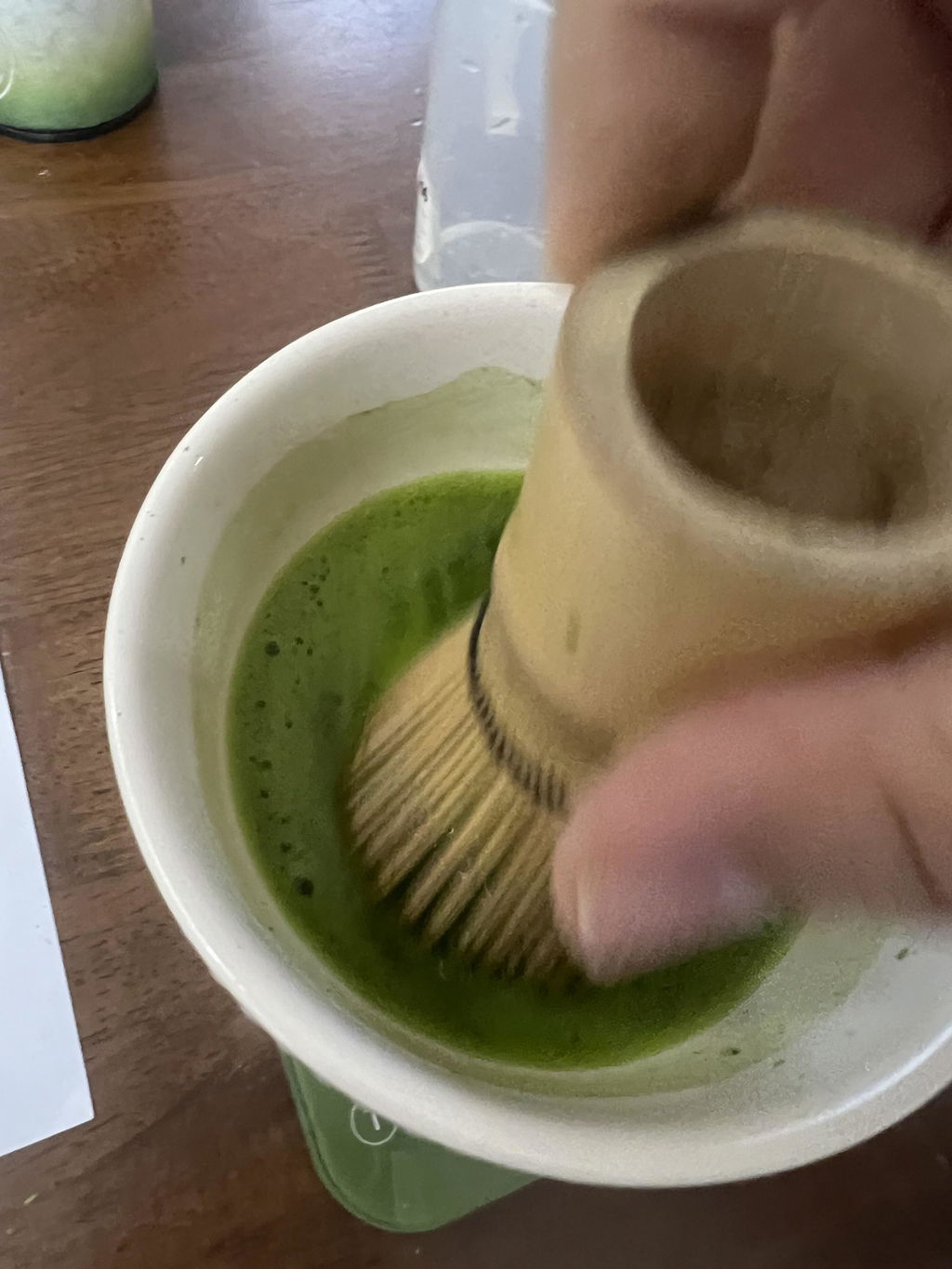
- Whisk briskly in a "W" or "M" motion with your chasen, keeping your wrist loose, for 20 to 30 seconds until a fine foam forms.
- Fill a glass with ice, then pour the whisked matcha over the top.
- Top with additional cold water or milk to taste, usually around 100 ml.
Texture and Flavor
Whisking produces the most refined result — a silky, full-bodied drink with a delicate microfoam and the truest expression of the matcha's character. Because you prepare a concentrate first, you taste the leaf itself most clearly here. This is the method to choose when you've invested in a high-grade matcha and want to honor it.
Common Mistakes
- Using hot water: Many people instinctively reach for hot water, but for iced matcha, cooler water preserves the sweetness and the brilliant green hue.
- Whisking from the wrist's base: The foam comes from quick, light movements of the forearm and wrist, not from pressing the whisk hard against the bowl.
- Pouring over too little ice: A generous bed of ice keeps the concentrate cold on contact and prevents a lukewarm, flat result.
Method Three: Cold-Brewed Iced Matcha
Cold brewing is the slowest method and, for some, the most rewarding. Rather than whisking or shaking, you let matcha steep gently in cold water over time, allowing flavors to develop with almost no bitterness. It's ideal for batch preparation and for anyone who prefers a mellow, smooth cup.
How to Make It
- Sift 4 grams of matcha into a sealable bottle or jar.
- Add a small splash of cold water and shake or stir to form a paste, breaking up any remaining clumps.
- Add 500 ml of cold, filtered water.
- Seal and shake well for 10 to 15 seconds.
- Refrigerate for at least 2 hours, or overnight for a deeper flavor. Shake again before serving over ice.
Texture and Flavor
Cold-brewed matcha is exceptionally smooth, with a rounded sweetness and almost no astringency. It lacks the frothy top of the other methods, offering instead a clean, juice-like clarity. Because it is often said that cooler, slower extraction draws out less of matcha's harsher compounds, many people find this the gentlest and most sessionable version.
Common Mistakes
- Not shaking before serving: Matcha naturally settles during long steeping, so a final shake is essential to redistribute the powder.
- Over-diluting: Cold brew is already delicate; adding ice that melts into an already-mild base can leave it watery.
- Letting it sit too long: While cold brew keeps for a day or two refrigerated, its fresh aroma fades, so brew in small, frequent batches for the best experience.
Which Method Should You Choose?
There is no single winner — only the right tool for your moment. Reach for the shaken method when speed and a lively, frothy drink matter most, especially for cafe service. Choose the whisked method when you want the purest, most traditional expression of a fine matcha. Turn to cold brew when you crave smoothness, plan to batch ahead, or want the mellowest possible cup on a hot afternoon.
A quick note on caffeine, which comes up often: matcha is traditionally associated with a steady, gentle kind of energy, thanks in part to the amino acid L-theanine naturally present in shade-grown tea leaves. Different brewing temperatures and times can affect how much of the leaf's compounds you extract, though individual experiences vary and we'd encourage you to simply find the cup that feels right for you.
At Wakokoro Tea, we take pride in sourcing stone-ground matcha from dedicated Japanese growers who have refined their craft across generations — the kind of quality that rewards whichever method you choose. If you're ready to find a matcha worthy of your next iced creation, we'd be glad to help you select one and share more guidance along the way. Reach out to our team, and let's bring a little more of Japan's tea heritage into your glass.