
How to Choose Matcha for Wholesale Use: A Practical Guide for Cafés and Buyers
Wakokoro TeaShare
Choosing matcha for a café or wholesale business is a very different exercise from selecting a tin for your own kitchen. When you serve dozens — or hundreds — of drinks each day, small differences in color, texture, and taste become magnified. A matcha that performs beautifully in a quiet moment of solo whisking may behave quite differently under a busy espresso bar, blended into steamed milk, or shaken over ice. For buyers, the goal is not simply to find good matcha, but to find the right matcha: one that is consistent, dependable, and suited to the way it will actually be used.
This guide is written for café owners, roasters, and wholesale buyers who want to make informed sourcing decisions. We'll walk through the qualities that matter most at scale — consistency, solubility, flavor in milk-based drinks, packaging, and order logistics — so you can evaluate suppliers with clarity and confidence.
Understanding Grades: Ceremonial vs. Culinary Matcha
Before comparing products, it helps to understand how matcha is generally categorized. Matcha (finely stone-ground green tea powder) is often loosely described as either "ceremonial grade" or "culinary grade." These are marketing terms rather than regulated classifications, but they point to real differences.
Ceremonial-style matcha is typically made from young, early-harvest leaves and is intended to be enjoyed simply with hot water. It tends to be smoother, sweeter, and more vibrant in color. Culinary-style matcha is usually made for cooking, baking, and blending, and is designed to hold its character when combined with other ingredients such as milk, sugar, or ice.
For most café applications — lattes, iced drinks, smoothies, and desserts — a well-made culinary or "café grade" matcha often makes more practical and economic sense than a delicate ceremonial powder. That said, cafés serving traditional usucha (thin whisked tea) or premium hot matcha may want a higher tier as well. Many businesses stock two grades: one for signature milk drinks and one for purists.
Why Consistency Is the Wholesale Priority
For a home drinker, batch-to-batch variation is part of matcha's seasonal charm. For a business, it can be a headache. If your matcha latte tastes bright and grassy one month and dull or bitter the next, customers notice — and your recipes, pricing, and training all suffer.
Consistency should therefore be near the top of your evaluation checklist. When assessing a supplier, consider the following:
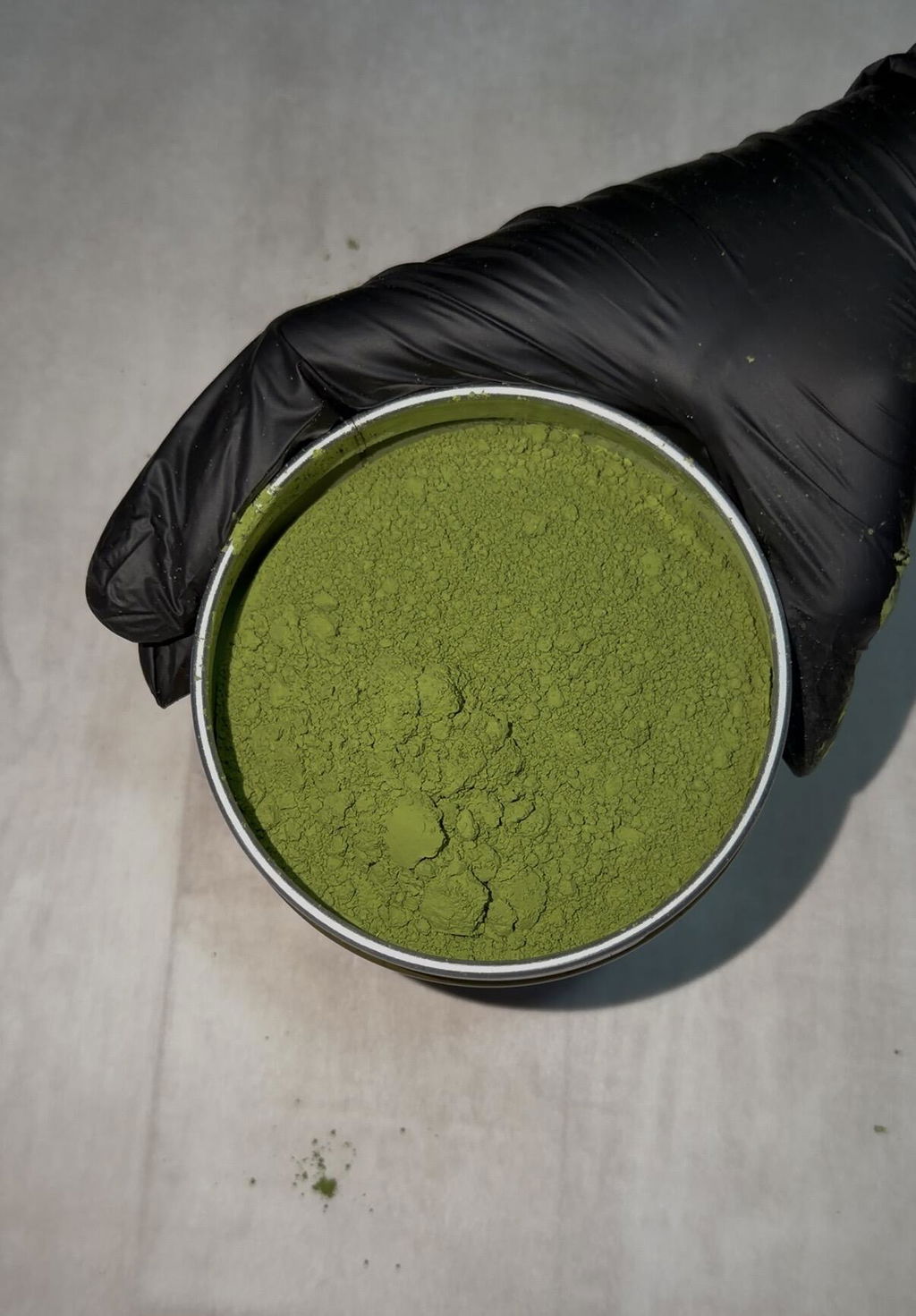
- Color stability: A reliable matcha maintains a similar vivid green across orders. Dull, yellowish, or brownish tones can indicate oxidation, older leaves, or inconsistent processing.
- Flavor repeatability: Ask whether the supplier blends leaves to a target profile. Blending across fields and harvests, done skillfully, actually helps reduce variation rather than compromise quality.
- Particle uniformity: Traditional stone milling produces an extremely fine, even powder. Uneven grinding affects both texture and how the matcha dissolves.
A trustworthy wholesale partner should be able to explain how they maintain consistency and, ideally, provide the same product reliably over time. This predictability is what allows you to standardize recipes and train staff with confidence.
Solubility and Texture in Practice
Solubility — how smoothly the powder disperses into liquid — is one of the most important yet overlooked qualities for high-volume use. Matcha does not truly "dissolve" like sugar; it forms a suspension. But a finely milled, well-processed matcha will blend cleanly, resist clumping, and stay integrated in the cup longer.
What Poor Solubility Looks Like
If a matcha clumps stubbornly, leaves grit at the bottom of the glass, or separates quickly in iced drinks, it will slow down service and frustrate baristas. In a busy café, no one has time to sieve and whisk every order to perfection.
Testing Solubility Before You Commit
When trialing samples, replicate your real workflow rather than an idealized one. Try:
- Mixing the matcha the way your staff actually will — with a whisk, frother, blender, or shaker.
- Preparing it both hot and cold, since cold water is far less forgiving.
- Letting the drink sit for several minutes to observe how quickly it settles.
A matcha that performs well under these conditions will make daily service noticeably smoother.
Flavor Profile for Milk-Based Drinks
The single most common mistake in café sourcing is choosing matcha based on how it tastes in water alone. Milk changes everything. Dairy and plant-based milks are rich, sweet, and fatty, and they can easily overpower a delicate matcha, muting its aroma and flavor until little green character remains.
For milk-based drinks, you generally want a matcha with:
- Bold, pronounced flavor: A stronger umami and vegetal backbone will cut through milk and remain recognizable.
- A slightly robust, even mildly astringent character: A touch of briskness helps the matcha assert itself, whereas an ultra-smooth, subtle powder may simply disappear.
- Deep color: Customers eat with their eyes first, and a vivid green latte signals quality before the first sip.
This is precisely why a premium ceremonial matcha is not always the best choice for lattes — its nuance is lost, and its higher price is wasted. A purpose-made café matcha often delivers a more satisfying, photogenic, and cost-effective drink.
Don't Forget Plant-Based Milks
Oat, almond, soy, and coconut milks each interact with matcha differently, altering sweetness, body, and how the color reads in the cup. If plant-based drinks are popular with your customers, test your candidate matcha with the specific milks you serve. What tastes balanced in dairy may need adjusting in oat milk, and vice versa.
Packaging and Freshness
Matcha is delicate. It is sensitive to light, heat, oxygen, and moisture, all of which degrade its color and flavor over time. For wholesale buyers moving larger volumes, packaging is both a freshness and a workflow consideration.
- Protective materials: Look for opaque, airtight packaging, ideally with resealable closures or nitrogen-flushed bags that limit oxidation.
- Practical sizes: Bulk bags reduce cost per gram, but once opened, matcha begins to decline. Choose pack sizes you can realistically use within a few weeks of opening, or portion them into smaller working containers.
- Clear labeling: Harvest information, origin, and best-before dates help you manage stock rotation and reassure your own customers.
Proper storage on your end matters just as much. Keep sealed matcha cool and away from light, and open only what you'll use in the near term to preserve that fresh, vivid character.
Minimum Orders, Pricing, and Supplier Relationships
Wholesale sourcing is ultimately a partnership, and the commercial terms deserve careful thought. Minimum order quantities vary widely between suppliers, and the lowest price per kilo is not always the best value once you factor in freshness, consistency, and reliability.
When evaluating a potential partner, consider asking:
- What are the minimum order quantities, and how do they scale as you grow?
- How frequently can you reorder, and what are typical lead times?
- Are samples available so you can test before committing to volume?
- How is the matcha stored and shipped to protect freshness in transit?
- Can the supplier maintain the same profile as your business expands?
A good wholesale relationship should feel collaborative. The right partner will help you match the grade and volume to your actual needs rather than pushing you toward the largest possible order.
Bringing It All Together
Choosing matcha for wholesale use comes down to aligning the product with reality: how your staff prepare it, how your customers drink it, and how quickly you move through stock. Prioritize consistency so your recipes stay reliable, solubility so service runs smoothly, and a flavor profile bold enough to shine through milk. Then confirm that packaging protects freshness and that order terms fit your scale. Approached this way, sourcing becomes far less guesswork and far more informed decision-making.
If you're refining your café menu or building out a wholesale program, the team at Wakokoro Tea would be glad to help you find matcha suited to your drinks, your volume, and your standards. Reach out to request samples and let's find the right match for your business together.