
Culinary vs Ceremonial Matcha: What's the Difference?
Wakokoro TeaShare
Walk into any specialty café or browse an online tea shop, and you will likely encounter two familiar phrases: "ceremonial grade" and "culinary grade" matcha. For newcomers, the labels can feel confusing—even a little intimidating. Is one simply better than the other? Are you making a mistake if you bake with ceremonial matcha, or whisk a bowl of the culinary kind? The honest answer is that these categories describe differences in character and intended use far more than they describe a strict hierarchy of quality. Understanding what sets them apart will help you make choices that suit your palate, your purpose, and your budget.
At Wakokoro Tea, we believe that the more you understand about how matcha is grown and processed, the more confidently you can select the right one for any occasion. Let us walk through what these terms really mean.
What Matcha Actually Is
Before comparing grades, it helps to remember what makes matcha (powdered green tea) distinct from other Japanese teas. Unlike sencha or gyokuro, which are steeped and strained, matcha is the whole leaf—stone-ground into a fine powder and whisked directly into water. When you drink matcha, you consume the entire leaf, which is part of why its flavour, colour, and texture matter so much.
Matcha begins as tencha (the shade-grown leaf used specifically for matcha production). In the weeks before harvest, the tea plants are covered to reduce direct sunlight. This shading encourages the leaves to produce more chlorophyll and amino acids, which contributes to matcha's vivid green hue and its characteristic savoury depth, often described as umami (a rich, brothy savouriness). After harvest, the leaves are steamed, dried, and carefully de-stemmed and de-veined before being milled into powder.
The quality of that final powder depends on many factors: the age of the leaves, the duration of shading, the part of the plant used, the growing region, and the precision of the milling. These variables are what ultimately shape whether a matcha is best enjoyed on its own or blended into a recipe.
Understanding Ceremonial Matcha
Ceremonial matcha refers to the highest tiers of matcha, traditionally intended to be whisked with hot water and enjoyed plain—without milk, sweeteners, or other ingredients. The name evokes chanoyu (the Japanese tea ceremony), where matcha is prepared and shared with great care and mindfulness.
How It's Made
Ceremonial-grade matcha is typically produced from the youngest, most tender leaves of the first spring harvest, known as ichibancha (the first flush). These early leaves are prized for their smooth texture and delicate sweetness. The shading period tends to be longer, and the leaves are meticulously processed to remove stems and veins, leaving only the softest leaf material. The result is a powder ground so fine it feels almost silky between the fingers.
Flavour and Appearance
A well-made ceremonial matcha is vibrantly green—closer to jade than olive. On the palate, it tends to be smooth and layered, with gentle sweetness, a pronounced umami character, and little to no harsh bitterness. The finish is often lingering and clean. Because it is meant to be tasted in its purest form, subtle nuances in aroma and texture come to the forefront.
Best Uses
Ceremonial matcha shines when prepared simply:
- Usucha (thin tea)—a lighter, frothier bowl whisked with more water.
- Koicha (thick tea)—a concentrated, almost paste-like preparation using premium matcha and less water, traditionally reserved for the finest grades.
- Any moment when you want to appreciate matcha for its own sake, slowly and attentively.
This is the grade many people reach for during a quiet morning ritual, when the taste of the tea itself is the point.
Understanding Culinary Matcha
Culinary matcha is not a lesser product—it is simply made and selected with a different purpose in mind: cooking, baking, and blended drinks. Where ceremonial matcha is designed to stand alone, culinary matcha is designed to hold its character alongside other bold flavours like milk, sugar, chocolate, or citrus.
How It's Made
Culinary matcha may be produced from slightly more mature leaves or from later harvests, and the shading and processing may differ from the most delicate ceremonial lots. These choices tend to yield a more robust, assertive flavour profile. Importantly, "culinary" spans a wide range—there are everyday culinary powders and premium culinary blends crafted specifically to perform beautifully in lattes and desserts.
Flavour and Appearance
Culinary matcha is often a touch deeper or more muted in colour, and its taste is typically stronger and more astringent. That intensity is a feature, not a flaw: when you whisk matcha into steamed milk or fold it into a batter, a gentle, nuanced ceremonial powder can get lost, while a bolder culinary grade cuts through and keeps its distinctive green-tea presence.
Best Uses
Culinary matcha is wonderfully versatile:
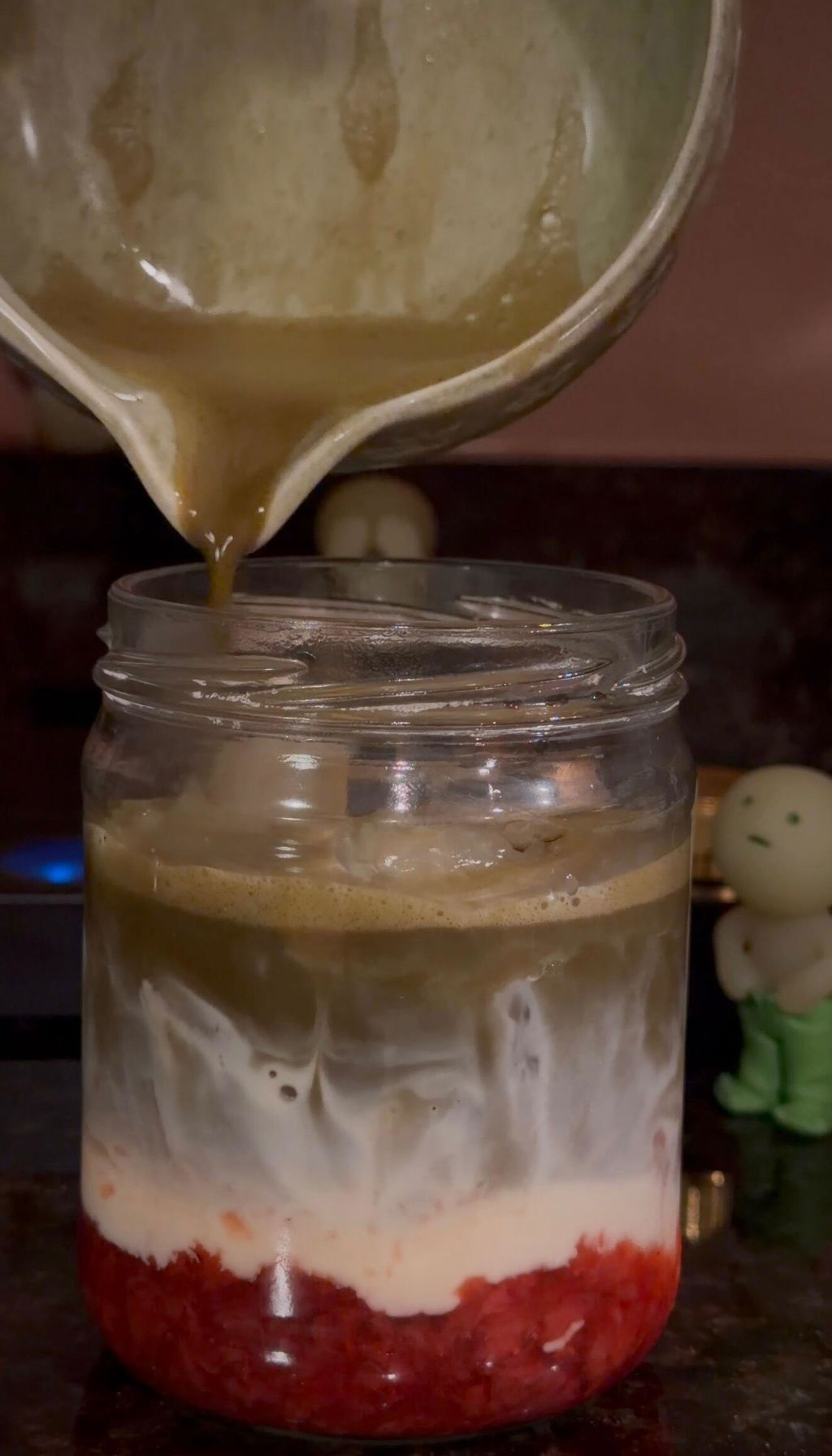
- Matcha lattes—hot or iced, where the tea needs to balance creamy milk.
- Baking—cakes, cookies, muffins, and financiers.
- Desserts—ice cream, mochi, cheesecake, and puddings.
- Smoothies and blended drinks—where a vivid colour and clear flavour are welcome.
- Savoury cooking—seasonings, sauces, and even matcha salt.
For café owners especially, a quality culinary matcha offers consistency and value at volume, ensuring every latte tastes the way customers expect.
Key Differences at a Glance
- Leaf selection: Ceremonial tends to use younger, first-harvest leaves; culinary may include later harvests or more mature leaves.
- Flavour: Ceremonial is smoother and sweeter; culinary is bolder and more astringent.
- Colour: Ceremonial is usually brighter green; culinary can be deeper or more subdued.
- Intended use: Ceremonial for drinking plain; culinary for mixing, cooking, and baking.
- Price: Ceremonial generally commands a higher price due to the labour and leaf selection involved.
Which Grade Should You Choose?
Rather than thinking in terms of "better" or "worse," it helps to ask what you want from your matcha in a given moment. If you plan to whisk a bowl and savour it slowly, a ceremonial grade will reward your attention. If you are building a drinks menu, developing recipes, or simply enjoy matcha with milk at home, a well-chosen culinary matcha is often the more practical—and more delicious—companion.
There is also plenty of room to experiment. Some tea drinkers happily whisk a premium culinary matcha for a daily cup, while others splurge on a ceremonial grade for a special latte. The "rules" are really guidelines, and your own taste is the final authority.
A Note on Caffeine and Wellbeing
Matcha naturally contains caffeine, and because you consume the whole leaf, a bowl of matcha is often said to provide a steadier, gentler lift than some other caffeinated drinks. Matcha is also traditionally associated with a sense of calm focus, something many people attribute to the combination of caffeine and L-theanine (an amino acid found in tea). While some research suggests these compounds may work together in interesting ways, matcha is best appreciated first and foremost as a flavourful, culturally rich beverage.
Buying With Confidence
Whichever grade suits you, look for a few reassuring signs: a vivid green colour, a fresh and grassy aroma, a fine and even texture, and clear information about the harvest and origin. Reputable suppliers are transparent about where their matcha comes from and how it is intended to be used—and they are happy to help you match a grade to your goals.
Whether you are preparing to whisk your very first bowl, refining the matcha latte on your café menu, or sourcing in larger quantities for your business, the team at Wakokoro Tea is here to guide you toward the grade that fits your needs. Reach out to us, sample our selection, and let us help you bring the authentic character of Japanese matcha to every cup and creation.