
Costing a Matcha Latte: Understanding Margins per Serving
Wakokoro TeaShare
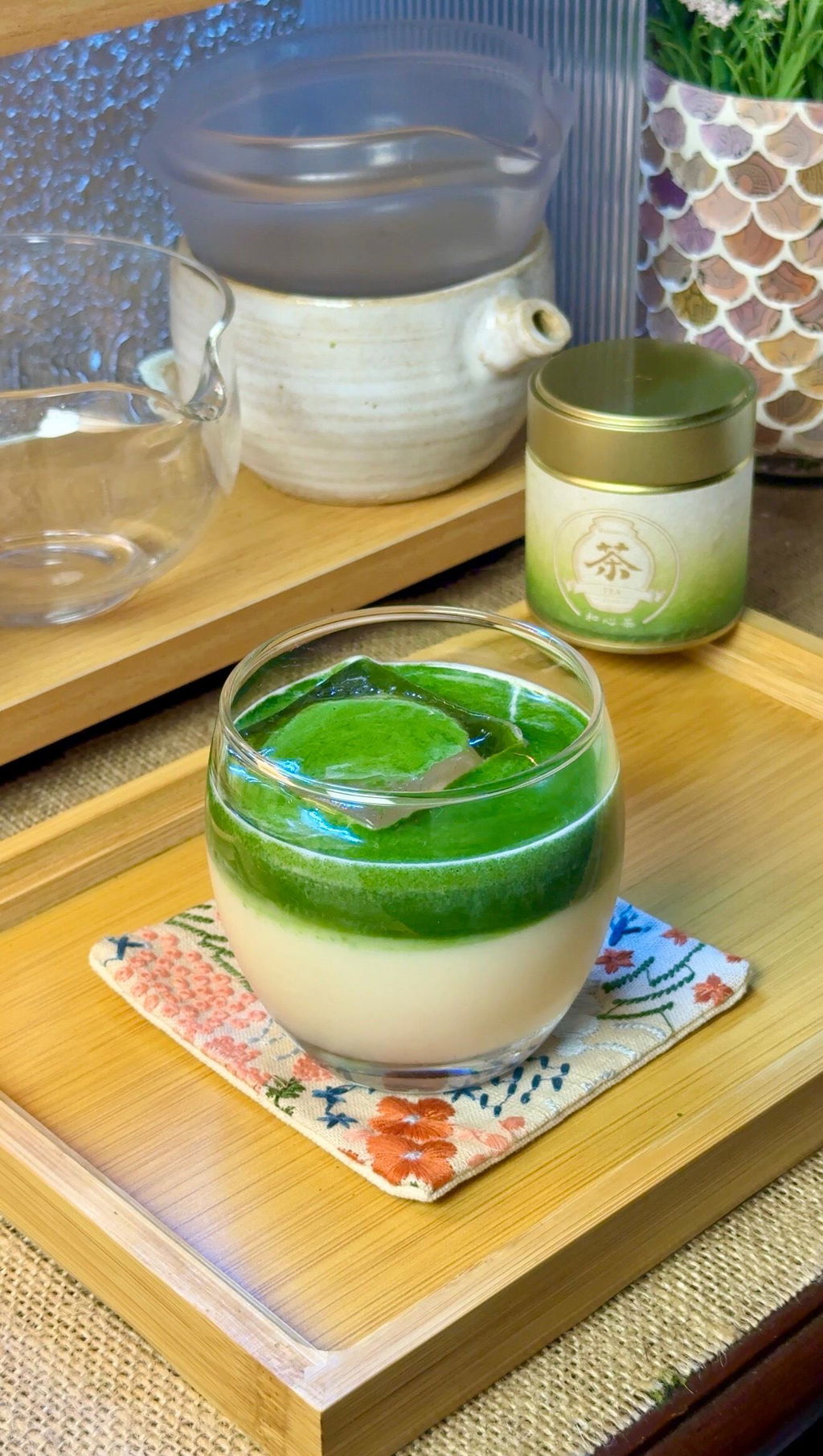
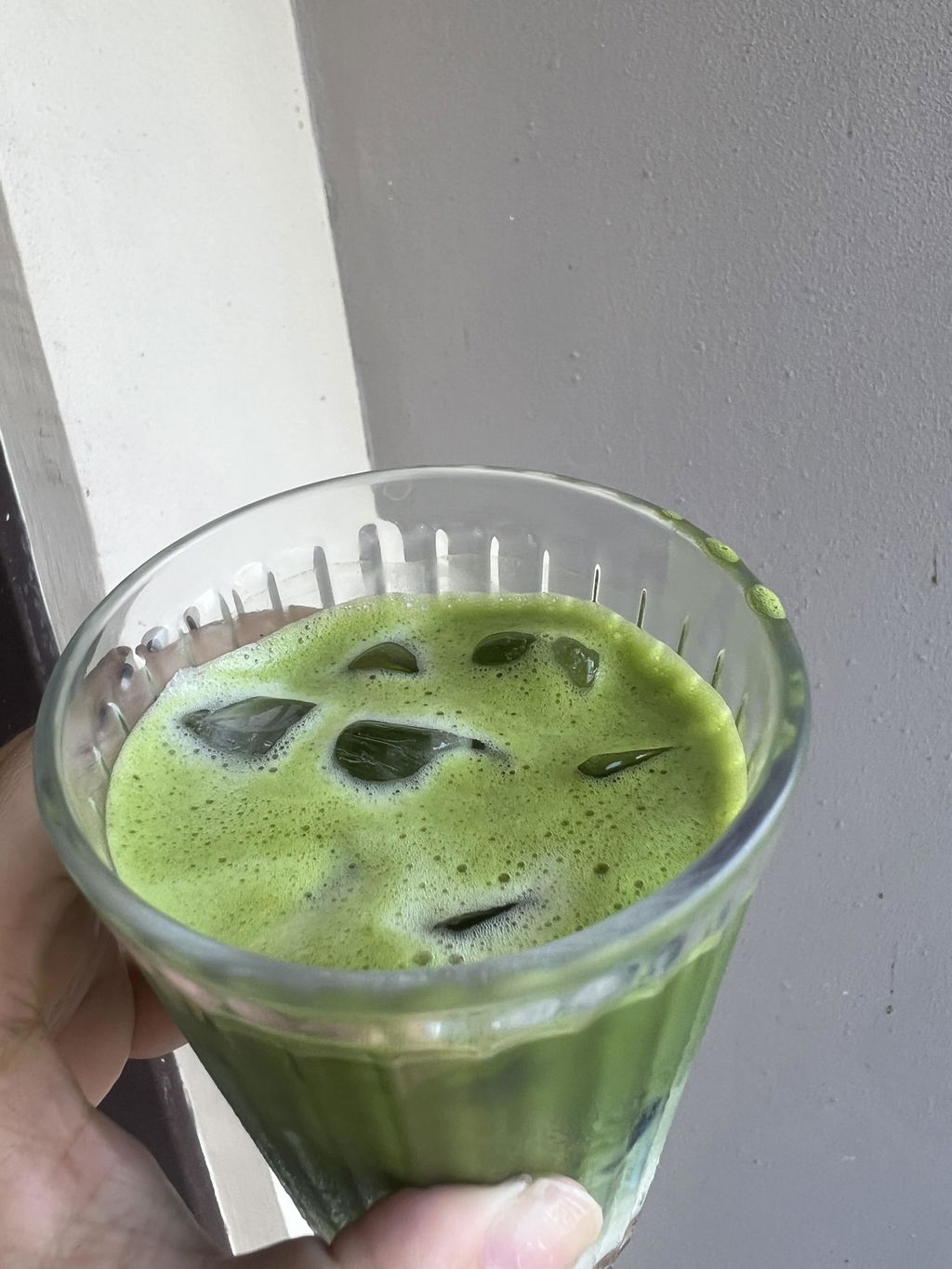
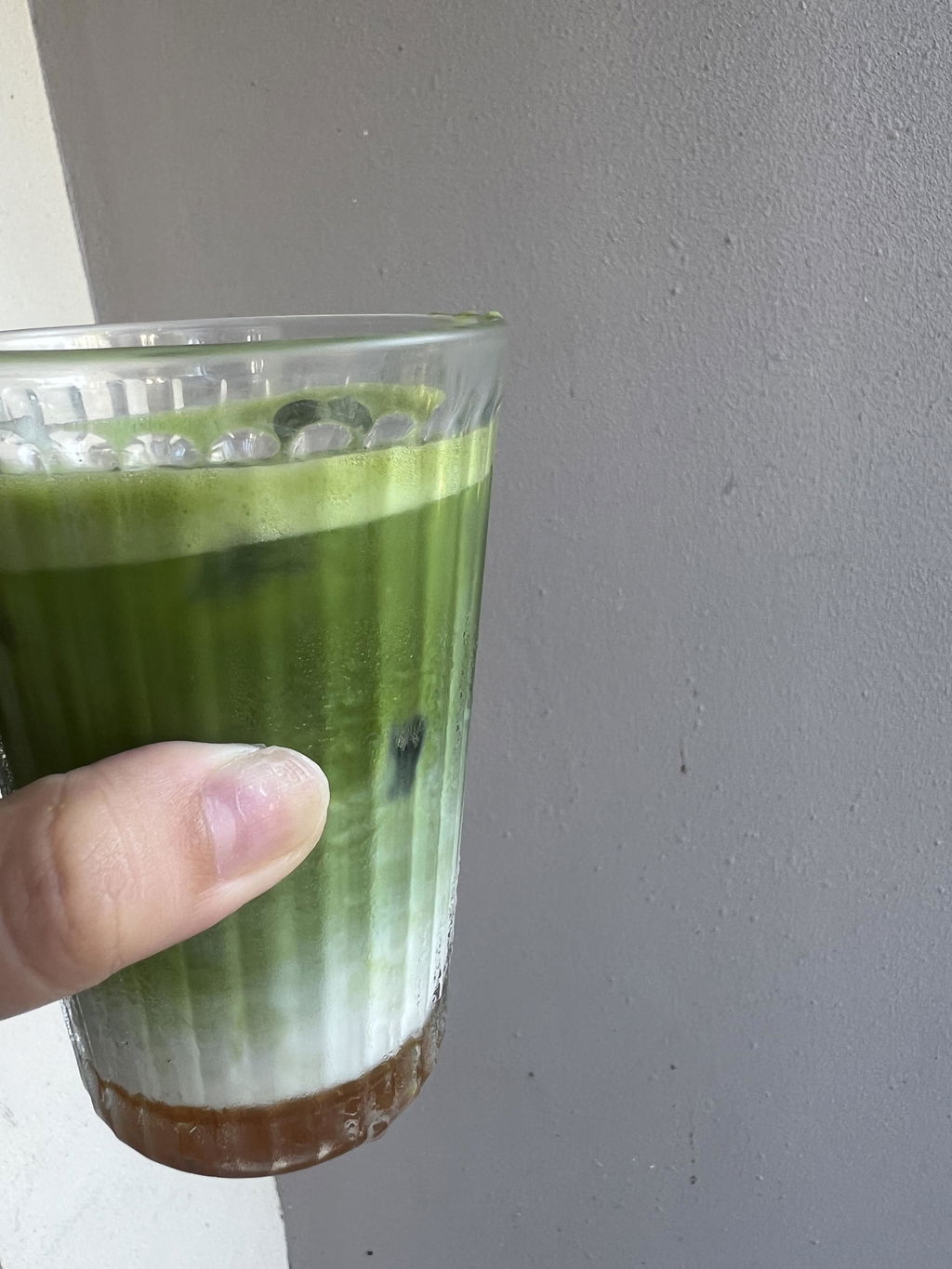
Few drinks have captured the modern cafe menu quite like the matcha latte. Its vivid green hue, gentle vegetal sweetness, and the sense of ritual it carries have made it a favourite among customers seeking something beyond the familiar coffee lineup. Yet for many cafe owners, one question lingers behind the counter: can you serve genuinely good matcha and still make a healthy margin? The short answer is yes — but only when you understand exactly where your money goes in each cup. In this guide, we'll walk through the real economics of a matcha latte, gram by gram, so you can price with confidence.
Why Matcha Costing Feels Complicated
Unlike a shot of espresso, where the cost per serving is well understood across the industry, matcha pricing can feel opaque. Prices range enormously — from inexpensive culinary powders to prized ceremonial grades — and the quality difference is immediately visible in the cup. A low-grade matcha brewed into a latte can taste bitter, dull, and flat, while a well-chosen one delivers smooth umami and a lingering natural sweetness.
The instinct for some owners is to reach for the cheapest tin to protect margins. But this often backfires: customers notice, repeat orders fall, and the drink loses its premium appeal. The better approach is to treat matcha like any serious ingredient — understand its cost per serving, price accordingly, and let quality become part of your story.
Breaking Down the Cost of a Single Serving
Let's build the cost of a matcha latte from the ground up. We'll use round figures for clarity, but you can slot in your own supplier prices and local costs to refine the math.
1. The Matcha Itself
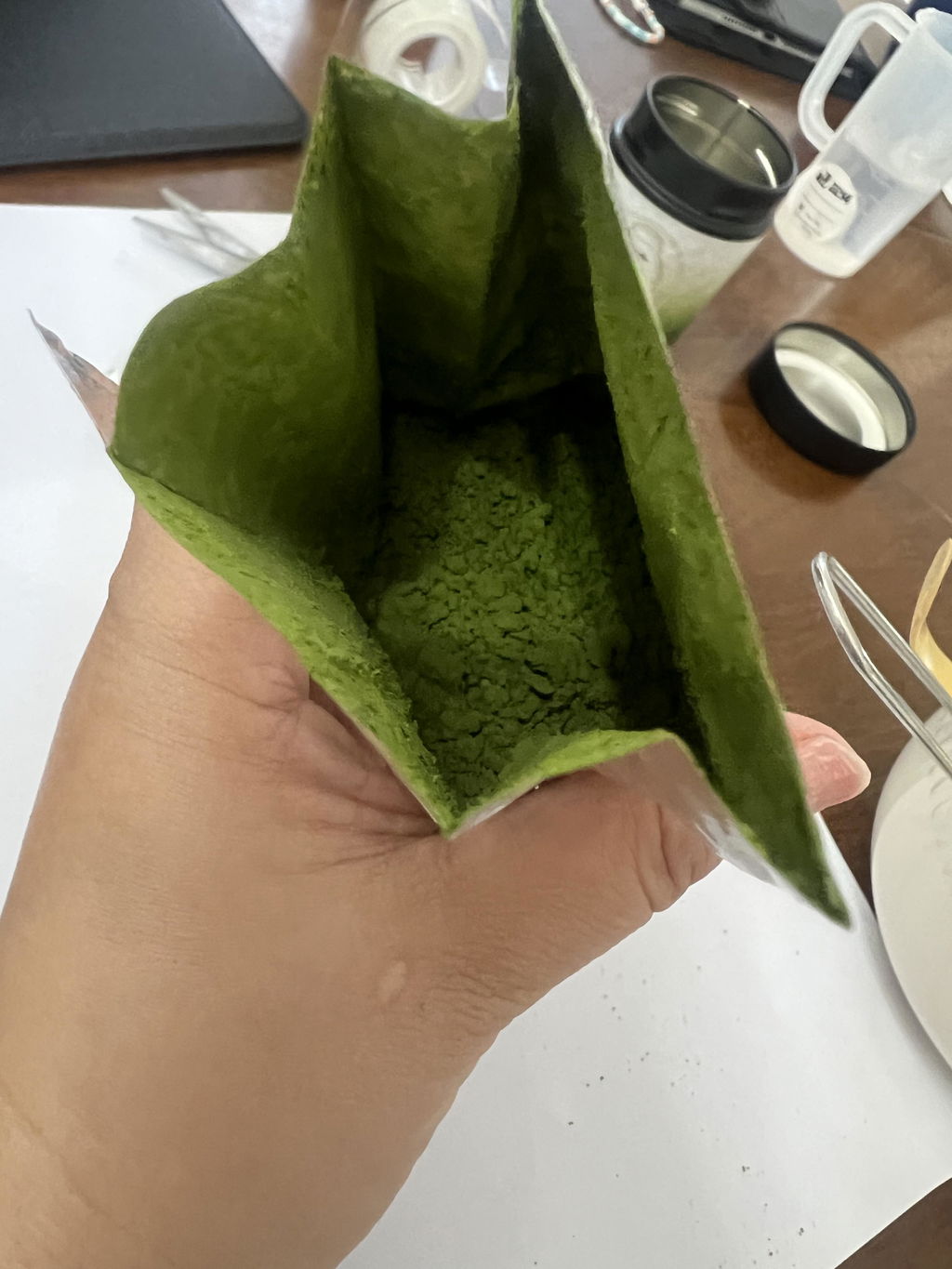
Matcha is sold by weight, so the first step is working out your cost per gram. Imagine a quality cafe-grade matcha priced at around $40 for a 100-gram pack. That works out to $0.40 per gram.
A standard matcha latte uses a dose of roughly 2 grams of powder. Some cafes go up to 2.5 or even 3 grams for a bolder, more vibrant drink that stands up to milk. Let's run two scenarios:
- 2 grams per serving: $0.80 of matcha per drink
- 3 grams per serving: $1.20 of matcha per drink
This is the figure that most alarms new buyers — but notice that even at a generous 3-gram dose of a premium powder, the matcha itself costs barely over a dollar. The perception that premium matcha is "too expensive to serve" rarely survives contact with the actual numbers.
2. Milk and Alternatives
Milk is often the quiet cost driver in any latte. A typical matcha latte uses between 180 and 240 millilitres of milk. Dairy milk might cost around $1.20 per litre, meaning roughly $0.22 to $0.29 per serving.
Plant-based alternatives — oat, almond, soy — are increasingly requested and usually cost more, sometimes $2.50 to $3.50 per litre. That pushes the milk cost to $0.45–$0.80 per serving. Many cafes add a small surcharge for alternative milks, which helps protect the margin while meeting customer demand.
3. Sweeteners and Extras
Some customers prefer their matcha latte lightly sweetened with honey, simple syrup, or a flavoured syrup such as vanilla. These add perhaps $0.10 to $0.20 per serving. It's a modest cost, but worth tracking, especially if sweetened versions are popular on your menu.
4. Packaging and Consumables
For takeaway drinks, don't overlook the cup, lid, sleeve, and straw. Depending on quality and whether you use eco-friendly materials, this typically adds $0.20 to $0.50 per serving. For dine-in service using ceramic ware, this cost largely disappears, replaced instead by washing and breakage over time.
5. Labor
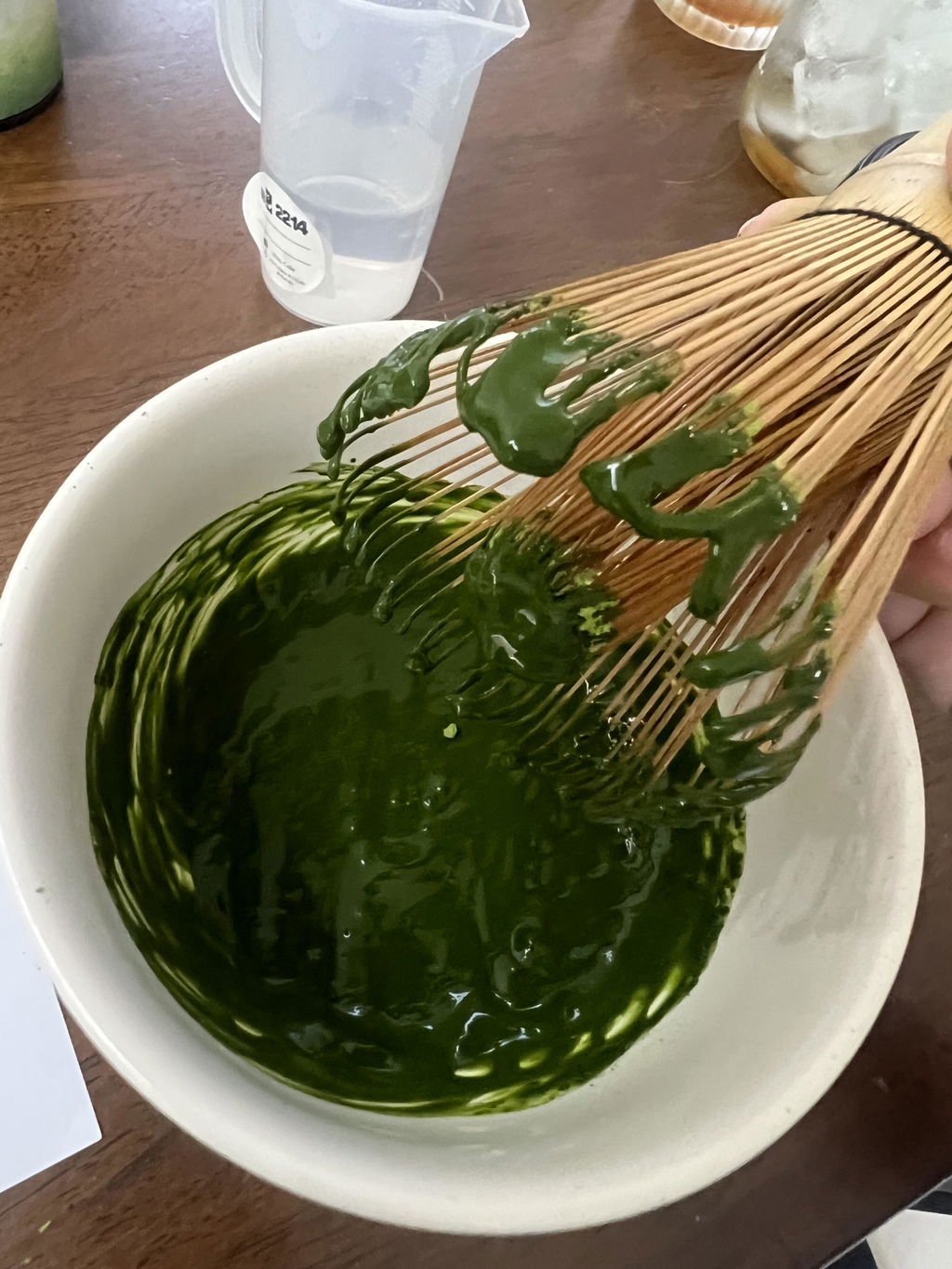
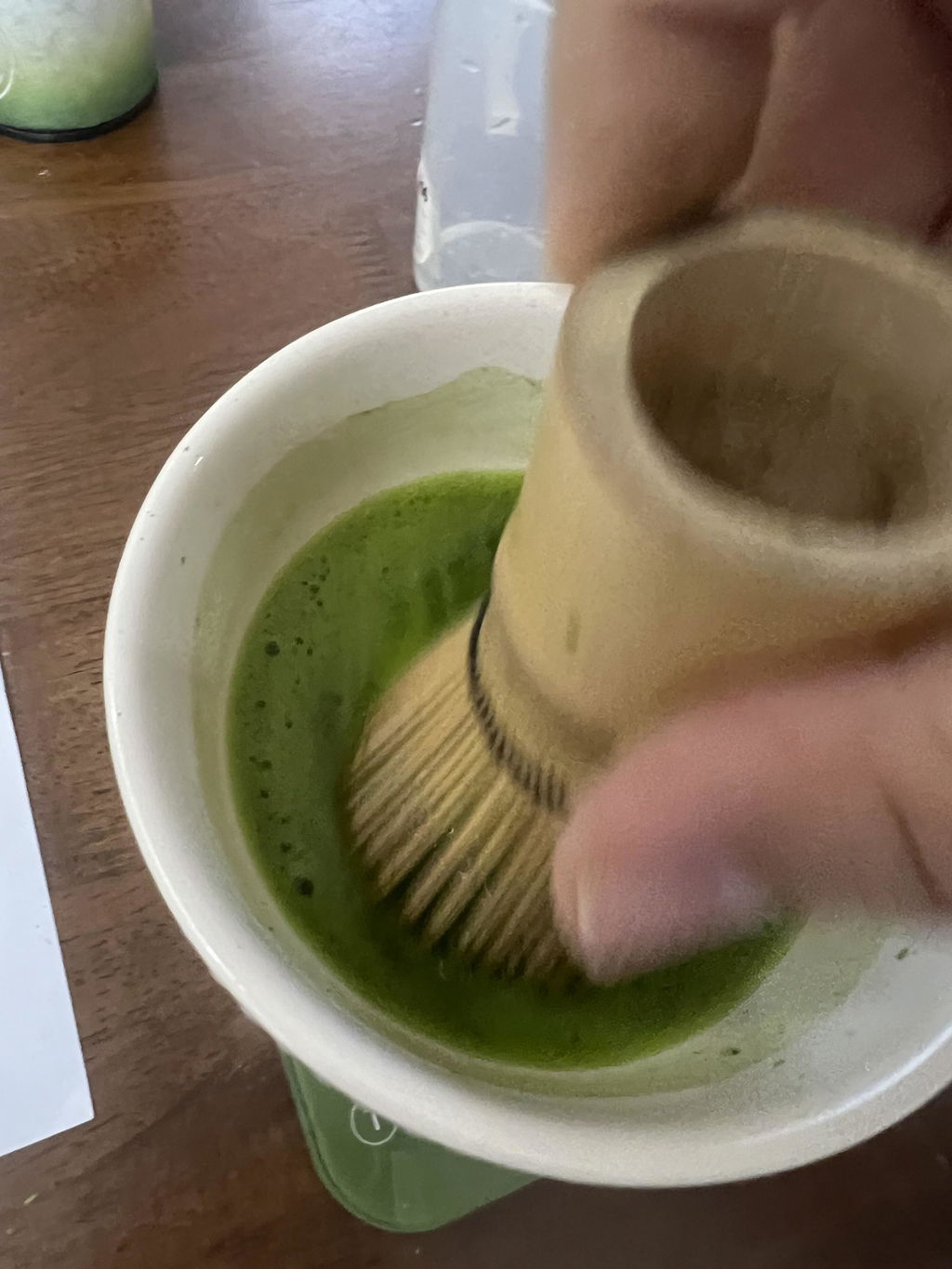
Labor is the cost most often forgotten in beverage costing, yet it matters. Preparing a proper matcha latte — sifting the powder, whisking with a little hot water to form a smooth paste, then combining with steamed or cold milk — takes time and skill.
If a barista earns $18 per hour and spends roughly two minutes making the drink, that's about $0.60 of labor per serving. Efficient workflows, pre-sifted matcha, and practised technique can bring this down, but it should always appear in your calculations.
Adding It All Up
Let's assemble a realistic cost per serving for a dine-in matcha latte using a premium 3-gram dose and dairy milk:
- Matcha (3g): $1.20
- Milk (200ml): $0.25
- Sweetener: $0.15
- Labor: $0.60
- Consumables/overhead: $0.20
Total cost per serving: approximately $2.40
Now consider the retail price. In most urban markets, a matcha latte sells for between $5.00 and $7.00. At a $6.00 selling price against a $2.40 cost, your gross margin is $3.60 — a healthy margin of 60%. Even with the generous matcha dose and labor fully accounted for, the numbers work comfortably.
What About a Lighter Dose and Lower Price?
Suppose you use 2 grams of a slightly more affordable matcha and sell the drink for $5.50. Your cost might fall to around $1.90, leaving a gross margin of roughly 65%. The lesson is clear: the matcha is rarely the enemy of profitability. Milk choices, labor efficiency, and your retail pricing have a far greater influence on the bottom line.
Why Premium Matcha Is a Smart Investment
Given that the quality difference costs only a few cents per serving, choosing a superior matcha is one of the easiest ways to elevate your cafe. A vibrant, well-crafted powder produces a latte with a striking green colour, a smoother texture, and the natural umami that customers remember. That memorability drives repeat business — and repeat business is where real profit lives.
There's a cultural dimension, too. Matcha is the product of centuries of Japanese craftsmanship, from the careful shading of tea bushes to the slow stone-milling of the leaf into fine powder. When you serve a matcha with genuine provenance, you're offering your customers a taste of that heritage. Matcha is often associated with a calm, focused sense of wellbeing, and many people are drawn to it precisely because it feels like a more mindful choice. Honouring that with quality is both good ethics and good business.
Practical Tips to Protect Your Margins
- Measure your dose consistently. A small scale or a calibrated scoop prevents costly over-pouring and keeps flavour reliable.
- Price alternative milks accordingly. A modest surcharge keeps plant-based options from eroding your margin.
- Train for speed and consistency. Efficient preparation reduces labor cost and improves the customer experience.
- Store matcha properly. Kept sealed, cool, and away from light, matcha retains its colour and flavour, reducing waste.
- Tell the story. A short note on your menu about the origin and grade of your matcha justifies premium pricing and builds trust.
The Bottom Line
Costing a matcha latte reveals a reassuring truth: premium quality and strong margins are not in conflict. Even with a generous dose of excellent matcha, the ingredient represents only a small slice of your total cost — and it's the slice that most shapes how your drink tastes and how customers feel about your cafe. Price thoughtfully, manage your milk and labor, and let the quality speak for itself.
If you're ready to source a matcha that delights your customers while keeping your numbers healthy, the team at Wakokoro Tea would be glad to help. We work directly with Japanese growers to bring you authentic, carefully selected teas, and we're always happy to talk through grades, doses, and wholesale options tailored to your cafe. Reach out to us and let's find the matcha that fits both your menu and your margins.