
What Is Ceremonial Grade Matcha? A Guide to Grades and Quality
Wakokoro TeaShare
Few terms in the world of Japanese tea are used as frequently — or as loosely — as "ceremonial grade matcha." You will find it printed on tins in specialty cafés, whispered by baristas, and celebrated by enthusiasts who prize its vivid green colour and silky texture. Yet for all its popularity, the phrase remains widely misunderstood. What actually makes matcha ceremonial grade? Is it an official designation, a marketing label, or something in between? And how can a curious drinker or a discerning café owner tell the difference between exceptional matcha and something merely dressed up to look the part?
In this guide, we will explore how matcha is graded, what qualities distinguish the finest tiers, and the practical ways you can assess quality for yourself. Understanding these fundamentals is the first step toward appreciating matcha not simply as a trend, but as one of Japan's most refined agricultural and cultural achievements.
Understanding Matcha Grades
The first thing to understand is that "ceremonial grade" is not a legally regulated or officially certified term in Japan. There is no government body that stamps a tin with this label. Instead, it has emerged largely within international markets as a way to communicate a general level of quality to consumers unfamiliar with the nuances of Japanese tea. In Japan itself, tea producers tend to speak in more precise terms — describing the cultivar, the harvest, the region, and the intended use rather than assigning a single sweeping grade.
That said, the language of grades remains genuinely useful, particularly for buyers navigating a crowded marketplace. Broadly speaking, matcha is often described across a spectrum:
- Ceremonial grade — the highest tier, intended to be whisked with hot water and enjoyed on its own, as in the traditional tea ceremony.
- Premium or daily grade — high-quality matcha suitable for everyday drinking, often slightly more robust and less delicate.
- Culinary grade — matcha specifically produced to hold its flavour when blended into lattes, baking, ice cream, and other recipes.
These categories are not rigid, and the line between them can blur. A good culinary matcha, for example, is not "low quality" — it is simply crafted for a different purpose. The key is matching the matcha to its intended use, which is exactly where an understanding of grading becomes empowering rather than confusing.
What Makes Ceremonial Grade Matcha Special
Ceremonial grade matcha sits at the summit of the craft for several interconnected reasons, each rooted in centuries of Japanese cultivation and processing expertise.
The Youngest, Most Tender Leaves
The finest matcha is made exclusively from the first harvest (ichibancha, meaning "first tea") of spring. These young, tender leaves have spent the winter accumulating nutrients and develop a natural sweetness and depth that later harvests cannot match. The very tips of the plant — the most delicate portions — are prized above all.
Shade-Growing (Kabuse)
A defining step in producing high-grade matcha is shade-growing. For several weeks before harvest, the tea bushes are covered to block a significant portion of sunlight. This process, known as ooishita saibai (shaded cultivation), encourages the plant to produce more chlorophyll and amino acids. The result is the deep jade colour matcha is famous for, along with a smoother, less astringent character. This shading is also traditionally associated with the development of L-theanine, an amino acid that many people connect with matcha's calm, focused quality — though it is worth noting that individual experiences vary.
Careful Processing and Stone Grinding
After harvesting, the leaves are steamed to halt oxidation, then dried and sorted. The stems and veins are meticulously removed, leaving only the pure leaf flesh, known as tencha. This tencha is then ground — for the highest grades, using traditional granite stone mills that turn slowly to avoid generating heat that could damage flavour and aroma. A single stone mill may produce only around 30 to 40 grams of matcha per hour, a testament to the patience the craft demands.
Flavour Profile
The reward for all this care is a taste experience that is genuinely distinctive. Ceremonial grade matcha is characterised by a pronounced umami (a savoury, brothy depth of flavour), natural sweetness, and a smooth, almost creamy finish with minimal bitterness. It is meant to be savoured on its own, whisked simply with hot water, where its subtleties can shine without competing ingredients.
How to Identify Quality Matcha
Because "ceremonial grade" is not officially regulated, learning to assess matcha yourself is invaluable. Fortunately, quality reveals itself through the senses. Here are the key indicators to look for.
Colour
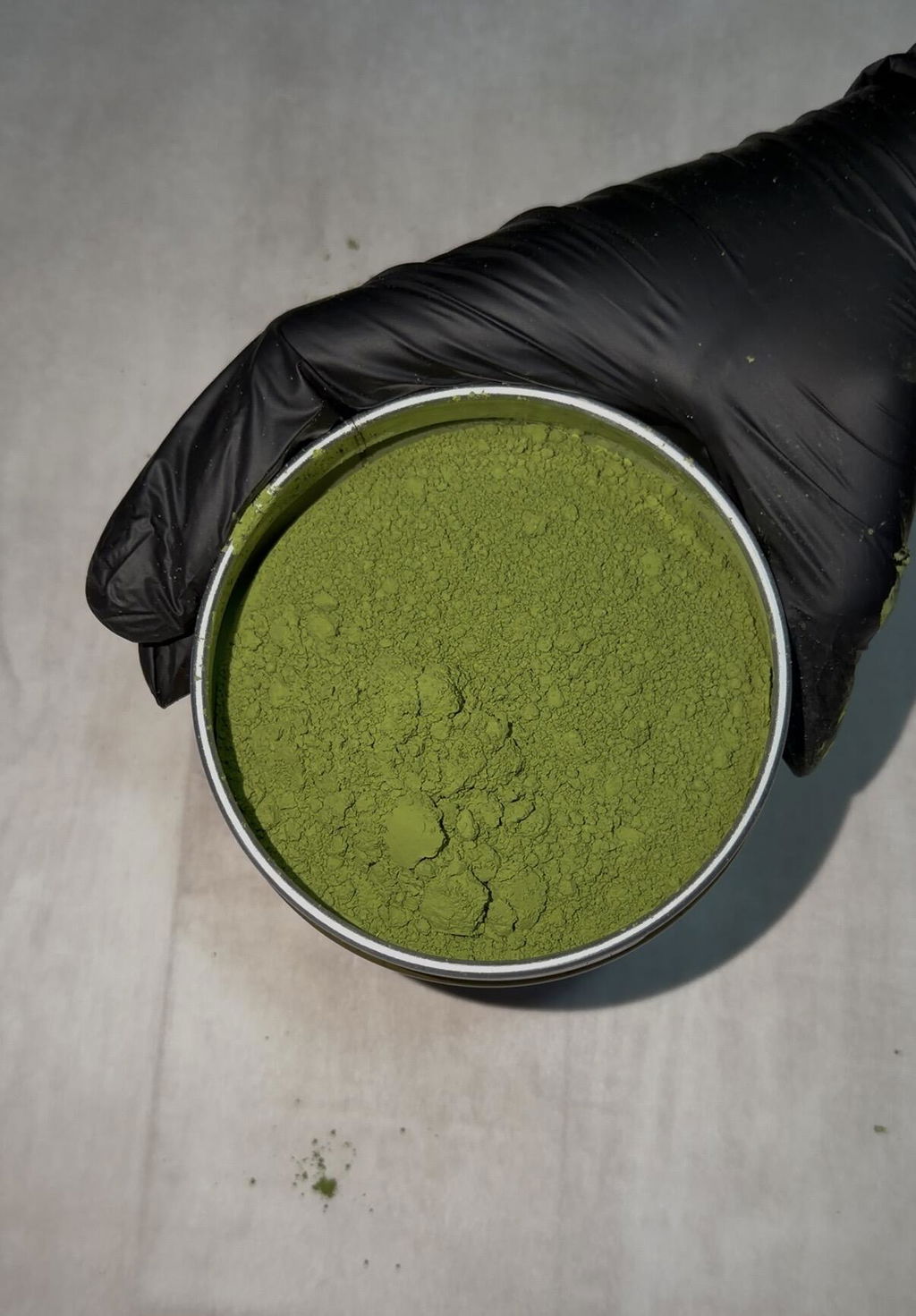
High-quality matcha displays a vivid, vibrant green — often described as jade or emerald. This brightness reflects the chlorophyll developed through shade-growing and the use of young leaves. Dull, yellowish, or brownish tones often suggest older leaves, lower-quality processing, oxidation, or age. When comparing samples side by side, the difference can be striking.
Texture
Gently rub a small amount between your fingers. Superior matcha feels extraordinarily fine and smooth, almost like talcum powder or silk. This fineness is a direct result of slow stone grinding. Grittier, coarser textures indicate a rougher grind and typically a lower grade. This fine texture also allows the matcha to suspend beautifully in water when whisked, creating that signature frothy layer.
Aroma
Fresh, high-grade matcha carries a sweet, vegetal, and inviting fragrance — sometimes compared to fresh greens, cut grass, or a subtle marine note. A flat, hay-like, or musty smell can signal staleness or lower quality. Aroma is one of the most immediate and honest indicators of freshness.
Taste
Ultimately, the palate is the final judge. Ceremonial grade matcha should taste smooth and full, with rich umami and a lingering natural sweetness. While a gentle astringency is normal and even pleasant, harsh, overpowering bitterness usually points to lower quality, over-steeping, or leaves harvested later in the season.
Origin and Transparency
Reputable matcha will often be linked to a specific region of Japan — such as Uji in Kyoto, Nishio in Aichi, or Yame in Fukuoka — each with its own celebrated tea heritage. Transparency about harvest, cultivar, and sourcing is a strong signal of a producer who takes their craft seriously. When a seller can tell you where and how their matcha was made, you can buy with far greater confidence.
Choosing the Right Matcha for Your Needs
For those who wish to drink matcha traditionally — whisked in a bowl and enjoyed slowly — ceremonial grade rewards the investment with unmatched depth and refinement. For café owners crafting matcha lattes, however, a well-made premium or culinary grade may actually be the wiser choice, as its bolder character holds up beautifully against milk and sweeteners without being lost. There is no single "best" matcha; there is only the right matcha for the moment and the method.
Understanding grading empowers you to make these decisions with clarity rather than guesswork. Whether you are building a beverage menu, sourcing for a wholesale operation, or simply deepening your own appreciation, this knowledge transforms matcha from a mysterious green powder into a nuanced product you can evaluate with real confidence.
At Wakokoro Tea, we take great pride in connecting people around the world with authentic Japanese matcha sourced directly from dedicated growers who honour generations of tradition. If you would like guidance in selecting the grade that best suits your café, your business, or your personal tea ritual, our team is always glad to share what we know and help you find matcha worthy of the craft behind it.