
Tea Seasons in Japan: Understanding the Harvest Calendar
Wakokoro TeaShare
In Japan, tea is not simply grown — it is timed. The character of a cup depends enormously on when the leaves were picked, and generations of farmers have shaped their entire year around the changing rhythm of the harvest. A single tea garden can yield strikingly different teas across the seasons, each with its own aroma, sweetness, and depth. To understand Japanese tea, then, is to understand its calendar: the gentle, deliberate progression from the first tender leaves of spring to the sturdier growth of late summer.
This seasonal cycle is captured in a simple but elegant naming system. Each successive harvest is numbered — ichibancha (first-picked tea), nibancha (second), sanbancha (third), and yonbancha (fourth). Together, they tell the story of a tea plant's year, and of the craftsmanship required to draw the best from each stage. Let us walk through the calendar as a Japanese tea farmer might experience it.
The Rhythm of the Japanese Tea Year
Japan's tea plants (Camellia sinensis) go dormant through the cold winter months. During this quiet period, the plant stores nutrients and amino acids in its roots — a slow accumulation that will later define the sweetness and richness of the spring harvest. As temperatures rise and daylight lengthens, new shoots begin to unfurl, and the first plucking season arrives.
Because Japan stretches across many latitudes, harvest timing varies by region. In warmer southern areas such as Kagoshima on the island of Kyushu, the first leaves may be ready as early as late March. In cooler regions like Shizuoka or the highlands around Uji in Kyoto, the season often begins in late April or early May. This staggered timing is part of what gives Japanese tea its remarkable diversity.
Ichibancha: The Celebrated First Flush
Ichibancha, the first harvest of the year, is the most prized of all. Picked in spring — roughly late April through May depending on region — these are the leaves that have benefited from the plant's long winter rest. Months of stored nutrients are concentrated into the very first shoots, producing tea that is celebrated for its delicate sweetness, vibrant aroma, and refined balance.
Tea drinkers often associate ichibancha with a mellow, umami-rich flavor and comparatively gentle astringency. This is frequently attributed to a higher proportion of amino acids — particularly L-theanine, a compound traditionally associated with a sense of calm — relative to the more astringent catechins that develop later in the year. While the exact chemistry varies with cultivar and growing method, many people find the first flush to be the smoothest and most nuanced tea of the season.
Shincha: The Taste of Spring
A special subset of ichibancha deserves its own mention. Shincha (literally "new tea") refers to the very earliest ichibancha leaves, sold fresh soon after harvest without extended aging. Shincha is a seasonal celebration in Japan, eagerly anticipated much like the first fruits of any harvest. Its flavor is lively and fragrant, with a bright, grassy freshness that captures the essence of spring in a cup.
Because shincha is enjoyed for its immediacy, it is typically available only for a limited window each year. For many tea lovers, receiving that first package of shincha is one of the great pleasures of the tea calendar.
The 88th Night Tradition
There is a lovely piece of tea folklore tied to this season. Hachijuhachiya — the "88th night" counted from the traditional start of spring, falling around May 2nd — is regarded as an especially auspicious time to harvest. Tea picked around this date is said to bring good fortune and vitality to those who drink it. While the belief is cultural rather than scientific, it beautifully reflects how deeply tea is woven into the Japanese sense of the seasons.
Nibancha: The Second Harvest of Summer
After the first flush is picked, the tea plant regenerates, sending out fresh new shoots. Roughly 45 to 50 days later — usually in June — these are harvested as nibancha, the second-picked tea.
By this point the weather is warmer and sunnier, and the leaves grow more quickly. This faster growth tends to produce a tea with more pronounced astringency and a bolder, more straightforward character. The delicate sweetness of ichibancha gives way to a brisker, refreshing profile. Some research suggests that increased sun exposure encourages higher catechin content, which many people perceive as a sharper, more bracing taste.
Nibancha is far from inferior — it simply serves a different purpose. Its robust, invigorating quality makes it a popular everyday tea, and its brisk character stands up well to casual drinking throughout the day.
Sanbancha: The Third Harvest
Sanbancha, the third harvest, typically arrives in mid to late summer, often around July or August. Not every farm chooses to pick a third flush; some prefer to let the plants rest and conserve their strength for the following year's ichibancha. When it is harvested, sanbancha yields a hearty, everyday tea with a stronger, more rustic flavor and lower cost.
These leaves are often used for casual household teas or blended into products where a straightforward, no-frills character is desired. Sanbancha reflects the practical, resourceful side of tea cultivation — making full use of the plant's productive season.
Yonbancha and Autumn Tea
The final harvest of the year, yonbancha, occurs in late summer or early autumn where climate permits. As the fourth picking, these leaves are the most mature and robust, producing a tea that is bold and earthy, with pronounced astringency and a deeper color in the cup.
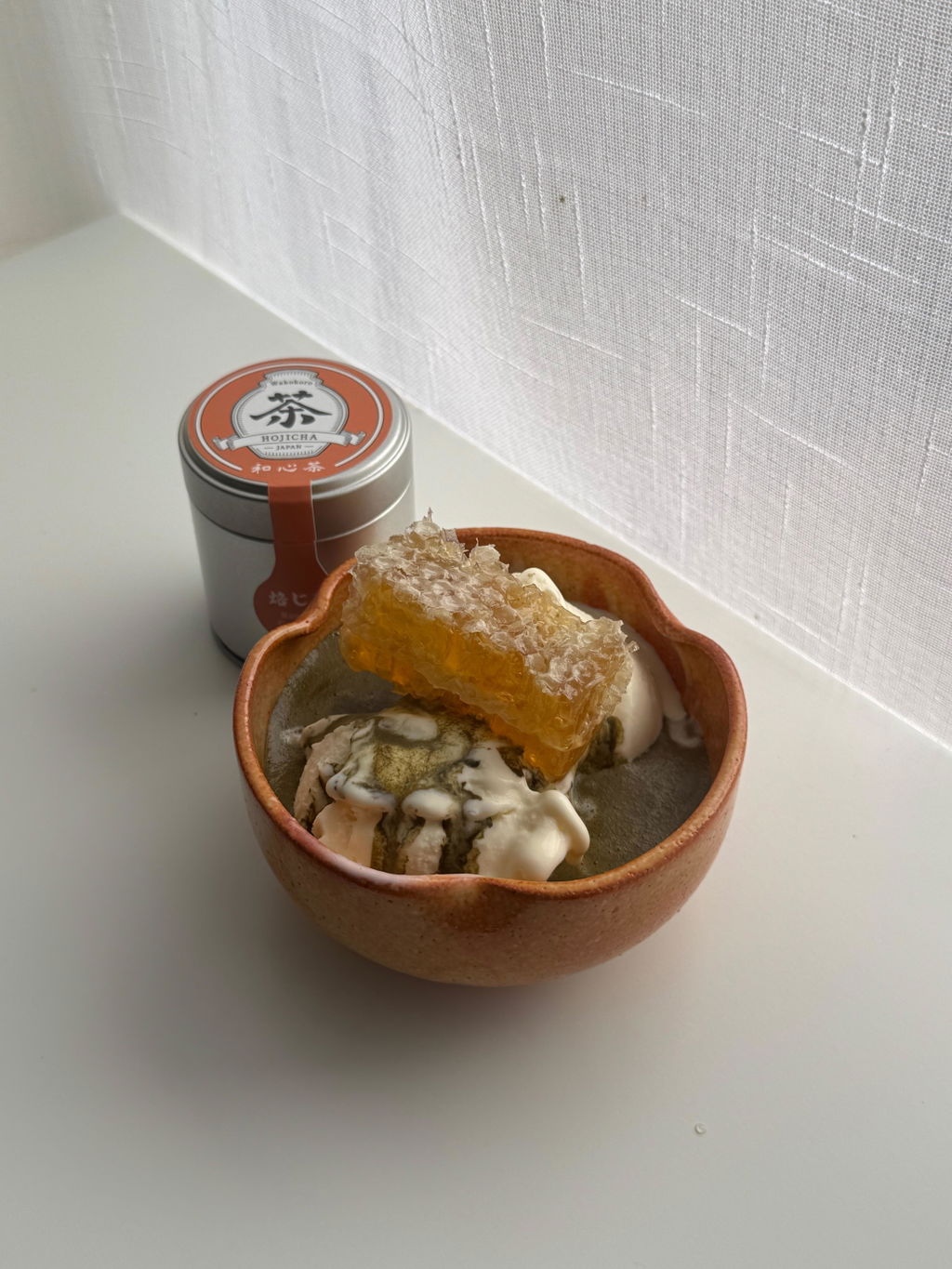
Yonbancha and later autumn leaves are frequently used for teas intended for everyday enjoyment, such as bancha (common, coarse tea) and roasted varieties like hojicha, where roasting mellows the astringency into a warm, toasty character. In some regions, an autumn-winter tea known as akibancha is harvested as the season winds down, offering a mild, gentle cup that is often lower in caffeine than spring teas.
Why the Harvest Calendar Matters
Understanding this seasonal progression is more than academic — it directly informs how you choose and appreciate tea.
- Flavor and quality: Earlier harvests generally offer greater sweetness, umami, and refinement, while later harvests provide brisker, more robust character.
- Price and value: Ichibancha commands the highest prices due to its quality and limited yield, whereas later flushes offer excellent value for daily drinking.
- Purpose: A premium ceremonial-grade tea or a special gift calls for first-flush leaves, while a versatile, affordable house tea for a busy cafe may be beautifully served by nibancha or sanbancha.
For cafe owners and wholesale buyers, this knowledge is a practical tool. Knowing which harvest a tea comes from helps you match quality to purpose, communicate authentically with your customers, and build a menu that honors the true character of each tea. A well-chosen selection might feature the elegance of a spring ichibancha alongside the comforting warmth of an autumn hojicha — each telling its own part of the seasonal story.
A Living Tradition
The beauty of the Japanese tea calendar lies in how faithfully it follows nature. Farmers do not force the plant; they read the weather, the soil, and the shoots, adapting their timing year by year. The result is a tradition that remains alive and responsive, producing teas that genuinely reflect the season in which they were grown. To drink Japanese tea with an awareness of its harvest is to taste the passage of the year itself.
At Wakokoro Tea, we work closely with dedicated growers to bring you teas that honor each stage of this remarkable cycle — from the celebrated freshness of spring shincha to the toasty comfort of autumn-harvested leaves. If you would like guidance in selecting teas suited to your palate, your customers, or your season, our team would be delighted to help you find the perfect match.