
Storing Matcha After Opening: Tin, Fridge, or Freezer?
Wakokoro TeaShare
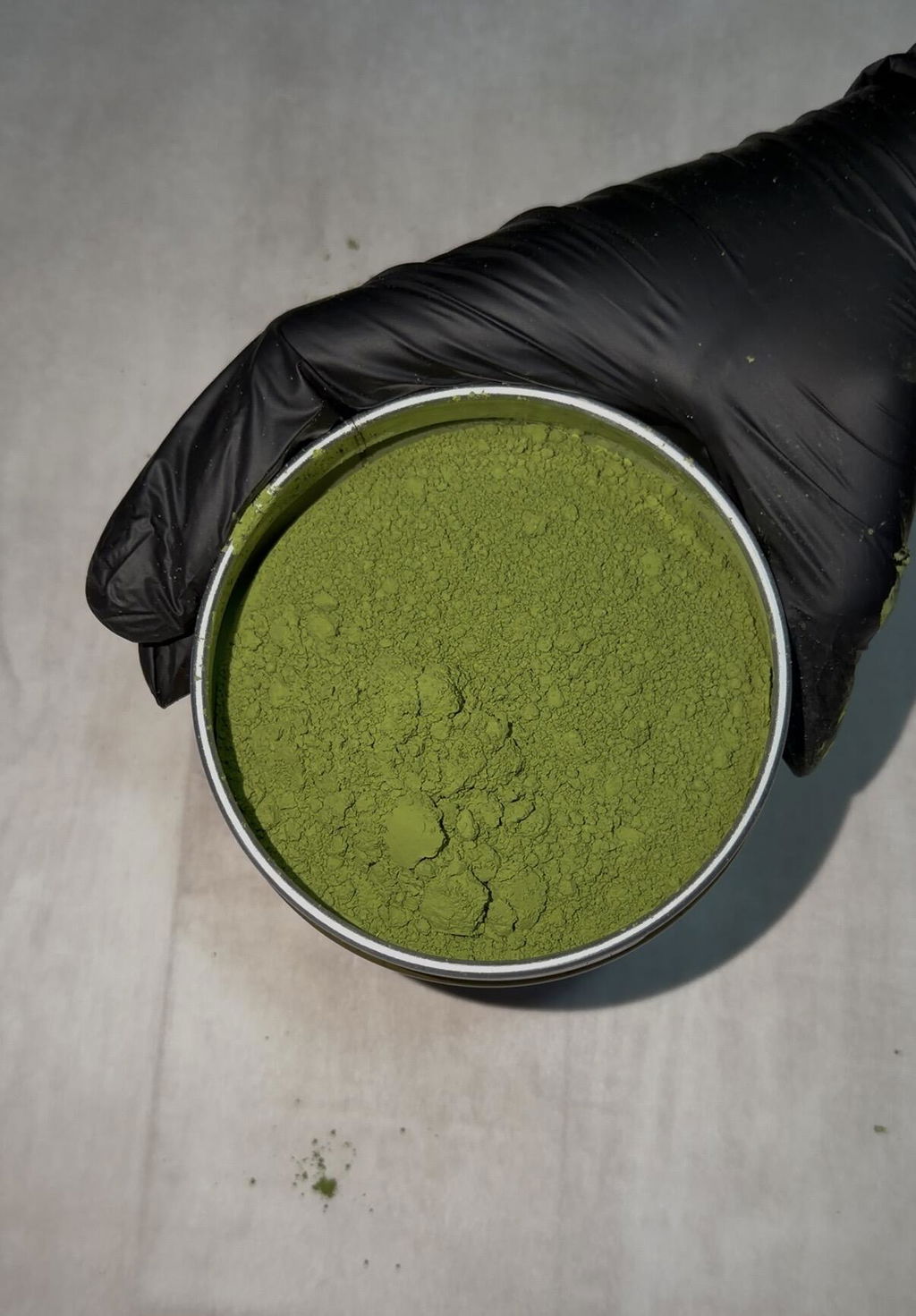
Few teas reward careful handling quite like matcha. Because it is finely stone-ground green tea leaf — not steeped and strained, but whisked and consumed whole — every particle is exposed to the elements the moment the seal is broken. That vivid jade colour, the sweet marine aroma, the gentle umami on the palate: all of it is at its peak the day your tin is opened, and all of it begins to fade a little from that point onward. The good news is that thoughtful storage can slow this decline dramatically. The question most people ask is simple and practical: after opening, should matcha live in a tin on the shelf, in the fridge, or in the freezer?
The honest answer is "it depends" — on how quickly you use it, your climate, and whether you are keeping tea for yourself or running a cafe service. Let's work through each option clearly, pay close attention to the one risk that trips up almost everyone (condensation), and finish with a routine you can actually stick to.
What Actually Degrades Matcha
Before comparing storage methods, it helps to understand the four enemies of matcha. Getting ahead of these makes every other decision obvious.
- Oxygen — Air dulls colour and flavour through oxidation, muting the fresh, grassy brightness that defines good matcha.
- Light — UV and even bright ambient light degrade chlorophyll and delicate aromatic compounds.
- Heat — Warmth accelerates every chemical reaction that ages the powder.
- Moisture — Matcha is hygroscopic, meaning it readily absorbs water from the air. Moisture causes clumping, off-flavours, and a faster loss of freshness.
Notice that three of these — oxygen, heat, and moisture — are directly shaped by where you store your tea. The fourth, light, is handled by using an opaque container. Keep this quartet in mind and the tin-versus-fridge-versus-freezer debate becomes far easier to settle.
Option One: The Tin at Room Temperature
For most households and many cafes, a quality airtight tin kept in a cool, dark cupboard is the simplest and most practical choice. A good matcha tin — ideally with an inner lid or seal — blocks light, limits air exchange each time you open it, and keeps the powder at a stable, consistent temperature.
When the tin is the right choice
If you are drinking or serving matcha steadily and expect to finish an opened tin within three to four weeks, room-temperature storage is often the most sensible approach. The powder stays dry, there is no condensation risk whatsoever, and your matcha is always ready to whisk without waiting. For a busy cafe moving through stock quickly, this is usually ideal.
Making the most of a tin
- Choose a cupboard away from the oven, stovetop, kettle, and any sunny window.
- Press out excess air and seal the inner lid firmly after each use.
- Keep the tin closed except when actively scooping — a quick open-and-close limits exposure.
- Never store matcha above or beside heat-generating equipment, a common oversight in café setups.
The limitation of the tin is simply time. At room temperature, matcha ages faster than it does when chilled, so this method suits fast turnover rather than long keeping.
Option Two: The Fridge
Refrigeration slows oxidation and the effects of heat, which is why it is often recommended for matcha you won't finish quickly. For a home drinker who enjoys a bowl only now and then, or a cafe holding back-up stock, the fridge can meaningfully extend freshness.
However, the fridge introduces the single biggest hazard in matcha storage: condensation. When you take cold matcha out of the fridge and open it in a warm room, moisture in the air condenses on the cold powder and container — exactly the dampness we are trying to avoid. Even a little water can clump the powder and begin to spoil its flavour.
How to use the fridge safely
- Keep the matcha in an airtight, opaque container — not loosely wrapped or in a half-sealed bag.
- For longer holding, keep the tin inside a second resealable bag or airtight box as an extra moisture barrier.
- Before opening, let the sealed container come fully to room temperature — often 30 minutes to an hour. This is the step most people skip, and it matters most.
- Only open once the container no longer feels cold to the touch, so no moisture forms on the powder.
- Keep matcha away from strongly aromatic foods, as the powder can absorb surrounding odours.
For a cafe, repeatedly pulling a working tin in and out of the fridge throughout a shift is impractical and risky — each cycle invites condensation. The fridge is better suited to sealed reserve stock than to the tin in active daily use.
Option Three: The Freezer
The freezer offers the slowest ageing of all and is excellent for long-term storage of unopened or sealed matcha. If you have bought a larger quantity and want to preserve it for months before use, freezing well-sealed packets can keep them close to their original quality.
The same condensation rule applies here — only more so, because the temperature difference is greater. Frozen matcha brought straight into a warm kitchen will attract moisture quickly if opened too soon.
Freezing matcha the careful way
- Freeze matcha only in fully airtight, moisture-proof packaging, ideally unopened or vacuum-sealed.
- Thaw the sealed package completely at room temperature before opening — never crack the seal on frozen powder.
- Avoid repeated freeze-thaw cycles; each one risks condensation and flavour loss. Freeze portions you can commit to.
- Once thawed and opened, treat the matcha as you would any opened tin and use it within a few weeks.
In short, the freezer is a long-term vault, not a day-to-day working store. It shines for reserves you won't touch for a while, not for the tin you reach for each morning.
A Simple Routine That Works
You don't need a laboratory to keep matcha fresh — just a consistent habit. Here is a practical rhythm for both settings.
For home drinkers
- Keep your current working tin in a cool, dark cupboard and finish it within three to four weeks.
- If you buy in larger amounts, store the surplus sealed in the fridge or freezer.
- When refilling your tin, let the reserve come fully to room temperature before opening, then decant quickly and reseal.
For cafes and wholesale buyers
- Keep a small working tin at ambient temperature for service, sized to a few days' use.
- Hold back-up stock sealed and refrigerated, or frozen for longer reserves.
- Bring each sealed unit to room temperature before opening to refill the working tin.
- Rotate stock on a first-in, first-out basis and date your containers so nothing is forgotten at the back.
This two-tier system — a small working supply kept dry and ready, plus sealed reserves kept cold — captures the best of every method while sidestepping condensation almost entirely.
The Takeaway
There is no single "correct" place to store matcha; there is only the method that matches your pace of use. Drinking or serving it quickly? A sealed tin in a cool, dark cupboard is wonderfully simple. Keeping it longer? The fridge slows ageing, and the freezer slows it further still — provided you respect the golden rule and always let sealed matcha return to room temperature before you open it. Protect your powder from oxygen, light, heat, and above all moisture, and that bright, generous flavour will stay with you from the first bowl to the last.
If you'd like to build your routine around tea that is worth storing well, the carefully sourced matcha at Wakokoro Tea is selected for freshness and craftsmanship from the very first scoop — and our team is always glad to help home drinkers, cafe owners, and wholesale buyers choose the grade and quantity that best suit how they'll enjoy it.