
Sourcing Japanese Tea Ethically: What It Means in Practice
Wakokoro TeaShare
For many cafe owners and wholesale buyers, the word "ethical" appears so often on packaging and marketing materials that it can begin to feel hollow. Yet in the world of Japanese tea, ethical sourcing is not an abstract ideal — it is a series of concrete, often unglamorous practices that determine whether a farmer can pass their fields to the next generation, whether a cup of sencha (steamed green tea) reaches you at the quality it deserves, and whether the long chain of hands between the tea bush and your counter has been treated fairly. This article looks behind the language to explain what ethical sourcing genuinely involves, and why it should matter to anyone serious about Japanese tea.
Why Ethical Sourcing Deserves Serious Attention
Japan's tea industry is built on extraordinary craftsmanship and centuries of agricultural heritage. But it is also facing real pressures. The average age of Japanese tea farmers continues to rise, younger generations are drawn to cities, and small family farms compete against the efficiencies of larger operations. Climate variability and shifting domestic consumption add further uncertainty.
In this environment, how tea is bought and sold has consequences that ripple far beyond a single transaction. When buyers prioritise only the lowest possible price, they unintentionally squeeze the very people whose skill makes premium tea possible. Ethical sourcing, by contrast, treats the farmer not as an interchangeable supplier but as the heart of the entire system. It asks a simple question: does the way we buy this tea help the tradition survive and flourish, or does it quietly erode it?
Direct Relationships With Farmers
The foundation of ethical sourcing is direct relationship. In a conventional supply chain, tea may pass through several intermediaries — local aggregators, wholesalers, auction houses, exporters — before it reaches an overseas buyer. Each link adds distance, and with that distance comes a loss of information and accountability.
What "direct" actually looks like
A genuinely direct relationship means knowing the producer by name, understanding the region and even the specific fields where the tea is grown, and communicating with them across growing seasons rather than only at the moment of purchase. It often involves visiting farms, walking the rows of tea bushes, and observing the aracha (unrefined raw tea) before it is finished and blended.
These relationships allow for honest dialogue. A farmer can explain why a particular harvest tasted different this year, perhaps because of an unusually cool spring or a change in shading technique. A buyer can share feedback from customers abroad, helping the producer understand how their tea is appreciated in distant markets. This exchange is impossible when anonymity defines the supply chain.
The benefit for cafe owners
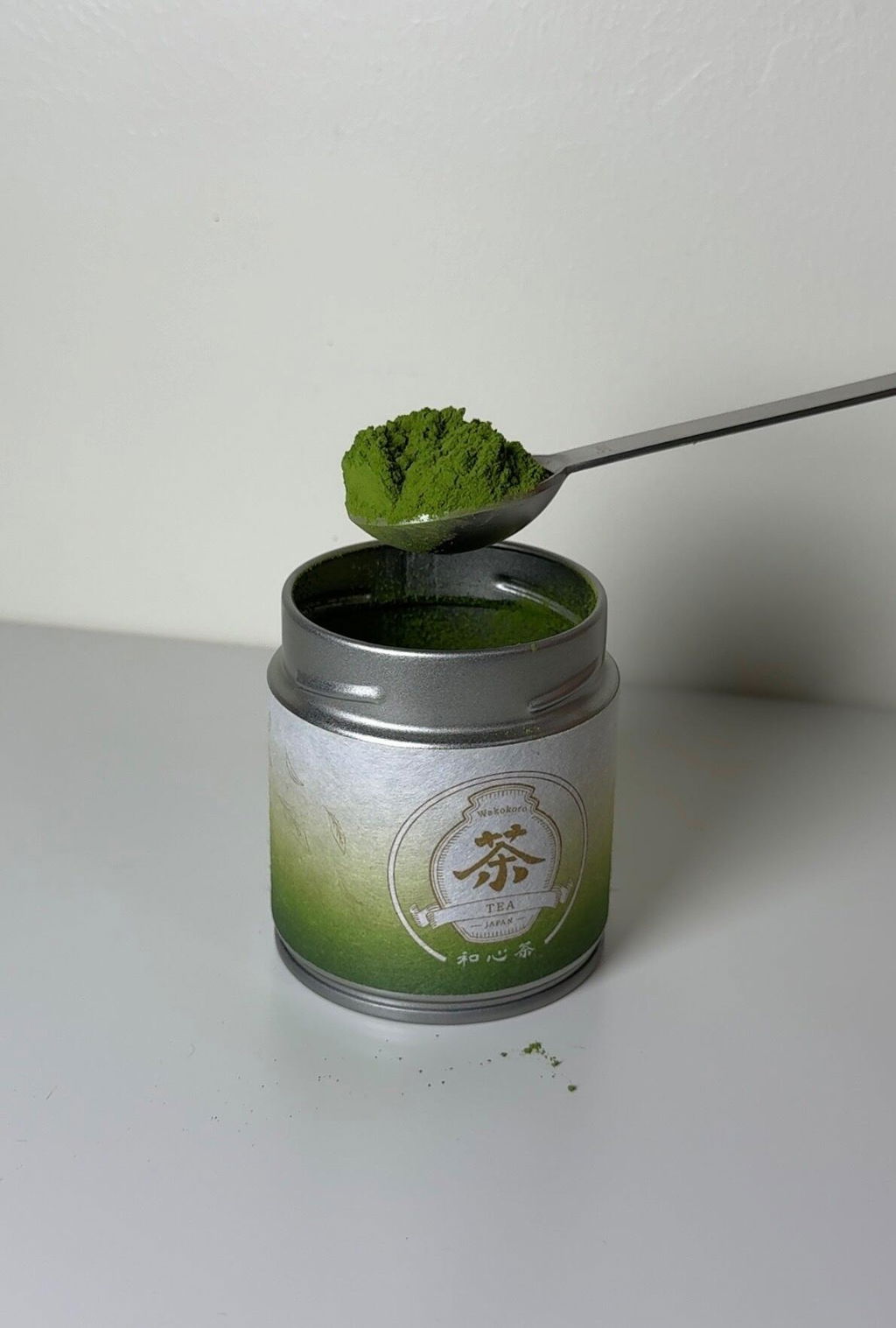
For a cafe, a direct sourcing model translates into a story you can tell with confidence. When a customer asks where your matcha (stone-ground green tea powder) comes from, you can speak to the region, the cultivar, and the family behind it. This authenticity is increasingly what discerning guests are looking for, and it is something no generic supplier can replicate.
Fair Pricing as a Practice, Not a Slogan
Fair pricing is one of the most misunderstood elements of ethical sourcing. It does not simply mean paying more. It means paying a price that reflects the true cost of careful cultivation, skilled processing, and a sustainable livelihood for the producer.
Understanding the real cost of quality
Consider the labour behind a high-grade gyokuro (shade-grown green tea). The fields must be covered for weeks before harvest, the leaves are often picked with great selectivity, and the processing demands experience that takes decades to master. A price that ignores this reality is not a bargain — it is a hidden cost borne by someone else, usually the farmer.
Fair pricing also means stability. Farmers who can anticipate reasonable, consistent returns are able to invest in their fields, maintain their equipment, and plan for the future. Volatile or punitive pricing forces short-term decisions that can compromise quality and, over time, the survival of the farm itself.
How fair pricing supports quality
- It allows farmers to prioritise careful hand-selection over rushed mechanical harvesting where appropriate.
- It supports investment in soil health and traditional cultivation methods.
- It encourages producers to continue making distinctive, regionally expressive teas rather than commodity-grade volume.
- It creates the trust needed for long-term collaboration, where both sides benefit from improvement over many seasons.
Transparency Across the Supply Chain
Transparency is what makes ethical claims verifiable rather than aspirational. A transparent supply chain is one where each step — from the field to the finished product — can be traced and explained.
Traceability from field to cup
Meaningful traceability includes knowing the prefecture and locality of origin, the cultivar (such as Yabukita, Okumidori, or Saemidori), the harvest period, and the processing approach. For buyers, this information is not trivia. It shapes flavour, brewing recommendations, and the way you present the tea to your own customers.
Transparency also extends to honesty about what a tea is not. A reputable partner will tell you when a tea is a blend rather than a single-origin lot, or when a harvest fell short of its usual standard. This candour, while sometimes inconvenient, is the bedrock of a trustworthy relationship.
Questions worth asking your supplier
- Can you tell me the specific region and, where possible, the farm this tea comes from?
- What cultivar is this, and during which harvest was it picked?
- How is the producer compensated, and is pricing stable across seasons?
- Have you visited the farms you work with, and do you maintain ongoing relationships?
- How is quality assessed before the tea is exported?
The willingness — and ability — to answer these questions clearly is often the simplest way to distinguish genuine ethical sourcing from marketing language.
The Cultural Dimension of Ethical Sourcing
There is a dimension to ethical sourcing that goes beyond economics. Japanese tea is the product of an agricultural and cultural heritage refined over many centuries. Sourcing it ethically means honouring that heritage: respecting the knowledge of the people who grow and process it, and recognising that their expertise is not a commodity to be extracted but a tradition to be supported.
This respect is often said to deepen the experience for everyone involved. Many people find that a tea tastes different — richer, somehow more meaningful — when they understand the care and the human story behind it. For cafe owners, this added dimension can become a quiet but powerful part of the atmosphere you create.
Putting Ethical Sourcing Into Practice
For buyers who want to move from intention to action, a few principles can guide the way:
- Choose partners who know their producers. Direct relationships are the clearest sign of an ethical model.
- Value transparency over vague reassurance. Ask for specifics, and judge a supplier by how clearly they respond.
- Think in seasons, not transactions. Long-term partnerships benefit your business and the farms alike.
- Be willing to pay for true quality. Fair pricing protects the craftsmanship you are buying.
Adopting these principles does not require you to overhaul your business overnight. It begins with curiosity and a commitment to asking better questions of the people you buy from.
At Wakokoro Tea, ethical sourcing is woven into how we work every day — through the relationships we maintain with the farmers behind our teas, the fairness we strive for in pricing, and the transparency we offer to every cafe owner and wholesale buyer we serve. If you would like to build a tea offering grounded in authenticity and respect for its origins, we would be glad to share the stories and the teas of the farmers we are proud to know. Reach out to our team and let us help you source with confidence.