
Saemidori: The Bright Green Cultivar
Wakokoro TeaShare
Among the many cultivars that shape the world of Japanese green tea, few capture the eye quite like Saemidori. Its name, which can be translated as "clear, bright green," is not a marketing flourish but an honest description of what the tea delivers in the cup. For growers, tea masters, and discerning drinkers alike, Saemidori has become a byword for vivid color, gentle sweetness, and a fresh, inviting aroma. In this article, we explore where this remarkable cultivar comes from, what makes it distinctive, and why it has earned such a devoted following among those who seek out high-quality Japanese teas.
What Is a Tea Cultivar?
Before turning to Saemidori itself, it helps to understand what we mean by a cultivar (a cultivated variety of a plant, selectively bred for particular traits). Nearly all Japanese green tea comes from a single species, Camellia sinensis, yet within that species there are dozens of registered cultivars, each with its own leaf shape, growth habit, flavor tendencies, and suitability to different climates.
Think of cultivars the way a winemaker thinks of grape varieties. Just as Pinot Noir and Cabernet Sauvignon produce very different wines from the same fundamental plant family, cultivars such as Yabukita, Okumidori, and Saemidori yield teas with distinct personalities. Choosing the right cultivar is one of the first and most important decisions a tea farmer makes, and it shapes everything that follows.
The Origins of Saemidori
Saemidori was developed in Japan and officially registered as a cultivar in 1990. It is the result of a cross between two well-known parent cultivars: Yabukita, which remains the most widely planted tea variety in Japan and is prized for its balanced, reliable character, and Asatsuyu, a cultivar often nicknamed the "natural gyokuro" for its sweetness and low astringency.
From this pairing, Saemidori inherited a fortunate combination of qualities. It carries the dependable structure and cultivation-friendly nature of Yabukita, while drawing its remarkable sweetness and softness from Asatsuyu. The result is a cultivar that is both a pleasure to grow and a delight to drink — a balance that is not always easy to achieve.
A Cultivar Suited to Warmer Regions
One defining trait of Saemidori is its preference for warmth. It tends to bud slightly earlier than many other cultivars and performs best in regions with mild climates and ample sunshine. This characteristic has strongly influenced where it is grown, concentrating its cultivation in the warmer tea-producing areas of southern Japan.
Color, Aroma, and Sweetness: The Saemidori Signature
What truly sets Saemidori apart is the sensory experience it offers. Growers and tea lovers return to it again and again for three qualities in particular.
A Strikingly Vivid Green
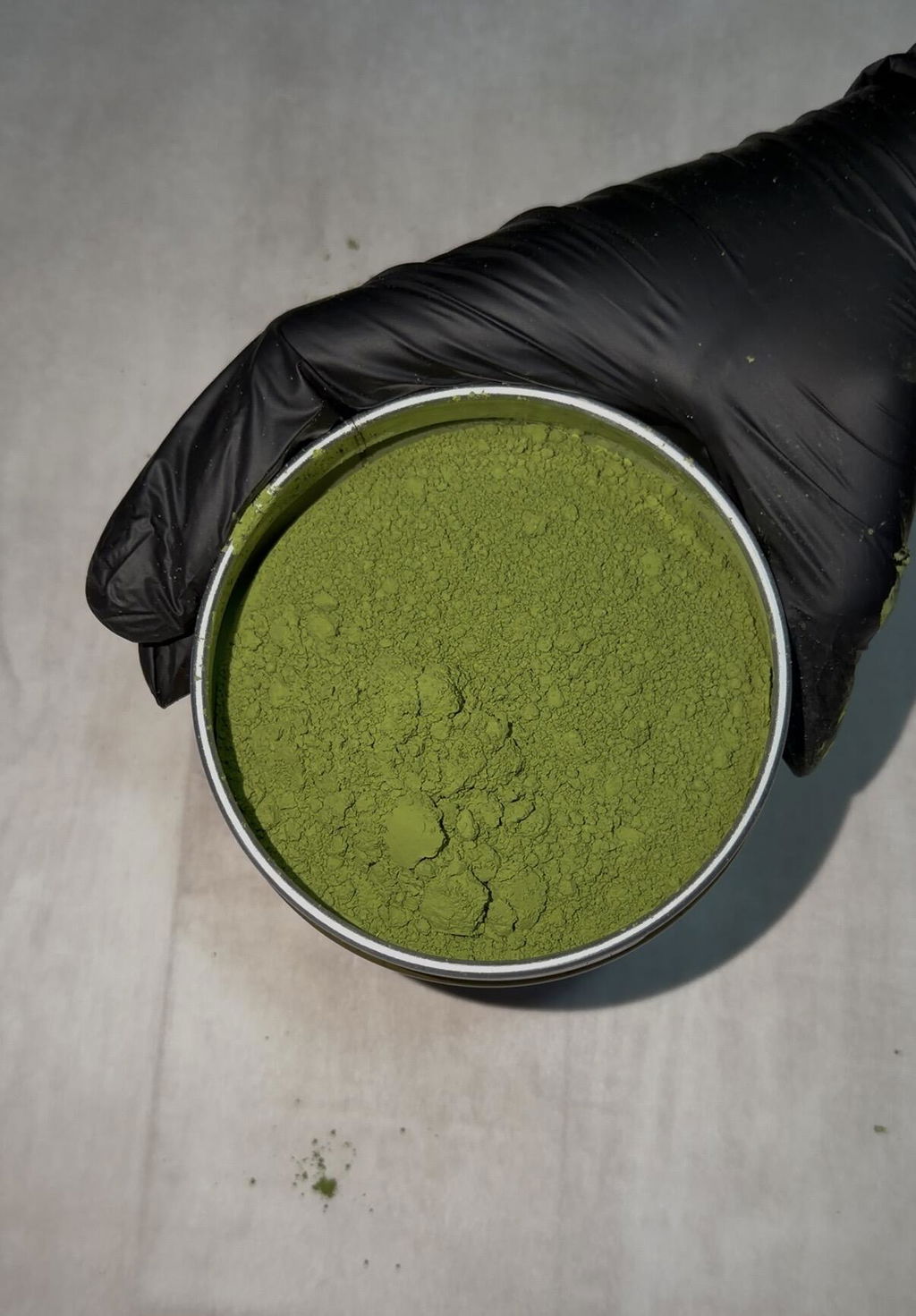
The most immediately noticeable feature is color. Saemidori produces teas with an exceptionally bright, almost luminous green hue, both in the dry leaf and in the brewed liquor. When processed into matcha (finely ground green tea powder), this vivid coloring becomes even more pronounced, yielding a powder of remarkable brilliance. For cafe owners and matcha specialists, this visual appeal is a genuine asset, as the eye-catching green translates beautifully into lattes, confections, and ceremonial preparations.
A Fresh, Inviting Aroma
Saemidori is known for a clean, fresh fragrance that many describe as reminiscent of young greens and spring air. The aroma tends to be gentle rather than overpowering, with a smoothness that complements its flavor rather than competing with it. This refined nose is one reason the cultivar is often selected for premium sencha (steamed green tea) and high-grade matcha.
Natural Sweetness and Low Astringency
Perhaps the most beloved quality of Saemidori is its sweetness. Thanks in part to its Asatsuyu heritage, the cultivar is naturally lower in the compounds that create sharp astringency, allowing a soft, rounded sweetness to come forward. Umami — the savory depth traditionally associated with fine Japanese green teas — is also well represented, particularly when the plants are shade-grown before harvest. Together, these traits make Saemidori approachable for newcomers while still offering the complexity that seasoned tea drinkers appreciate.
Where Saemidori Is Grown
Because of its love of warmth, Saemidori has found its heartland in the southern reaches of Japan, where the climate suits its early-budding nature.
Kagoshima Prefecture
Located at the southern tip of the island of Kyushu, Kagoshima has become one of the most important regions for Saemidori cultivation. Its warm climate, long growing season, and volcanic soils create ideal conditions, allowing the cultivar to express its sweetness and vivid color fully. Kagoshima is celebrated for its innovative, forward-looking approach to tea farming, and Saemidori fits naturally into this landscape of high-quality single-cultivar production.
Uji and Other Notable Areas
Saemidori is also grown in parts of Kyoto's famous Uji region, a historic center of Japanese tea renowned for its exceptional matcha and gyokuro. Here, the cultivar is often prized for premium shaded teas, where careful cultivation coaxes out extraordinary depth and refinement. Miyazaki and other warm districts across Kyushu likewise contribute fine Saemidori harvests, each reflecting the subtle influence of local soil, water, and craftsmanship.
How Saemidori Is Used
The versatility of Saemidori is part of its appeal. Depending on how it is grown and processed, it can take several forms.
- Matcha: When grown under shade and stone-ground, Saemidori yields matcha of vibrant color and gentle sweetness, well suited to both ceremonial preparation and culinary use.
- Sencha: As a steamed green tea, Saemidori offers a fresh, sweet cup with pleasing umami and minimal bitterness, making it an excellent everyday luxury.
- Kabusecha: Grown under partial shade for a shorter period than gyokuro, kabusecha (shaded tea) made from Saemidori strikes a lovely balance between the briskness of sencha and the richness of fully shaded teas.
This flexibility makes Saemidori a compelling choice for buyers who want a cultivar capable of performing across multiple product lines while maintaining a consistent, recognizable character.
A Note on Caffeine and Enjoyment
Like other green teas made from Camellia sinensis, Saemidori naturally contains caffeine, and it also contains L-theanine, an amino acid traditionally associated with a sense of calm focus. Many people find that green tea offers a gentler, more sustained experience than coffee, though individual responses vary. As always, we encourage enjoying tea in the way that suits your own preferences and lifestyle.
Why Saemidori Matters to Buyers and Cafe Owners
For those sourcing tea professionally, Saemidori offers a rare combination of visual impact, crowd-pleasing sweetness, and cultural pedigree. Its brilliant green color photographs beautifully and elevates menu presentation, while its approachable flavor appeals to a broad range of customers — from curious first-timers to devoted connoisseurs. Selecting a single-cultivar Saemidori also allows a business to tell a richer story about origin, craftsmanship, and the artistry of Japanese tea farming, adding genuine value beyond the cup.
Understanding cultivars like Saemidori is a step toward sourcing with confidence and intention, rather than treating green tea as a single, undifferentiated product. The more you know about what lies behind the leaf, the better equipped you are to choose teas that truly reflect your standards.
If Saemidori has sparked your curiosity, we would be delighted to help you taste the difference for yourself. At Wakokoro Tea, we work closely with dedicated growers to bring you thoughtfully selected Japanese teas that honor their origins — and our team is always happy to guide you toward the cultivar that best suits your palate or your business. Reach out to us anytime to begin your Saemidori journey.