
Pairing Matcha with Food: A Practical Guide
Wakokoro TeaShare
Matcha occupies a special place in Japanese culinary culture. Unlike steeped teas, where the leaves are infused and discarded, matcha is finely milled stone-ground green tea powder that is whisked directly into water — meaning you consume the whole leaf. The result is an intensely flavored beverage with a layered profile: vegetal sweetness, gentle astringency, a savory depth known as umami (the so-called fifth taste), and a lingering finish that can be both bracing and soothing. These qualities make matcha extraordinarily versatile at the table, but they also demand a thoughtful approach to pairing.
Whether you are a café owner designing a tasting menu or a curious home enthusiast, understanding how matcha interacts with food can transform a simple cup into a memorable experience. This guide walks through sweet pairings rooted in centuries of tradition, modern savory applications, and a few combinations best avoided.
Understanding Matcha's Flavor Before You Pair
Successful pairing begins with knowing what is in your bowl. Matcha is not a single, uniform flavor. Ceremonial-grade matcha, made from the youngest spring leaves and shaded for several weeks before harvest, tends to be smooth, sweet, and rich in umami with minimal bitterness. Culinary-grade matcha, by contrast, is typically bolder and more astringent — qualities that actually help it stand up to other ingredients in baking and cooking.
This distinction matters enormously. A delicate, high-grade matcha enjoyed in the traditional way deserves an equally delicate companion, while a robust culinary matcha can hold its own against sugar, butter, and salt. Matching intensity to intensity is the single most important principle in matcha pairing.
Sweet Pairings: The Classic Companions
The pairing of matcha with sweets is no accident — it is the foundation of the Japanese tea ceremony itself. The slight bitterness and astringency of whisked matcha are traditionally balanced by something sweet served just beforehand, allowing the palate to fully appreciate the tea that follows.
Wagashi: The Time-Honored Match
Wagashi (traditional Japanese confections) were practically designed to accompany matcha. These sweets are often made from ingredients such as anko (sweetened red bean paste), mochi (pounded glutinous rice), agar jelly, and chestnut. Their refined, restrained sweetness contrasts beautifully with matcha's earthy depth without overwhelming it.
Several styles work particularly well:
- Nerikiri — delicate, sculpted bean-paste sweets, frequently shaped to reflect the season, offering soft sweetness and an elegant texture.
- Dorayaki — fluffy pancakes sandwiching red bean paste, whose gentle sweetness echoes matcha's vegetal notes.
- Higashi — dry pressed-sugar sweets that dissolve slowly, ideal alongside a thicker, more concentrated preparation of matcha.
- Yokan — a firm jelly of red bean and agar, its dense sweetness providing a satisfying counterpoint.
The underlying logic is balance. Wagashi are sweet but never cloying, and their flavors — beans, rice, chestnut — share an earthy, plant-based character that harmonizes with matcha rather than competing with it.
Chocolate: A Modern Pairing Worth Exploring
Chocolate and matcha have become a beloved contemporary pairing, and for good reason. Both ingredients carry natural bitterness and complex aromatic layers, which can either clash or complement depending on how they are handled.
As a general rule, white chocolate is matcha's most forgiving partner. Its creamy sweetness softens matcha's astringency, which is why matcha-and-white-chocolate confections are so popular. Dark chocolate offers a more sophisticated, grown-up pairing: when the cacao percentage is moderate — around 55 to 70 percent — the two bitternesses can play off one another in an intriguing way. Very high-percentage dark chocolate, however, risks overpowering all but the boldest matcha.
Milk chocolate sits comfortably in the middle, its dairy richness rounding out matcha's edges. When pairing, consider serving the chocolate in small quantities so that the matcha remains the star rather than being eclipsed.
Other Sweet Directions
Beyond tradition, matcha pairs gracefully with a range of Western-style desserts. Buttery shortbread, lightly sweetened sponge cakes, and dairy-forward treats such as panna cotta or vanilla ice cream all provide a creamy canvas. Citrus is another rewarding companion — a touch of yuzu or lemon can brighten matcha's vegetal qualities and lift the whole pairing. Many people find that a scoop of matcha ice cream alongside fresh berries strikes a particularly satisfying balance of bitter, sweet, and tart.
Savory Applications: Matcha Beyond Dessert
While matcha is most associated with sweets, its umami-rich profile makes it a genuinely interesting savory ingredient. Chefs increasingly use it as a seasoning and finishing element, where it behaves almost like a fragrant green spice.
Matcha Salt and Seasoning
One of the simplest savory uses is matcha shio (matcha salt), a blend of fine salt and culinary matcha. It is traditionally served with tempura, where it adds a vegetal lift to crisp, fried morsels without the heaviness of dipping sauce. The same blend works beautifully sprinkled over grilled vegetables, edamame, or even fresh popcorn.
Cooking and Baking
In the kitchen, culinary matcha can be folded into a surprising number of savory preparations:
- Whisked into noodle dough for matcha soba or udon, lending color and a subtle grassy note.
- Blended into savory crusts for fish or chicken.
- Stirred into creamy soups or risotto for an earthy undertone.
- Used as a finishing dust over scallops, white fish, or fresh cheeses.
In savory cooking, restraint is essential. Matcha's bitterness intensifies with heat, so it is often best added toward the end of cooking or used as a garnish rather than subjected to prolonged high temperatures.
Beverages and Lighter Bites
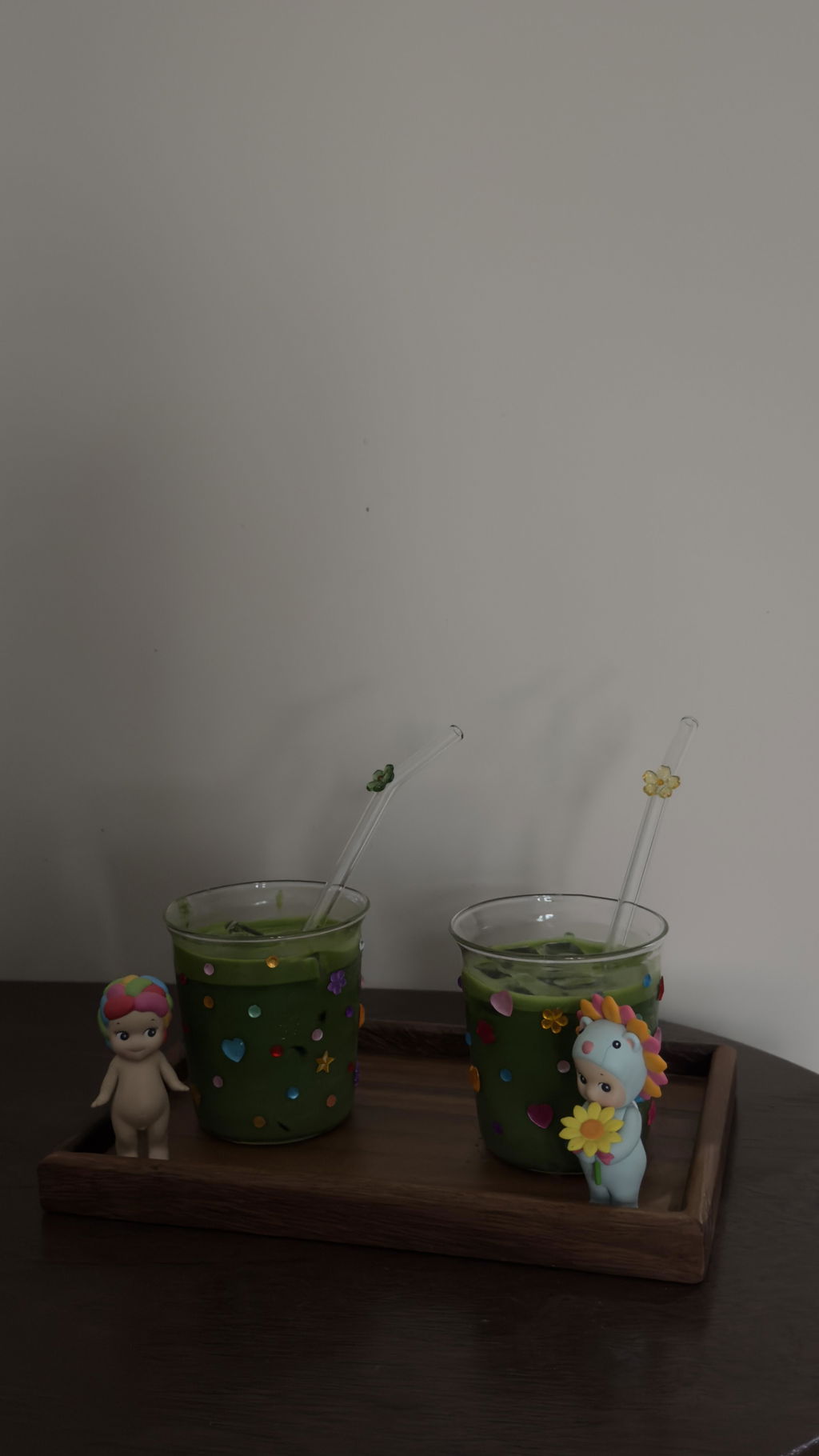
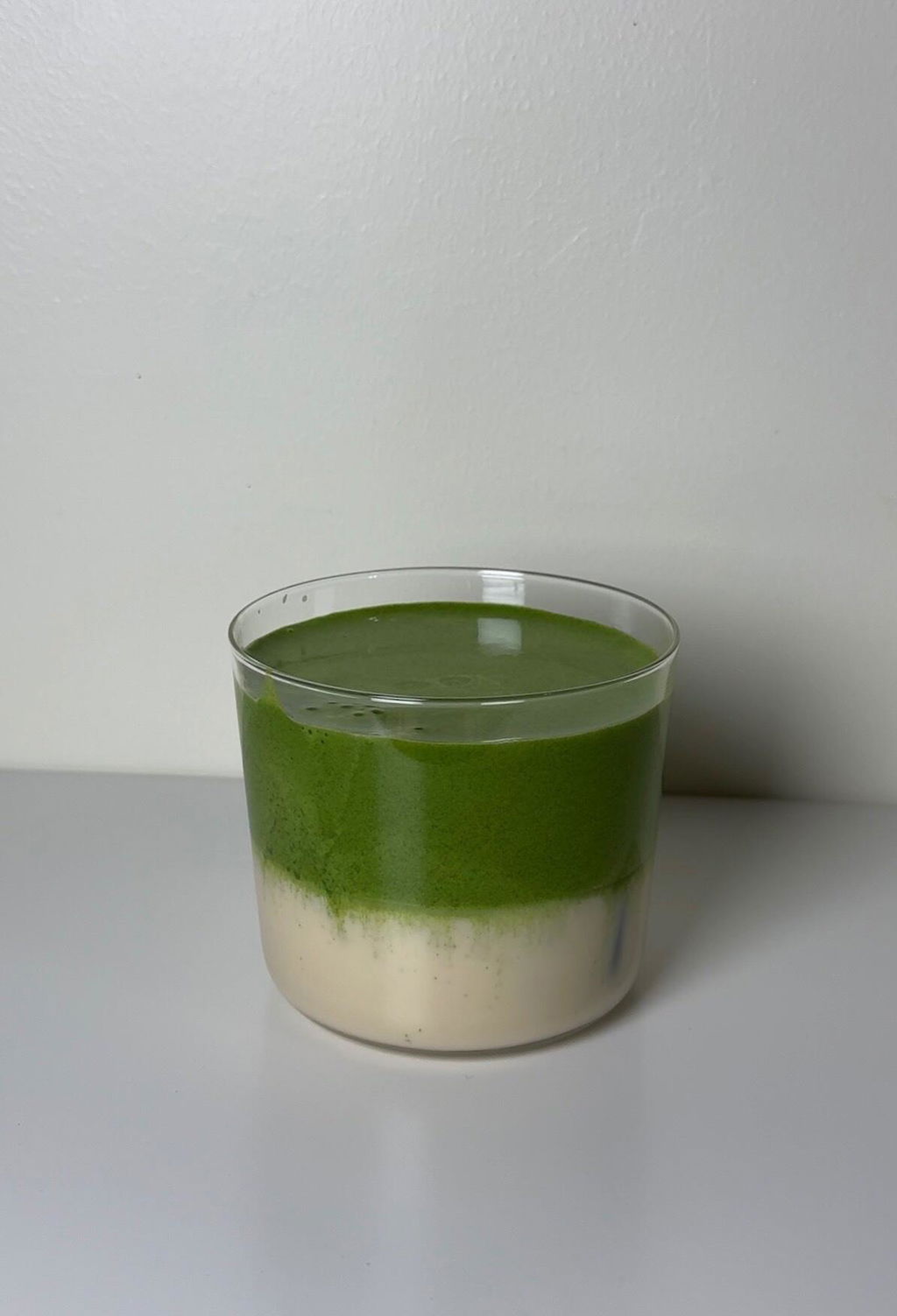
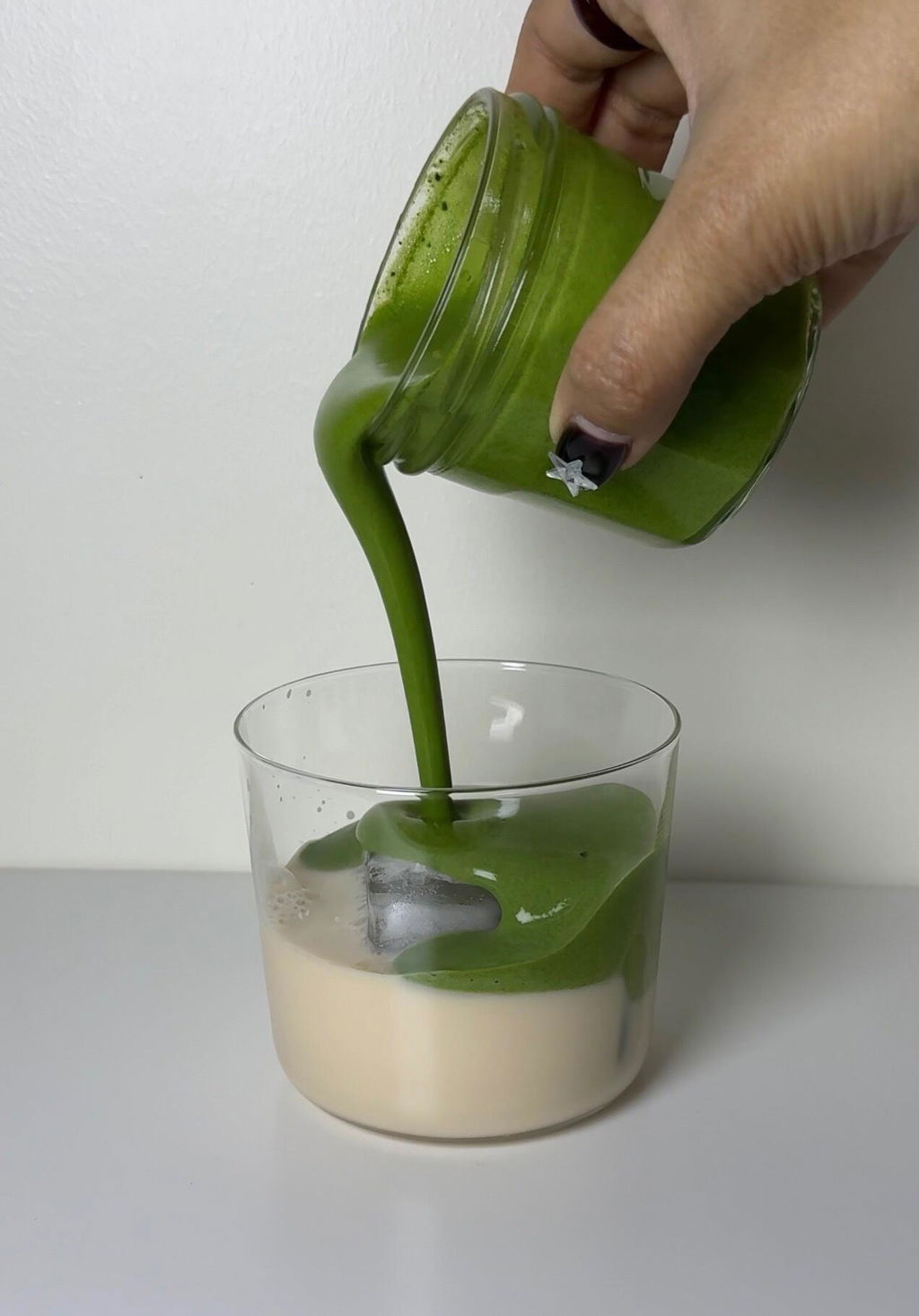
For café menus, matcha lattes and iced matcha drinks pair naturally with savory brunch items such as avocado toast, egg dishes, and lightly salted pastries. The drink's creaminess and gentle bitterness cut through richness in a refreshing way, making it a versatile all-day option.
What to Avoid
Just as some pairings elevate matcha, others can flatten or distort it. A few combinations are worth approaching with caution:
- Overpowering spices. Strong chili heat, heavy garlic, and pungent spice blends tend to bury matcha's subtle umami and vegetal notes entirely.
- Very acidic or sour foods. While a hint of citrus can be lovely, sharply acidic dishes — heavy vinegar dressings, for instance — can clash with matcha's astringency and create an unpleasant metallic impression.
- Intensely bitter pairings. Combining matcha with espresso shots, very dark chocolate, and bitter greens all at once stacks bitterness upon bitterness, overwhelming the palate.
- Heavily salted or briny foods. A light touch of salt enhances matcha, but strongly salted cured meats or anchovy-forward dishes can dominate its delicate character.
- Artificial or overly sugary flavors. Synthetic flavorings and excessively sweet confections mask the very nuances that make quality matcha worth drinking.
The guiding principle is simple: protect matcha's delicacy. When a pairing leaves you unable to taste the tea, the balance has tipped too far.
Building Your Own Pairings with Confidence
The beauty of matcha pairing lies in its flexibility. Start by identifying your matcha's intensity, then choose companions that either complement its umami or gently offset its bitterness with sweetness, creaminess, or a whisper of salt. Taste as you go, trust your palate, and remember that the most celebrated pairings — matcha and wagashi above all — endure because they respect rather than overwhelm the tea.
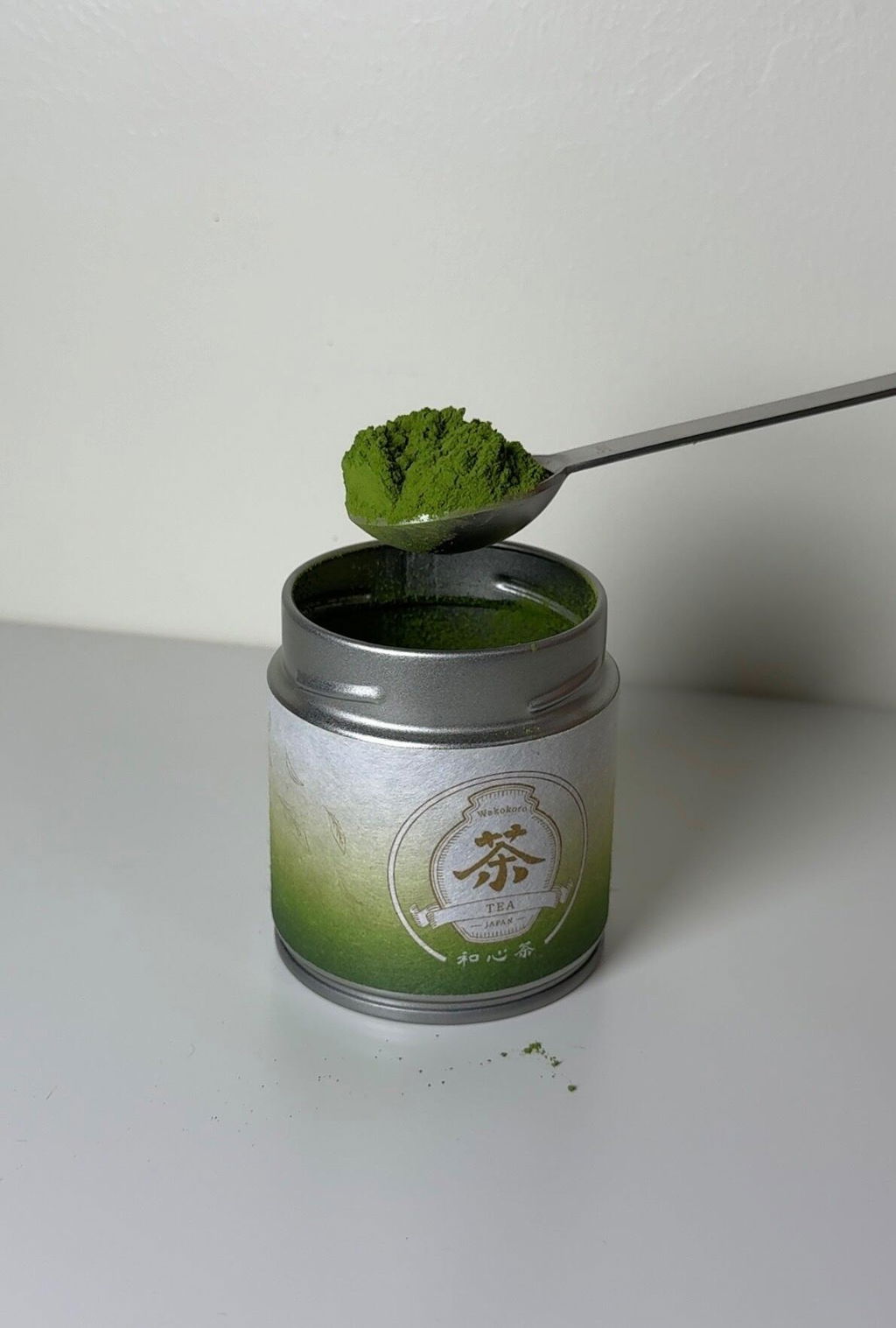
If you are ready to bring these pairings to life, the quality of your matcha will make all the difference. At Wakokoro Tea, we work directly with dedicated Japanese growers to offer both ceremonial and culinary matcha suited to every application — from a quiet bowl beside a seasonal sweet to an ambitious café creation. Reach out to our team, and let us help you find the matcha that brings your menu, and your table, to life.