
How to Evaluate a Matcha Sample: A Step-by-Step Tasting Method
Wakokoro TeaShare
Choosing matcha from a sample is one of the most important skills a buyer can develop. A single tin or pouch can look convincing on the surface, yet reveal its true character only when you slow down and examine it properly. Whether you are a cafe owner comparing options for your menu or a wholesale buyer narrowing a shortlist, a consistent tasting method removes guesswork and lets you compare like with like. The goal is not to rely on intuition alone, but to build a repeatable protocol you can trust across dozens of samples, seasons, and suppliers.
Below is a four-stage approach that moves from the visual and aromatic qualities of the dry powder through to how the matcha behaves when whisked as usucha (thin tea) and, finally, how it holds up in milk. Each stage builds on the last, and together they give you a well-rounded picture of quality, versatility, and value.
Before You Begin: Setting Up for a Fair Comparison
Consistency is everything. If you evaluate each sample under slightly different conditions, your results become difficult to compare. A few simple preparations make your assessment far more reliable.
- Use the same water temperature and volume for every sample — around 70–80°C is a common range for usucha.
- Measure your matcha by weight (a small scale is invaluable), typically 1.5–2 grams per bowl.
- Taste in natural daylight where possible, so colour is not distorted.
- Cleanse your palate between samples with plain water, and avoid strong flavours beforehand.
- Take written notes immediately — memory fades quickly when tasting several samples in one session.
If you are comparing matcha intended for different purposes — say, a ceremonial-style grade for drinking versus a culinary grade for lattes — group them accordingly. Judging a latte-focused matcha by the standards of a premium drinking grade is rarely fair to either.
Stage One: The Visual Check
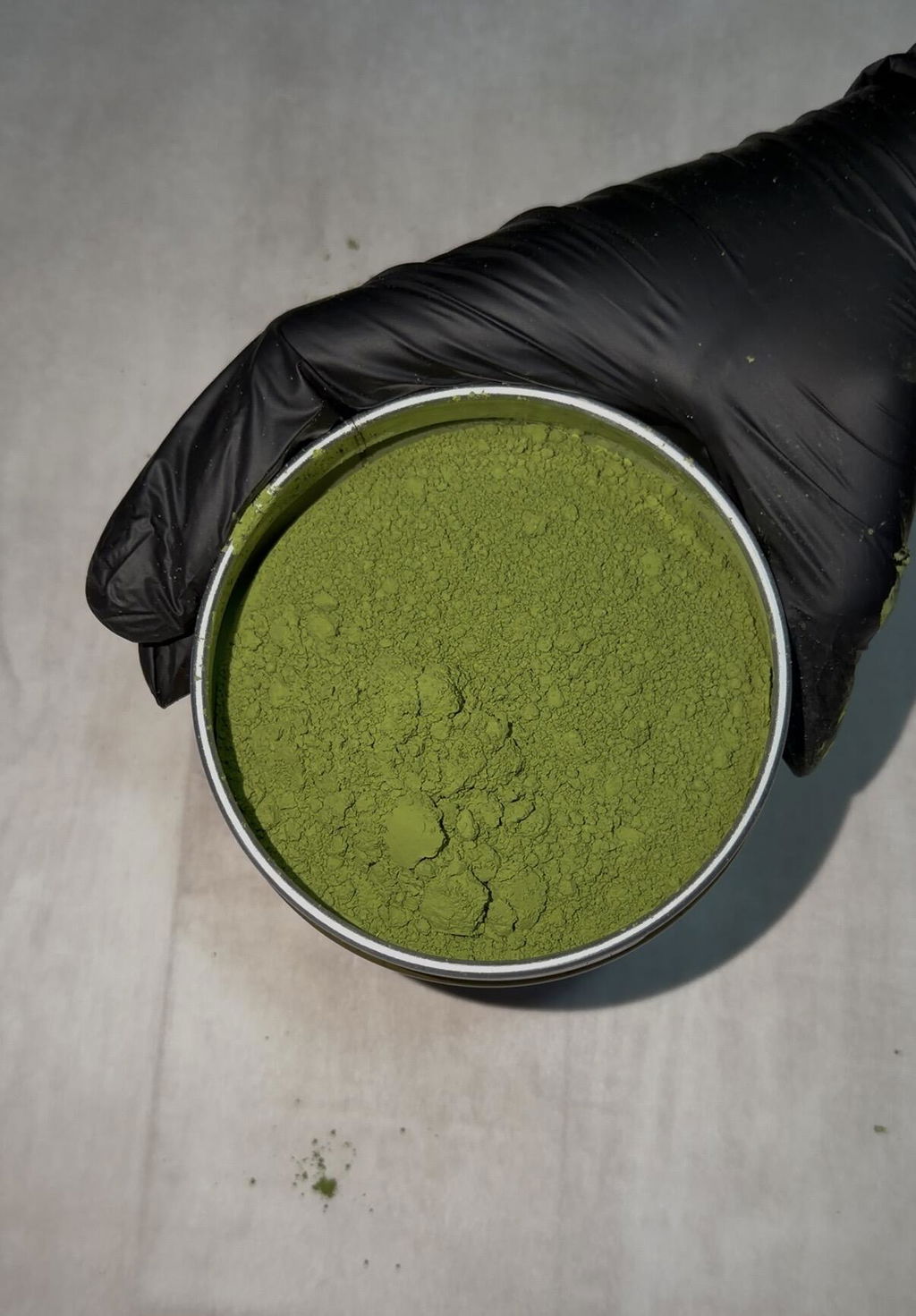
Your eyes offer the first clue to quality, long before any water touches the powder. Pour a small amount onto a white plate or sheet of paper and look closely.
Colour
High-quality matcha is typically a vivid, almost luminous green — a shade sometimes described as emerald or jade. This vibrancy is traditionally associated with careful shading of the tea plants before harvest, which encourages the development of chlorophyll. A dull, yellowish, or khaki tone can suggest older leaf, lower-grade material, oxidation, or improper storage. That said, colour alone is not a guarantee of flavour, which is why it is only the first stage.
Texture and Fineness
Rub a small pinch between your fingers. Premium matcha, stone-ground slowly from tencha (the shade-grown leaf used to make matcha), feels exceptionally fine — almost like talc or eyeshadow. Coarser, grittier textures often indicate faster or less refined milling. Finer particles tend to suspend more smoothly when whisked, contributing to a silkier mouthfeel.
Uniformity
Look for an even colour and consistent particle size. Visible flecks, pale specks, or uneven tones can point to stem and vein content or a less meticulous production process.
Stage Two: The Dry Aroma
Before whisking, bring the powder to your nose and inhale gently. The dry aroma reveals a great deal about freshness and character.
Fresh, well-made matcha often carries a sweet, grassy, or marine-like fragrance — notes that many tasters describe as reminiscent of fresh greens, nori (dried seaweed), or sweet hay. This umami-rich aroma is frequently linked to shade-grown cultivation.
Be alert to warning signs. A flat, papery, or dusty smell can indicate staleness. Any sour, musty, or hay-like staleness suggests the matcha has been exposed to air, heat, or light for too long. Because matcha is delicate and degrades relatively quickly once opened, the dry aroma is one of your best early indicators of how well a product has been stored and how recently it was milled.
Stage Three: Whisking as Usucha
Now comes the heart of the evaluation. Preparing the matcha as usucha — the standard thin preparation whisked with a chasen (bamboo whisk) — shows you its true flavour without anything to hide behind. This is where you learn whether a sample is genuinely enjoyable to drink.
Preparing the Bowl
- Sift 1.5–2 grams of matcha into a warmed, dry chawan (tea bowl) to break up any clumps.
- Add roughly 60–70 ml of water at 70–80°C.
- Whisk briskly in a "W" or "M" motion until a fine, even foam forms on the surface.
Repeat this identically for each sample so differences in technique do not cloud your judgement.
Assessing the Foam and Colour
A fine, creamy, persistent foam often reflects well-milled, fresh powder. Large, unstable bubbles that collapse quickly can suggest coarser particles. Note the colour of the liquid too — it should generally echo the vibrant green of the dry powder.
Tasting Thoughtfully
Sip slowly and let the matcha coat your whole palate. Consider these qualities:
- Umami and sweetness: Premium matcha tends to show a savoury depth and natural sweetness, traditionally associated with high amino acid content such as L-theanine.
- Bitterness and astringency: A little is natural and even pleasant, but harsh or lingering bitterness can indicate lower grade or over-extraction.
- Body and texture: Does it feel smooth and rounded, or thin and watery?
- Finish: The best matcha often leaves a lingering, pleasant aftertaste. A clean, sweet finish is a strong sign of quality.
Take your time here and revisit each sample after a minute or two, as flavours can evolve as the tea cools.
Stage Four: Performance in Milk
For most cafe buyers, how a matcha performs in milk is just as important as how it drinks on its own. A matcha that shines as usucha may fade when combined with dairy or plant-based milks, while a robust culinary grade might hold its own beautifully.
Preparing a Test Latte
Whisk or blend a consistent amount of matcha — often around 2 grams — with a small quantity of hot water to form a smooth paste, then add a measured volume of milk. Use the same milk, temperature, and ratio for every sample. If you serve several milk types in your cafe, it is worth repeating the test with each, as plant-based milks can interact quite differently with matcha.
What to Look For
- Colour: Does the matcha keep an appealing green, or turn dull and grey?
- Flavour presence: Can you still taste the matcha clearly through the milk, or does it disappear?
- Balance: Is there enough structure to stand up to sweetness if a customer adds syrup or sugar?
- Mouthfeel: Does it integrate smoothly, or leave a chalky, gritty residue?
A matcha that offers vivid colour, clear flavour, and good balance in milk is a strong candidate for a busy menu, where consistency and visual appeal matter enormously.
Bringing It All Together
No single stage tells the whole story. A sample might look stunning yet taste flat, or drink beautifully as usucha yet vanish in a latte. By moving methodically through the visual check, dry aroma, whisked usucha, and milk test, you build a complete profile and can match each matcha to its best use. Record your notes in a simple, repeatable format — ideally scoring each category — so you can compare samples objectively today and revisit your impressions months from now.
Over time, this discipline sharpens your palate and your confidence. You will begin to recognise the hallmarks of careful cultivation, skilful processing, and proper storage almost instinctively, while still having the structure to justify your choices to colleagues or customers.
If you would like to put this method into practice, the team at Wakokoro Tea is always glad to help you find samples that suit your menu and your standards. Reach out to us to arrange a tasting selection, and we will guide you toward matcha that rewards every stage of the evaluation — from the first vivid glance to the final sip in milk.