
Hojicha Pairings: A Roasted Tea for All Occasions
Wakokoro TeaShare
There is a moment, just as the leaves begin to turn and the evenings draw in, when a cup of something warm and toasty feels exactly right. For many tea lovers in Japan, that something is hojicha (roasted green tea). With its amber colour, gentle aroma of caramel and roasted grain, and remarkably soothing character, hojicha has earned a quiet but devoted following far beyond its homeland. It is a tea that asks nothing of you — no precise water temperature, no anxious timing — and rewards you generously in return.
What makes hojicha especially compelling is how naturally it sits alongside food. Where some Japanese teas demand a respectful pause and undivided attention, hojicha is sociable and accommodating. It welcomes pastries, embraces chocolate, and seems made for the comforting flavours of autumn. In this guide, we explore why hojicha is such a versatile companion at the table, and how you can pair it with confidence — whether you are brewing a pot at home or building a thoughtful menu for your café.
What Is Hojicha, and Why Does It Pair So Well?
Hojicha begins life much like other Japanese green teas, but it undergoes one transformative step: roasting. Tea leaves — often bancha (a more mature, everyday green tea) or sometimes the stems known as kukicha — are roasted at high temperature in a porcelain or metal vessel. This roasting process, called baisen, changes everything. The bright, grassy, vegetal notes of unroasted green tea give way to warm tones of toasted nuts, caramel, woodsmoke, and roasted grain.
The roasting also reduces the tea's astringency and bitterness, producing a brew that is mellow, smooth, and rounded. This gentleness is the secret to hojicha's pairing power. A tea with sharp tannins or intense umami can compete with food, but hojicha tends to complement and cushion flavours rather than challenge them.
There is another practical reason hojicha suits so many occasions. The roasting process is often said to lower the caffeine content compared to many other green teas, which is why hojicha is traditionally enjoyed in the evening, after meals, and by people of all ages across Japan. While individual results vary, many find it a comforting choice when they want warmth without wakefulness.
The Flavour Profile in Brief
- Aroma: Toasted grain, caramel, roasted chestnut, gentle smoke
- Body: Light to medium, smooth and rounded
- Taste: Mellow sweetness, low bitterness, a clean and warming finish
- Colour: Reddish amber to deep brown, depending on the roast
Hojicha and Dairy: A Match Made for Comfort
If there is one pairing that has propelled hojicha into the international spotlight, it is its relationship with dairy. The roasted, nutty character of hojicha behaves remarkably like the warm notes of toasted caramel or browned butter, and these flavours find a natural partner in the richness of milk and cream.
The Hojicha Latte
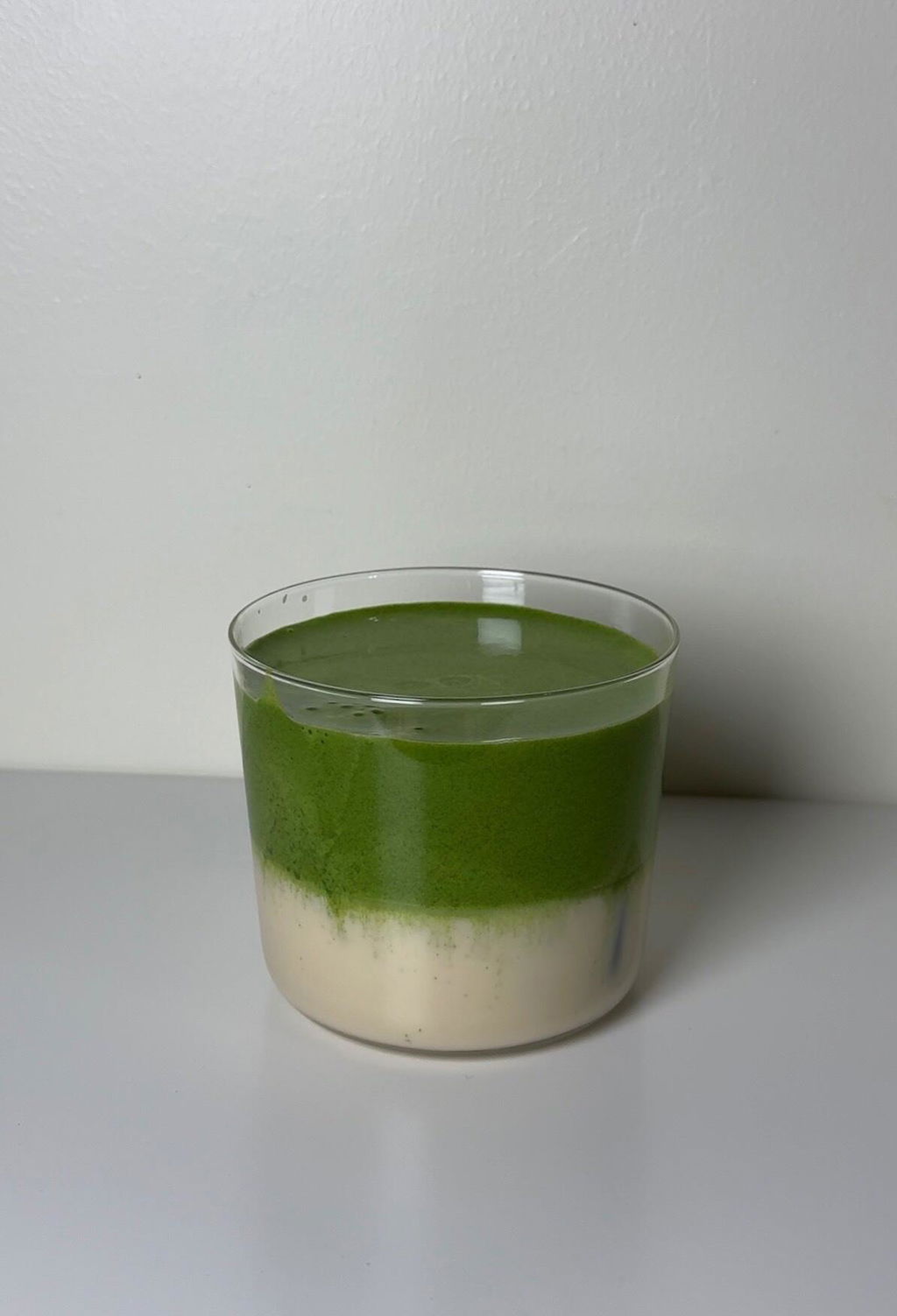
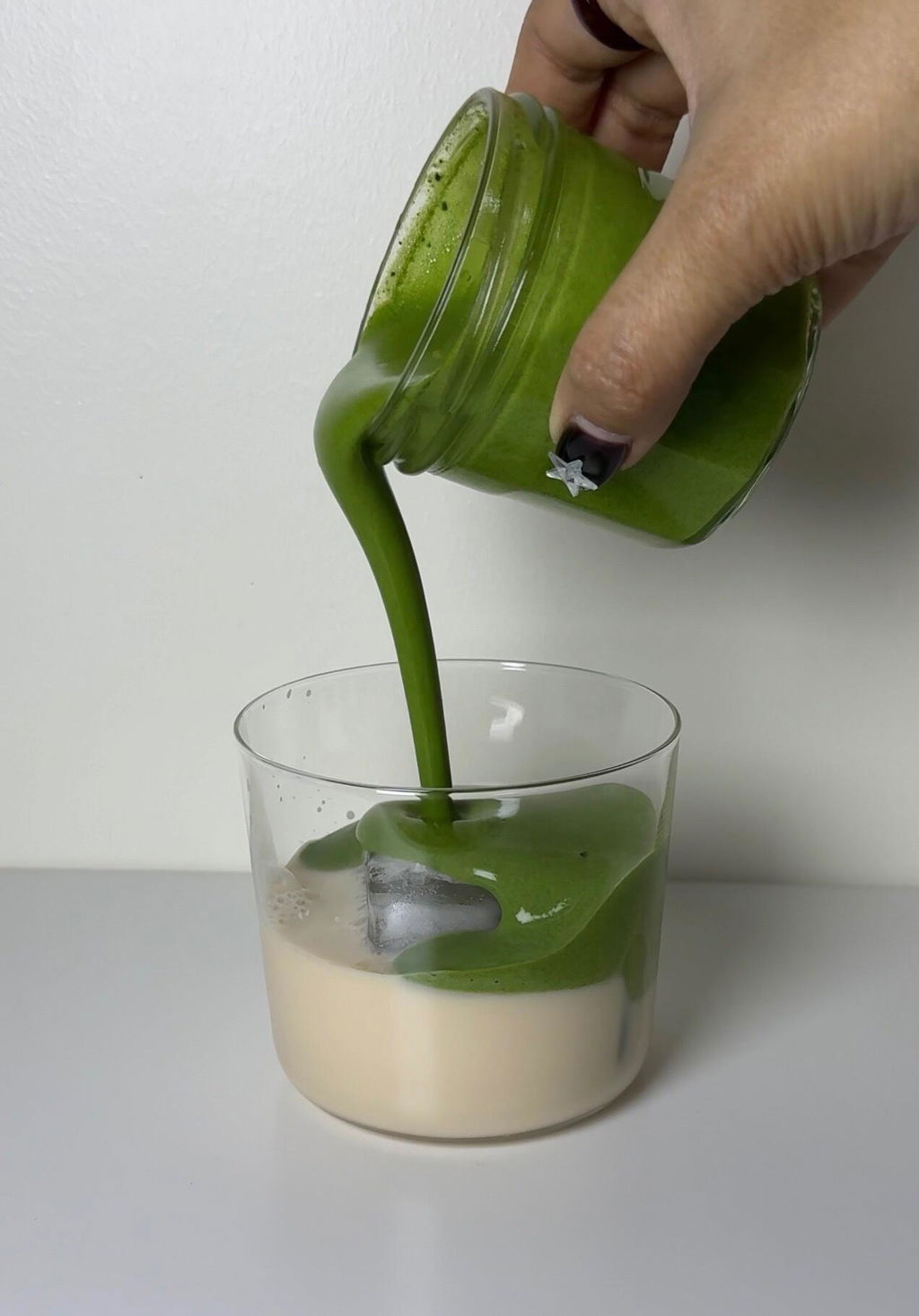
The hojicha latte has become a fixture on café menus around the world, and for good reason. When hojicha is brewed strong — or used in powdered form — and combined with steamed milk, the result is a drink that tastes gently of caramel and toast without any added sugar. The milk softens the tea's smoky edges, while the tea lends the milk a savoury-sweet warmth that feels far more sophisticated than its simplicity suggests.
For café owners, the hojicha latte offers an appealing point of difference. It provides the comforting, creamy experience customers love, while introducing them to a distinctly Japanese flavour. Because hojicha is often said to contain less caffeine than coffee or matcha, it can also serve as a welcome afternoon or evening option for guests seeking something gentler.
Hojicha in Ice Cream and Puddings
Beyond drinks, hojicha shines in cold and creamy desserts. Hojicha ice cream, panna cotta, and custards allow the tea's roasted notes to bloom against a backdrop of sweet cream. The contrast between cold dairy and toasty tea is genuinely delightful, and the colour — a soft, dusky beige — lends an elegant, understated look to any dessert plate.
Hojicha and Chocolate: Roasted Notes in Harmony
Chocolate and roasted flavours share a deep kinship. Both cacao and tea undergo roasting that develops complex, toasty, slightly bitter notes, so it is little wonder that hojicha and chocolate get along so well.
Dark Chocolate
With dark chocolate, hojicha plays a balancing role. The tea's mellow sweetness and lack of astringency soften the intensity of high-cacao chocolate, while its roasted aromatics echo the chocolate's own depth. A square of 70% dark chocolate alongside a cup of freshly brewed hojicha makes for a quietly luxurious pause in the day.
Milk and Caramel Chocolate
Milk chocolate and caramel-based confections lean into hojicha's sweeter, dairy-friendly side. Here the pairing becomes almost dessert-like, with the tea amplifying notes of toffee and toasted sugar. For those building a tasting menu, consider offering hojicha with a small selection of chocolates ranging from milk to dark, allowing guests to experience how the same tea shifts in character with each.
Hojicha and the Flavours of Autumn
Perhaps no season suits hojicha better than autumn. As cooler weather arrives, our palates turn toward warmth, spice, and earthy sweetness — and hojicha speaks this language fluently.
Roasted Chestnuts and Sweet Potato
In Japan, autumn brings kuri (chestnut) and satsumaimo (sweet potato) into season, and both are classic companions to hojicha. The tea's own chestnut-like aroma mirrors these ingredients beautifully. A slice of roasted sweet potato or a chestnut confection alongside hojicha feels seasonal, grounded, and deeply satisfying.
Spiced Bakes and Warm Pastries
Cinnamon, nutmeg, and ginger — the warming spices of autumn baking — harmonise wonderfully with hojicha's roasted base. Consider these pairings:
- Pumpkin or sweet potato cake
- Apple tart or baked apples with cinnamon
- Toasted nut cookies and shortbread
- Caramel or maple-flavoured pastries
- Banana bread and other warm, moist bakes
The common thread is warmth: hojicha thrives among flavours that have been browned, baked, roasted, or caramelised, because it shares their toasty DNA.
Savoury Autumn Dishes
Hojicha is not limited to sweets. Its clean, smoky finish makes it a fine partner for savoury autumn fare such as grilled mushrooms, roasted root vegetables, miso-based dishes, and grilled fish. In Japan, hojicha is frequently served with everyday meals precisely because its gentle character refreshes the palate without overwhelming the food.
Brewing Hojicha for Pairing
One of hojicha's greatest gifts is its forgiving nature. Unlike more delicate green teas, it can handle freshly boiled water without turning bitter.
- For a hot cup: Use roughly one tablespoon of leaves per cup, and steep in water around 90–95°C for 30 seconds to one minute.
- For pairing with rich desserts: Brew slightly stronger so the tea holds its own against sweetness and cream.
- For a latte: Brew a concentrated infusion or use hojicha powder, then combine with steamed milk.
- Iced hojicha: Brew strong, then chill — it makes a refreshing, lightly toasty cold drink for warmer days.
Because hojicha is so approachable, it is an ideal tea to offer customers who are new to Japanese tea. There is no intimidating ritual to master, only warmth and comfort to enjoy.
A Tea for Every Table
From a quiet evening cup to a carefully composed café menu, hojicha proves itself endlessly adaptable. Its roasted warmth bridges the worlds of sweet and savoury, hot and cold, traditional and modern. It pairs as happily with a humble piece of toast as it does with an elegant panna cotta — and in doing so, it reminds us that great tea need not be complicated to be deeply rewarding.
If you would like to bring the comforting character of authentic Japanese hojicha to your home or business, the team at Wakokoro Tea would be glad to help you find a roast that suits your taste and your menu. Reach out to us to learn more about our carefully sourced selections, and let the warmth of this remarkable tea become part of your own table.