Building a Matcha Menu for Your Cafe: A Practical Guide
Wakokoro TeaShare
Few ingredients have captured the imagination of cafe-goers quite like matcha. Its vivid green hue, gentle vegetal sweetness, and versatility have moved it far beyond the traditional tea room and into espresso bars, bakeries, and dessert counters around the world. Yet a truly great matcha menu is more than a single latte tucked between the coffee options. It is a considered offering that reflects an understanding of the ingredient, a commitment to quality, and a genuine desire to share something special with your customers.
Whether you are adding matcha to your cafe for the first time or refining an existing lineup, this guide will walk you through the essentials: crafting drinks, exploring food applications, sourcing for consistency, and helping your customers appreciate what makes authentic Japanese matcha so remarkable.
Understanding What Matcha Actually Is
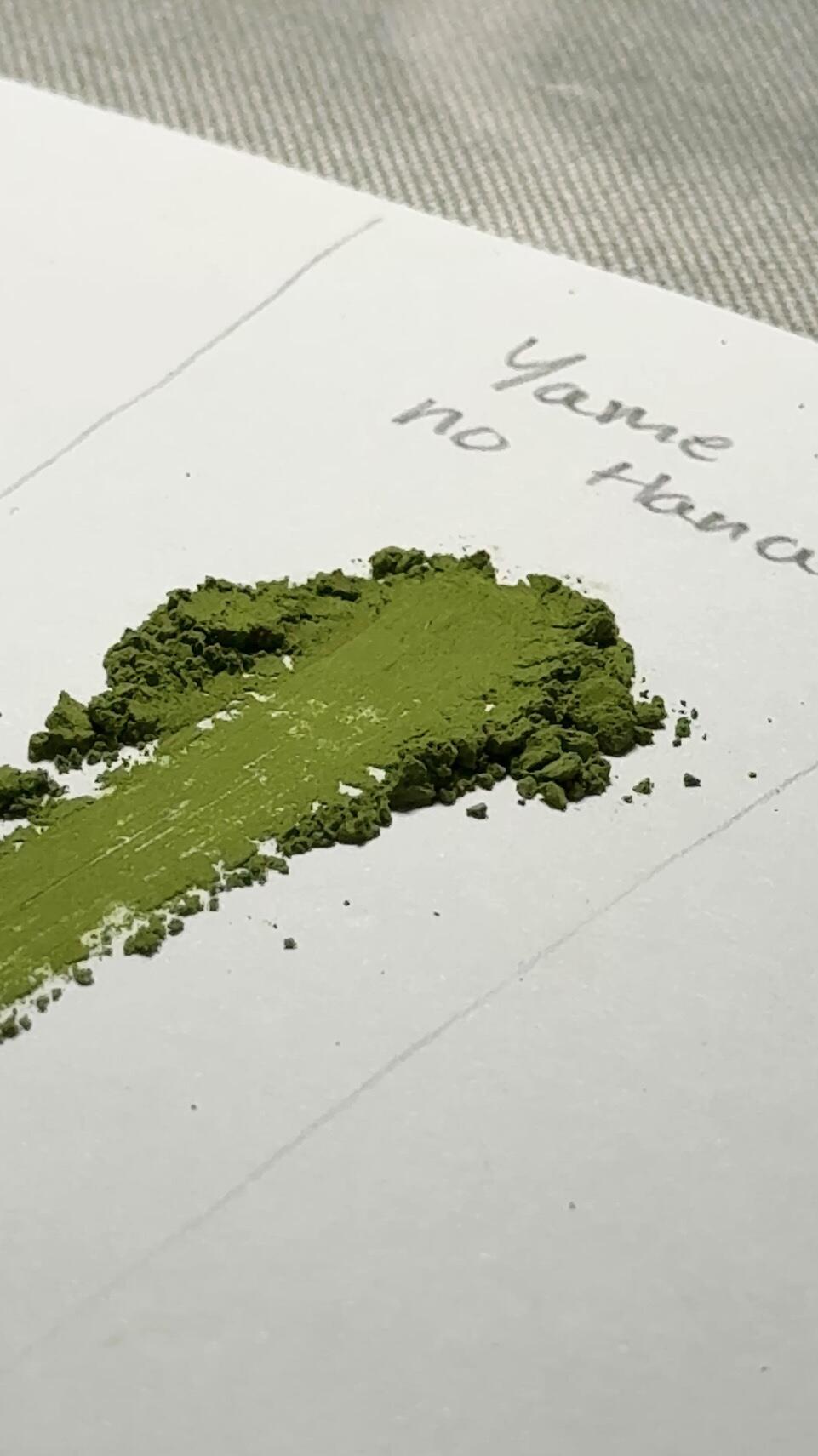
Before building a menu, it helps to ground your team in the fundamentals. Matcha is a finely stone-ground powder made from tencha (shade-grown green tea leaves that have been steamed and dried without rolling). The weeks of shading before harvest encourage the leaves to develop a deeper green colour and a rounder, more umami-rich flavour. This is what distinguishes matcha from ordinary powdered green tea.
Not all matcha is created for the same purpose, and this distinction will shape your entire menu. Broadly speaking, matcha falls into two categories:
- Ceremonial grade — smoother, sweeter, and more delicate, best enjoyed whisked simply with hot water (a preparation known as usucha, or "thin tea").
- Culinary or latte grade — bolder and slightly more astringent, designed to hold its flavour when combined with milk, sugar, or baked into food.
A well-stocked cafe often carries both, allowing you to serve a refined straight preparation for purists while using a robust culinary grade for lattes and pastries where cost efficiency and flavour strength matter more.
Designing Your Matcha Drink Lineup
Drinks are where most customers first encounter matcha, so this is the heart of your menu. The goal is to offer variety without overwhelming your baristas or your inventory.
The Essentials
Start with a solid foundation of three or four core drinks that showcase matcha in different ways:
- Traditional matcha (usucha) — whisked with hot water and served in a bowl or cup. This is your statement piece, demonstrating respect for the ingredient in its purest form.
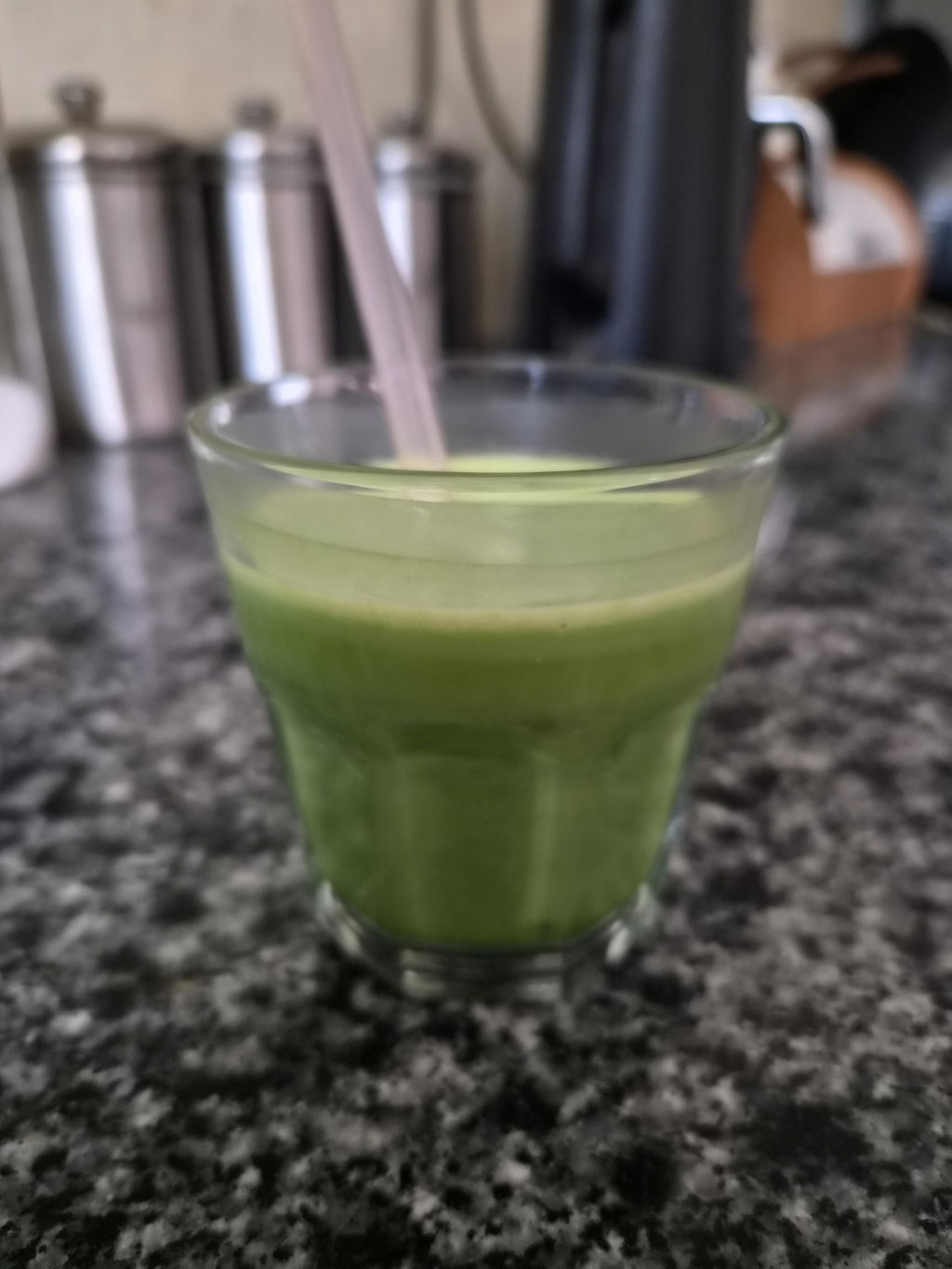
- Matcha latte (hot) — the crowd-pleaser. Quality milk and properly sifted matcha make all the difference here.
- Iced matcha latte — endlessly popular and highly photogenic, especially when the green layer swirls into the milk.
- Matcha with sparkling water — a refreshing, lighter option that appeals to customers seeking something less rich.
Signature and Seasonal Creations
Once your essentials are dialled in, seasonal and signature drinks give regulars a reason to return. Consider pairing matcha with complementary flavours that respect rather than mask its character:
- Matcha with hojicha (roasted green tea) for a layered, toasty contrast
- Yuzu or citrus matcha for a bright summer refresher
- Matcha with black sesame or kinako (roasted soybean flour) for a nutty, distinctly Japanese profile
- A matcha and vanilla or white chocolate blend for those with a sweeter preference
Because matcha is often said to offer a gentler, more sustained kind of energy than coffee—thanks in part to naturally occurring compounds such as caffeine and L-theanine that many people associate with calm focus—it can be positioned as a mindful alternative for customers looking to vary their daily ritual.
Bringing Matcha Into Your Food Menu
Extending matcha beyond the cup is one of the easiest ways to increase its value on your menu and reduce waste of open tins. Its slight bitterness balances beautifully against sweetness, making it a natural fit for baked goods and desserts.
Baked Goods and Pastries
Matcha folds effortlessly into a wide range of items:
- Matcha cookies, financiers, and madeleines
- Matcha-marbled loaf cakes and pound cakes
- Croissants or scones with a matcha glaze
- Matcha cheesecake, which pairs the tea's earthiness with creamy richness
Chilled Desserts
For cafes with a dessert focus, chilled applications are especially rewarding. Matcha soft-serve, panna cotta, tiramisu, and layered parfaits allow the colour and flavour to take centre stage. A dusting of sifted matcha over a finished plate adds both visual appeal and aroma.
A practical tip: reserve your finer, more expensive matcha for uncooked or lightly cooked applications where its flavour shines, and use a sturdier culinary grade for anything baked at high heat, where subtle nuances would be lost anyway.
Sourcing for Consistency
For a cafe, consistency is everything. A customer who loves your matcha latte on Monday expects the same experience on Friday. This is where sourcing becomes a strategic decision rather than a simple purchase.
Why Origin and Harvest Matter
Matcha's flavour is shaped by its growing region, the cultivar of tea plant, the timing of the harvest, and the skill of the producer. First-harvest (ichibancha) leaves, picked in spring, are traditionally associated with the sweetest, most refined matcha, while later harvests tend to be more robust and better suited to blending with milk.
Understanding these factors helps you match the right matcha to the right menu item—and communicate that story to your customers with confidence.
Building a Reliable Supply
To keep your menu stable, consider the following:
- Choose a dependable supplier who can guarantee consistent quality and reorder availability, rather than sourcing whatever is cheapest at any given moment.
- Standardise your grades so your team always knows which matcha goes into which drink or dish.
- Store matcha correctly—away from light, heat, air, and strong odours—to preserve its colour and freshness. Refrigeration of unopened, sealed tins can help, though opened matcha should be used relatively quickly.
- Track your usage to anticipate demand and avoid holding excess stock that may fade over time.
A trusted sourcing partner does more than deliver product; they help you understand seasonal variation and plan ahead so your customers never notice a dip in quality.
Educating Your Customers
One of the greatest opportunities a matcha menu offers is education. Many customers are curious but unsure, and a cafe that helps them understand what they are drinking builds loyalty and trust.
Small Touches, Big Impact
- Add brief tasting notes or origin details to your menu descriptions.
- Train baristas to answer common questions—the difference between grades, where the matcha comes from, and how it is prepared.
- Consider a short note explaining the shade-growing process or the meaning of terms like usucha.
- Offer the occasional tasting flight comparing a ceremonial preparation with a latte, letting customers experience the range for themselves.
When you frame matcha thoughtfully, customers come to see it not as a passing trend but as a craft with genuine heritage—one they are proud to be part of. This kind of storytelling naturally justifies premium pricing and sets your cafe apart.
Bringing It All Together
A memorable matcha menu balances four elements: drinks that delight, food that surprises, sourcing that never wavers, and education that deepens appreciation. Start small with a focused lineup, refine based on what your customers love, and let the quality of your matcha do the talking. Done well, matcha becomes far more than an add-on—it becomes a signature part of your cafe's identity.
If you are ready to build a matcha program grounded in authentic quality and dependable supply, the team at Wakokoro Tea would be glad to help. We work closely with cafe owners and wholesale buyers to source matcha suited to every application, from a serene traditional bowl to a bustling latte counter. Reach out to us to talk through your menu, request samples, and find the matcha that will keep your customers coming back.