
Building a Matcha Menu for Your Cafe: A Complete Guide
Wakokoro TeaShare
Few ingredients have captured the imagination of cafe-goers quite like matcha (finely stone-ground green tea). Its vivid jade color, layered flavor, and cultural depth make it a natural centerpiece for any modern menu. Yet building a matcha program that genuinely satisfies customers — and keeps them coming back — takes more than adding a single latte to the board. It requires thoughtful sourcing, a clear sense of how matcha behaves across drinks and food, and a willingness to share its story with your guests. This guide will walk you through each of these pillars so you can craft a matcha menu that feels both authentic and commercially sound.
Start with an Understanding of Matcha Grades
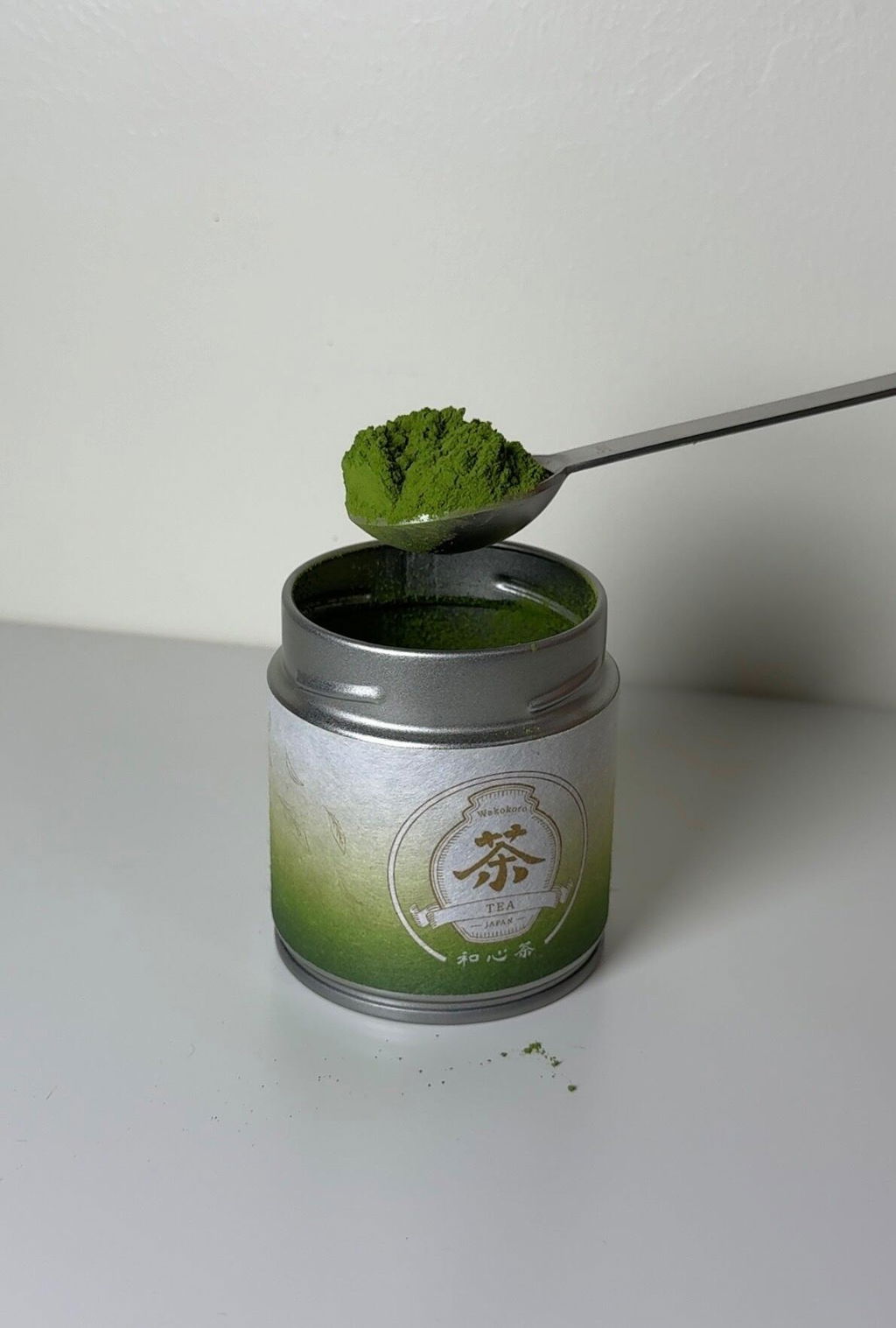
Before you design a single drink, it helps to understand that matcha is not a one-size-fits-all product. The character of matcha varies enormously depending on where it was grown, how long the tea plants were shaded, and how the leaves were processed after harvest. For a cafe, the most practical distinction is between ceremonial-grade and culinary-grade matcha.
Ceremonial Grade
Ceremonial-grade matcha is made from the youngest, most tender leaves of the spring harvest. It is prized for its smooth, naturally sweet flavor and minimal bitterness, traditionally enjoyed simply whisked with hot water in a preparation known as usucha (thin tea). This grade shines when matcha is the star and there is little to mask its nuances — think a straight matcha shot or a delicate latte.
Culinary Grade
Culinary-grade matcha is more robust and assertive, designed to hold its own when blended with milk, sweeteners, or baked into recipes. Because its flavor cuts through other ingredients, it is the workhorse of most cafe applications. A good culinary grade should still taste clean and vibrant — never dull or overly astringent — even when it is competing with sugar and dairy.
Many successful cafes stock two tiers: a premium grade for purists and signature beverages, and a dependable culinary grade for high-volume drinks and food. This approach lets you protect your margins without compromising quality where it matters most.
Designing Your Matcha Drink Lineup
Your beverage menu is where most customers will first encounter your matcha, so it deserves careful thought. A well-rounded lineup offers something for the newcomer and the connoisseur alike.
The Foundational Trio
Most matcha menus benefit from three core drinks that cover the spectrum of customer preferences:
- Hot matcha (usucha): Matcha whisked with hot water and nothing else. This is the truest expression of the tea and a quiet statement that your cafe takes matcha seriously.
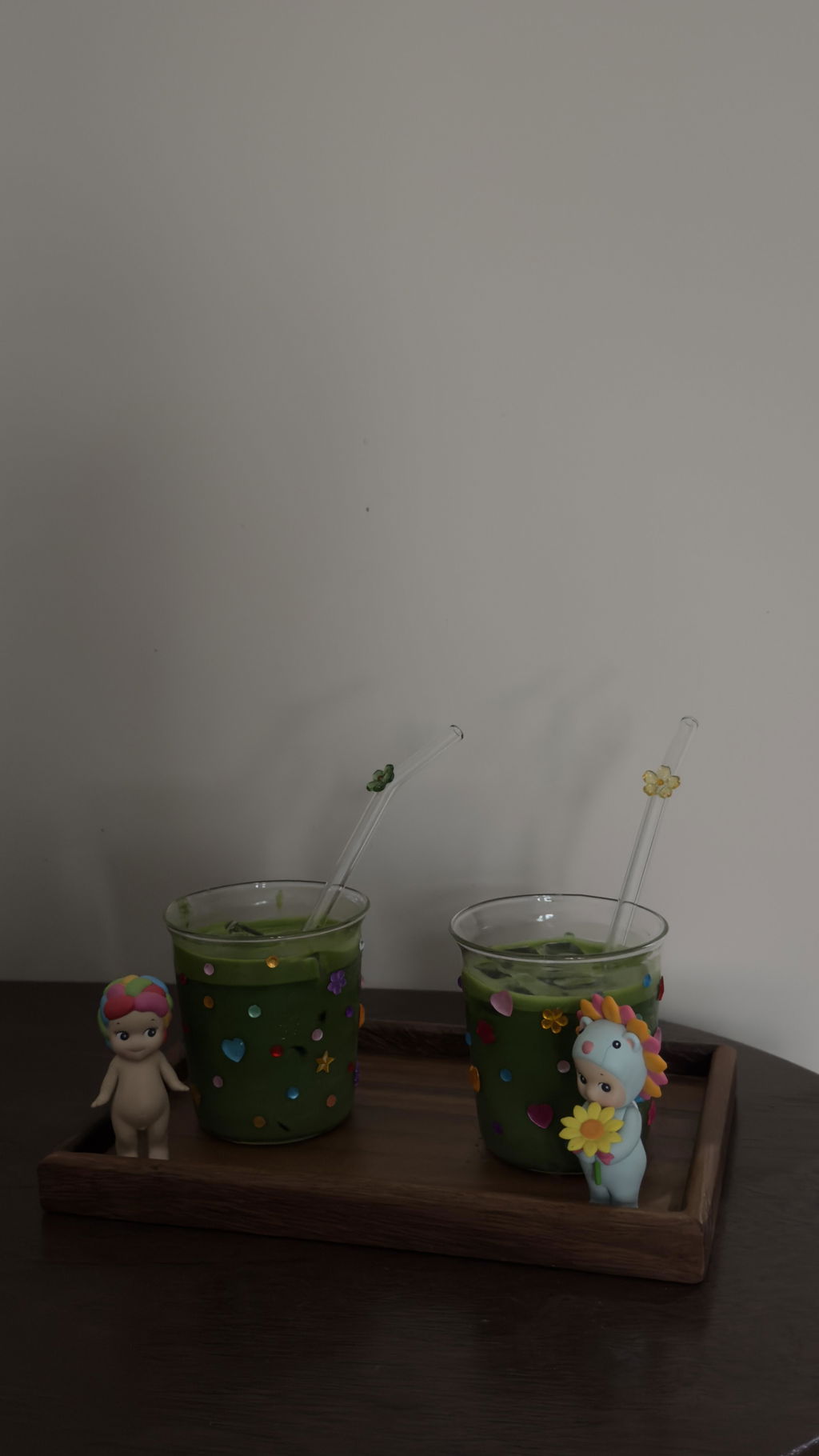
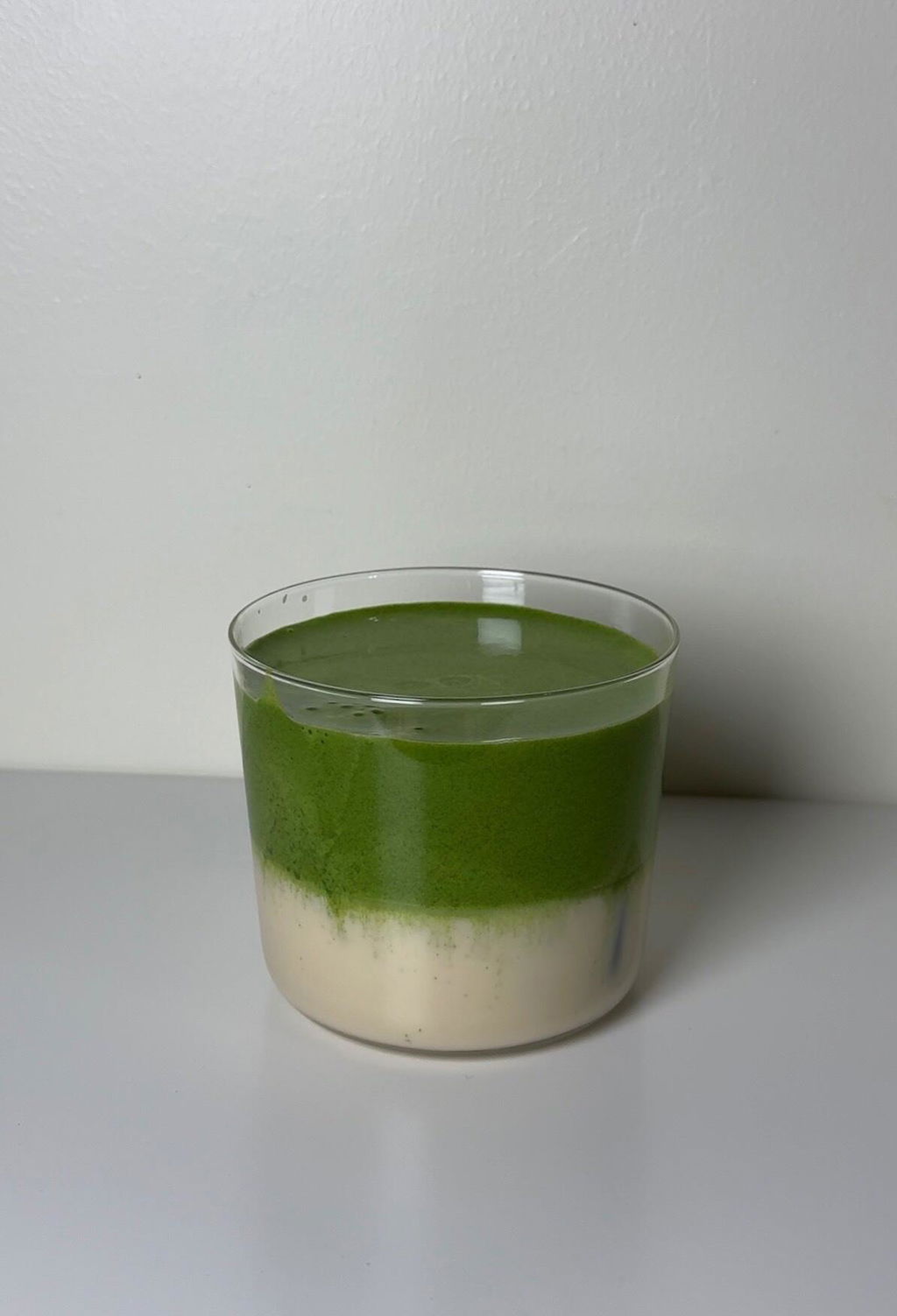
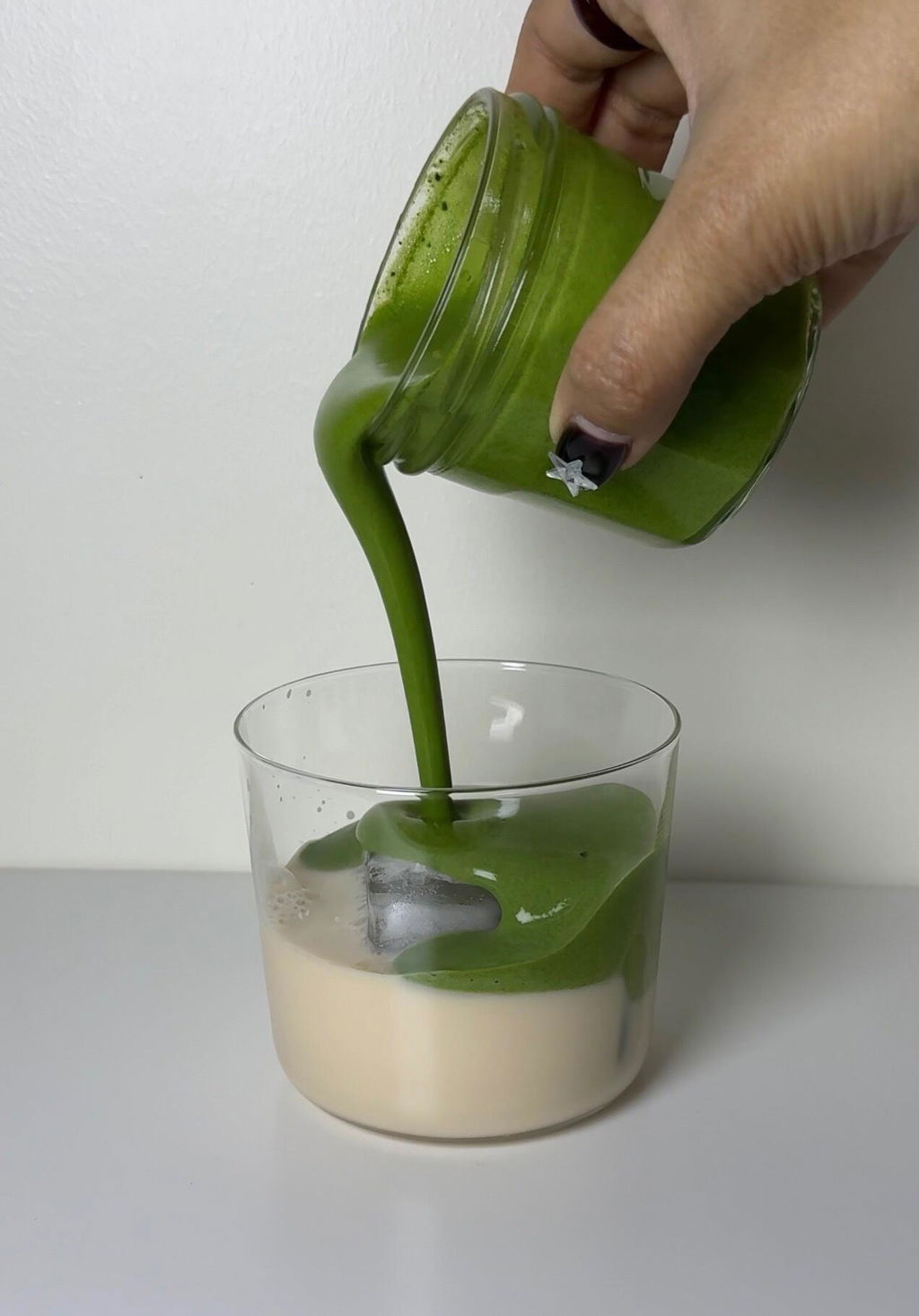
- Matcha latte: The crowd-pleaser. Served hot or iced, it introduces matcha to a wide audience and pairs beautifully with dairy and plant-based milks alike.
- Iced matcha: A refreshing, lighter option that highlights matcha's bright, grassy notes, ideal for warmer climates and warmer seasons.
Signature and Seasonal Creations
Once your foundation is set, signature drinks help your cafe stand out. Consider a matcha tonic with sparkling water and citrus, a matcha and hojicha (roasted green tea) layered latte, or a seasonal offering such as a matcha-yuzu cooler in summer or a matcha-spiced latte in cooler months. These limited creations give regulars a reason to return and provide natural content for social media, where matcha's photogenic color performs especially well.
When choosing milks, keep in mind that oat milk's natural sweetness tends to complement matcha gracefully, while almond milk can sometimes amplify bitterness. Offering a small selection and testing each one with your chosen matcha will help you guide customers toward the best combination.
Bringing Matcha into Your Food Menu
Matcha's appeal extends far beyond the cup. Incorporating it into your food offerings deepens your menu and makes the most of the matcha you already stock.
Baked Goods and Pastries
Culinary-grade matcha folds beautifully into cookies, pound cakes, scones, and muffins, lending both color and a gently bitter counterpoint to sweetness. Because heat and prolonged exposure to air can dull matcha's vibrancy, it is best to fold it in late in the mixing process and store finished goods away from direct light.
Desserts and Cold Applications
Cold and no-bake preparations often preserve matcha's color and flavor best. Matcha tiramisu, cheesecake, panna cotta, and soft-serve ice cream are reliable favorites. A simple dusting of matcha over a finished dessert also adds an elegant, recognizable touch with minimal effort.
Beyond the Sweet
For cafes that want to experiment, matcha can also appear in savory contexts — sprinkled into salt blends, whisked into salad dressings, or used as a finishing accent. These touches signal culinary creativity and reinforce that your kitchen understands matcha as a versatile ingredient, not merely a trend.
Sourcing for Consistency
Perhaps the greatest challenge in running a matcha program is consistency. A drink that tastes bright and smooth one week and flat the next will quietly erode customer trust. Because matcha is an agricultural product, some natural variation is inevitable — but a strong sourcing relationship minimizes it.
- Choose a reliable supplier. Work with a partner who understands the origins of their matcha and can explain the region, harvest, and processing behind it. Transparency is a hallmark of quality.
- Buy appropriate quantities. Matcha is at its best when fresh. Order volumes you can realistically use within a few weeks of opening, rather than stockpiling large amounts that may lose vibrancy over time.
- Store it properly. Keep matcha sealed, cool, and away from light, moisture, and strong odors, which it readily absorbs. Many cafes keep opened tins refrigerated in airtight containers.
- Document your recipes. Standardize gram weights, water temperatures, and ratios so that any barista can reproduce the same drink. Consistency is as much about process as it is about product.
Investing in a steady, communicative supplier relationship pays dividends. When you can rely on the character of your matcha season after season, you can confidently build a menu around it.
Educating Your Customers
Matcha rewards a little storytelling. Many guests are curious but unsure — they may not know why one matcha tastes sweeter than another, or why your latte costs a little more than a standard coffee. Thoughtful education turns that curiosity into appreciation and loyalty.
Simple Ways to Share Knowledge
- Add brief tasting notes to your menu, describing whether a drink is smooth and mellow or bold and grassy.
- Mention the origin of your matcha, such as a renowned growing region, to convey authenticity.
- Train staff to answer common questions, including the gentle, sustained quality of energy that matcha is often said to provide, thanks to the natural pairing of caffeine and an amino acid called L-theanine.
- Use cautious, honest language. Rather than overstating benefits, let the flavor and craftsmanship speak for themselves.
When customers understand what makes your matcha special, they perceive greater value and are more likely to explore your fuller menu — and to share their experience with others.
Bringing It All Together
A thriving matcha menu rests on four foundations: well-chosen grades, a balanced lineup of drinks and foods, dependable sourcing, and genuine customer education. Approach each with care and your matcha offering will become more than a passing trend — it will be a signature of your cafe's identity and a reflection of respect for centuries of Japanese craftsmanship.
If you are ready to build a matcha program founded on authentic, carefully sourced Japanese tea, the team at Wakokoro Tea would be glad to help you find the grades and quantities that suit your cafe. Reach out to us to talk through your menu vision and taste the difference that thoughtful sourcing makes.