
Autumn and Winter Tea in Japan: The Quiet Comfort of Bancha and Kukicha
Wakokoro TeaShare
When the air in Japan begins to cool and the maple leaves blaze across the hillsides, the rhythm of tea drinking changes in subtle but meaningful ways. The bright, grassy first-flush greens that define spring give way to something warmer, rounder, and more grounding. Autumn and winter are seasons of comfort, and Japanese tea culture answers that need with a quieter, more soothing repertoire — teas built from later harvests, mature leaves, and gentle roasting. For anyone wishing to understand the full breadth of Japanese tea, these cold-weather companions are every bit as compelling as the celebrated spring crops.
The Japanese Tea Calendar and the Meaning of Later Harvests
Japanese green tea is harvested in distinct flushes throughout the growing season. The first picking, known as ichibancha (first-flush tea), arrives in spring and is prized for its delicate sweetness and concentrated flavour. As the year progresses, subsequent harvests — nibancha (second flush) in early summer, sanbancha (third flush), and later pickings — produce leaves with a different character entirely.
Because the plant has had more time under strong sunlight, later-harvest leaves tend to be larger, more robust, and lower in the amino acids that give spring tea its prized umami. What they offer instead is a refreshing, brisk, and approachable flavour with a gentle astringency. These leaves form the backbone of many of Japan's everyday and cold-season teas, and they carry their own honest charm. There is something fitting about reaching for these humbler, hardier teas as the landscape itself settles into its winter rest.
Bancha: The Everyday Tea of the Colder Months
Bancha (common or everyday tea) is one of the most widely consumed teas in Japan, and it comes into its own as the temperature drops. Made from later harvests and more mature leaves, bancha has a mellow, slightly woody flavour with far less of the sharp grassiness found in premium spring greens.
Why Bancha Suits Autumn and Winter
Bancha's appeal in colder months rests on several qualities. Its flavour is comforting rather than challenging — easy to drink throughout the day and welcoming alongside hearty seasonal food. It is also generally lower in caffeine than first-flush green teas, which is one reason many people enjoy it in the evening, when a lighter, more soothing cup is often preferred.
Brewing bancha is forgiving, too. Unlike the delicate gyokuro (shaded green tea) that demands precise cool water, bancha can handle hotter water without turning unpleasantly bitter. This makes it a practical, warming choice for the kitchen table on a frosty morning.
Brewing Bancha
- Use water around 80–90°C — hotter than you would use for premium sencha.
- Steep for roughly 30 seconds to one minute, adjusting to taste.
- Use a generous amount of leaf, as bancha leaves are large and lighter by volume.
- The leaves can usually be re-steeped, offering a slightly different character each time.
Kukicha: The Tea of Stems and Twigs
Kukicha (twig tea), sometimes called bocha, is a distinctive Japanese tea made not primarily from leaves but from the stems, stalks, and twigs of the tea plant. During processing, these parts are separated out and given a second life as a tea in their own right. The result is a brew with a uniquely smooth, mild, and faintly sweet flavour that feels tailor-made for cosy afternoons.
A Surprising Depth from Humble Parts
It might seem counterintuitive that stems and twigs could yield such a pleasant cup, but kukicha is treasured for its lightness and its gentle, creamy notes. Because stems contain different compounds than leaves, kukicha tends to have a soft mouthfeel and a naturally low level of bitterness. Many people find it remarkably easy to drink, and its relatively modest caffeine content makes it a popular choice for those seeking a calmer cup later in the day.
There is also a more refined version known as karigane, made from the stems of higher-grade gyokuro or sencha. Karigane carries some of the umami and elegance of its parent leaves while retaining the smooth character that defines twig tea — a lovely option for those wishing to explore the category more deeply.
Brewing Kukicha
- Water around 80°C works well for everyday kukicha; lower for premium karigane.
- A short steep of 30 to 45 seconds preserves its delicate sweetness.
- The light, airy stems brew quickly, so keep an eye on the timing.
Hojicha: Roasted Warmth in a Cup
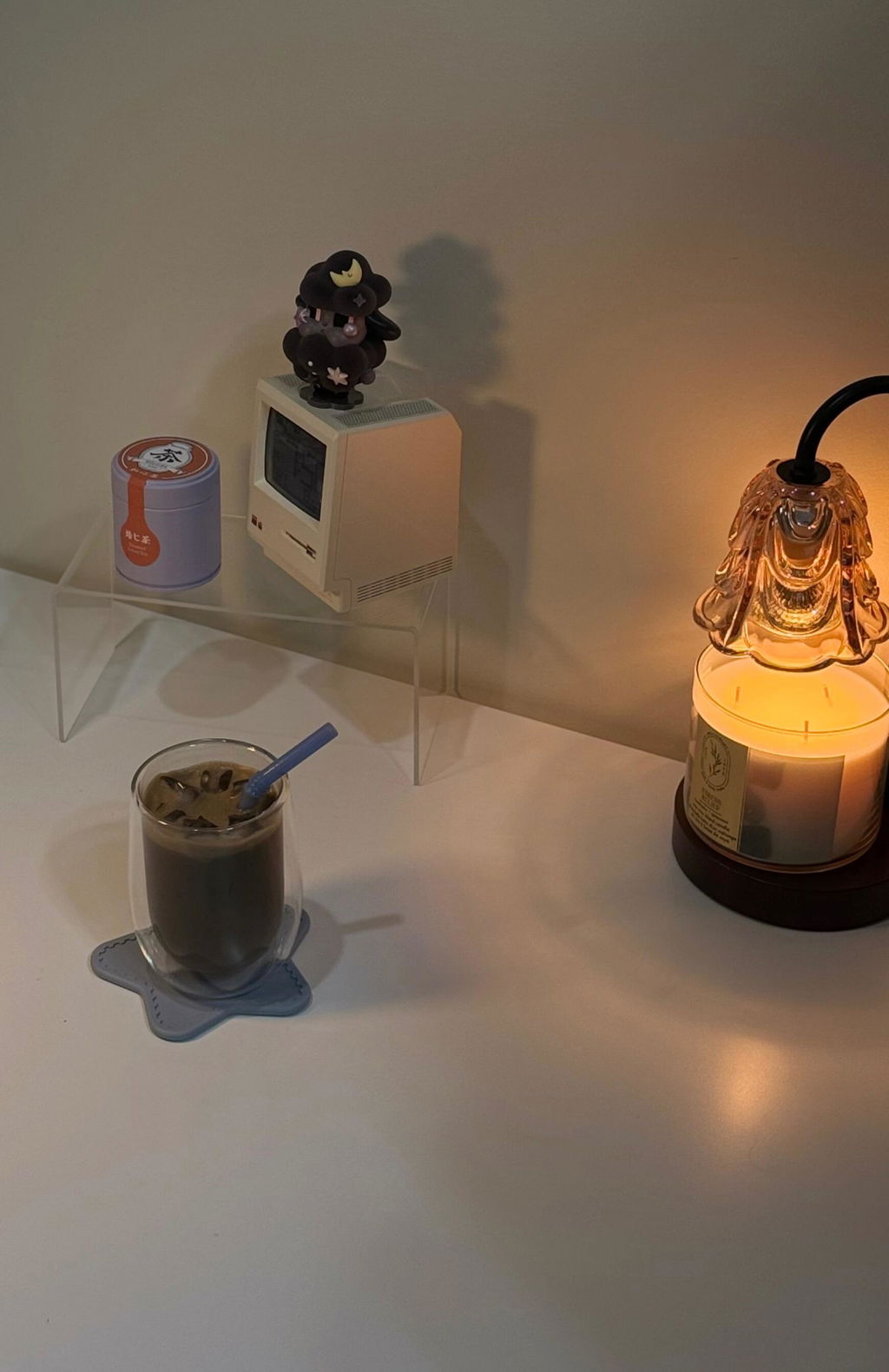
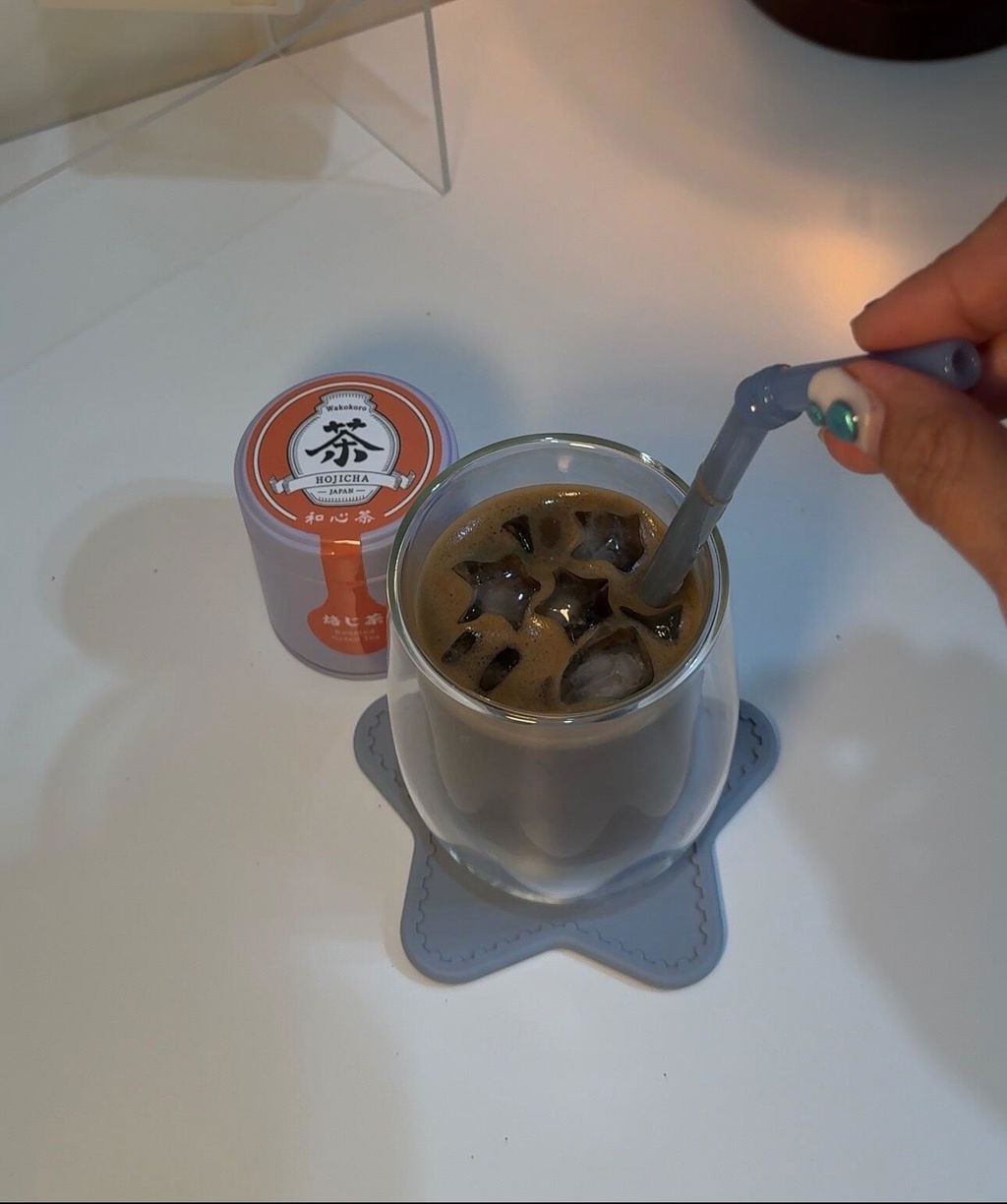
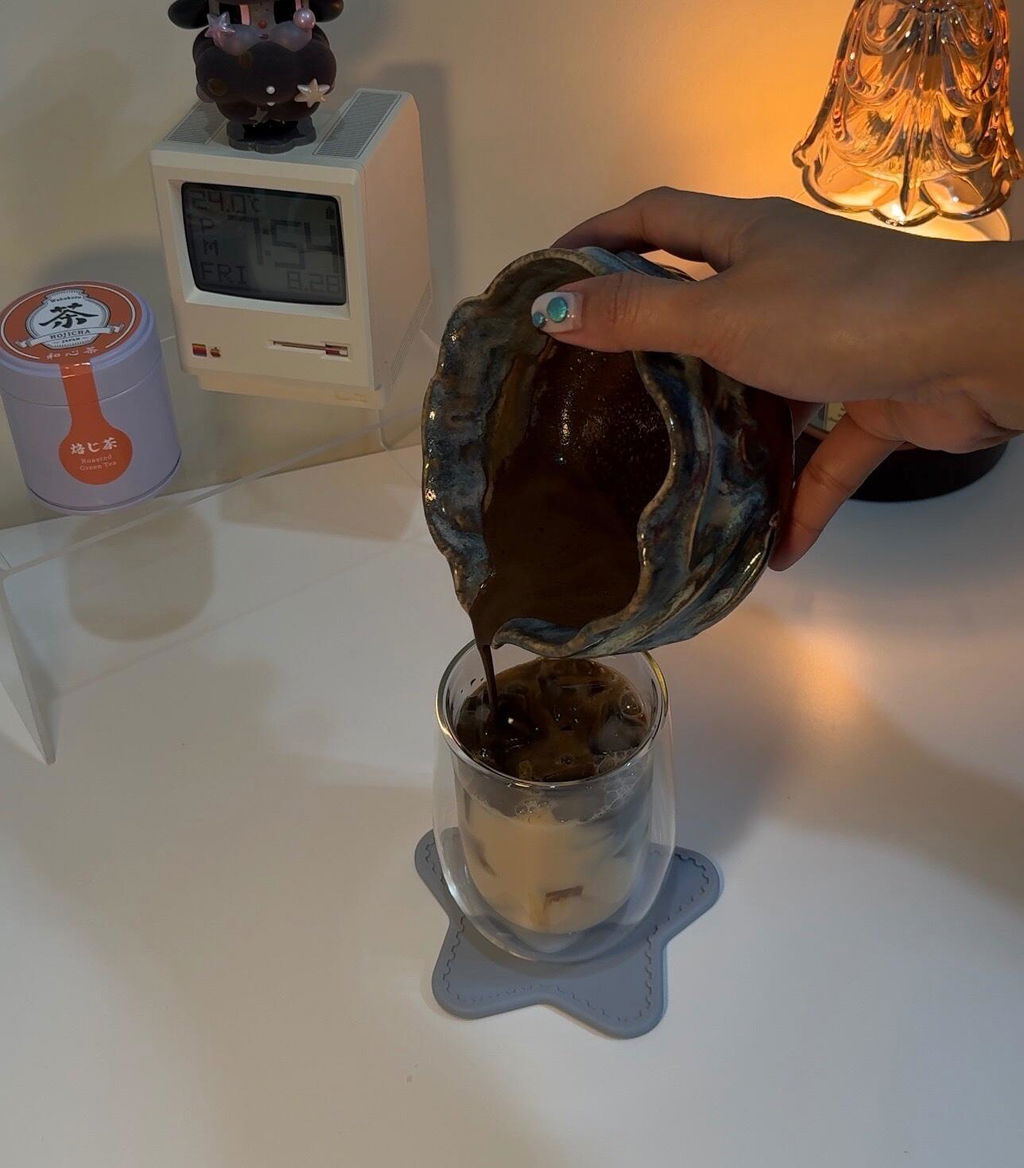
No discussion of cold-weather Japanese tea would be complete without hojicha (roasted green tea). Hojicha is typically made by roasting bancha or kukicha over high heat, transforming the leaves into a reddish-brown tea with a toasty, nutty, almost caramel-like aroma. The roasting process reduces much of the astringency and is also said to lower the caffeine content, which is part of why hojicha is so often enjoyed in the evening and shared with children and elderly family members alike.
On a winter night, few teas feel as nurturing as a warm pot of hojicha. Its comforting fragrance fills the room, and its smooth, mellow taste pairs beautifully with autumn sweets and seasonal meals. For cafes, hojicha also offers wonderful versatility — it shines as a hot brew, makes a fragrant latte, and lends a distinctive roasted note to desserts.
Seasonal Rituals and the Spirit of Comfort
Tea in Japan has always been closely tied to the rhythm of the seasons, an awareness sometimes described through the concept of shun (the ideal moment or seasonality of an ingredient). While spring celebrates freshness and vitality, autumn and winter invite a slower, more reflective kind of enjoyment.
Interestingly, autumn is also the traditional season when matcha (stone-ground powdered green tea) made from the spring harvest reaches full maturity, a moment marked in the tea ceremony world by kuchikiri (the ceremonial opening of the tea jar). This deepening, mellowing quality echoes throughout the cold-season teas as a whole — a sense that flavours have settled and rounded into something soft and consoling.
Pairing Cold-Season Teas with Food
These warming teas are natural partners for the foods of autumn and winter:
- Bancha and hojicha complement grilled fish, simmered root vegetables, and rice dishes.
- Kukicha's gentle sweetness pairs nicely with delicate wagashi (traditional Japanese confections).
- Roasted hojicha stands up well to richer sweets such as chestnut and sweet potato desserts.
Why These Teas Matter for Cafes and Buyers
For cafe owners and wholesale buyers, autumn and winter teas represent an opportunity to broaden a menu beyond the familiar bright greens. Their approachable, comforting profiles appeal to customers who may find first-flush sencha too vegetal or intense. Lower-caffeine options like kukicha and hojicha also meet growing demand for soothing evening beverages, and their affordability relative to premium shaded teas makes them attractive for everyday service. Offering a thoughtfully chosen seasonal selection signals genuine knowledge and care — qualities discerning customers increasingly value.
If you would like to bring the warmth of Japan's autumn and winter teas to your own table or business, the team at Wakokoro Tea would be glad to guide you. We work closely with dedicated growers to source bancha, kukicha, hojicha, and more, and we are always happy to help you find the right teas to carry your customers gently through the colder months. Reach out to us whenever you are ready to taste the quieter side of the Japanese tea year.